
In a recent LinkedIn post, Dan Sherrard-Smith explores the significant shifts in LinkedIn’s content distribution algorithm and offers strategies for professionals to regain reach and connect with their target audience. Sherrard-Smith emphasizes that a decline in impressions is not necessarily a reflection of content quality but a consequence of the platform’s evolving mechanics.
He highlights a fundamental change in how LinkedIn prioritizes content, moving away from a purely engagement-metric-driven approach to one that values context and relevance. Sherrard-Smith explains that the previous algorithm focused heavily on raw numbers, such as likes and comments, without deeply considering the audience’s connection to the content creator. This led to broader, less targeted distribution.
The New Algorithm: Prioritizing Context Over Raw Engagement
The core of Sherrard-Smith’s analysis centers on LinkedIn’s new algorithm’s emphasis on context. He illustrates this with an example: a “Sustainability Consultant” who primarily engages with other consultants might find their content being shown predominantly to peers rather than potential clients.
“The new algorithm prioritises context. If your profile says ‘Sustainability Consultant’ but you mostly engage with other consultants… The algorithm goes ‘This person engages with a lot of other consultants’… And it clusters you with people who seem like you: Other consultants.”
As Dan Sherrard-Smith notes, this algorithmic clustering can lead to a dramatic drop in reach because the content is being distributed to an audience that may not be the ideal client base. This misdirection can result in fewer meaningful interactions, lower impressions, and a decline in lead generation, potentially leading users to believe their content strategy has become ineffective.
Retraining the Algorithm for Buyer Attraction
Sherrard-Smith argues that the solution lies not in abandoning the platform but in actively retraining the algorithm to identify and connect with the right audience. He stresses that professionals need to adapt their engagement and content strategies to align with the new algorithmic priorities.
“What you actually need… You just need to retrain the algorithm to find your buyers, not your buddies.”
According to Sherrard-Smith, this retraining involves a strategic approach to profile optimization and engagement. He suggests that understanding and working with the algorithm’s focus on context is key to overcoming reach challenges.
Key Strategies for Algorithm Adaptation
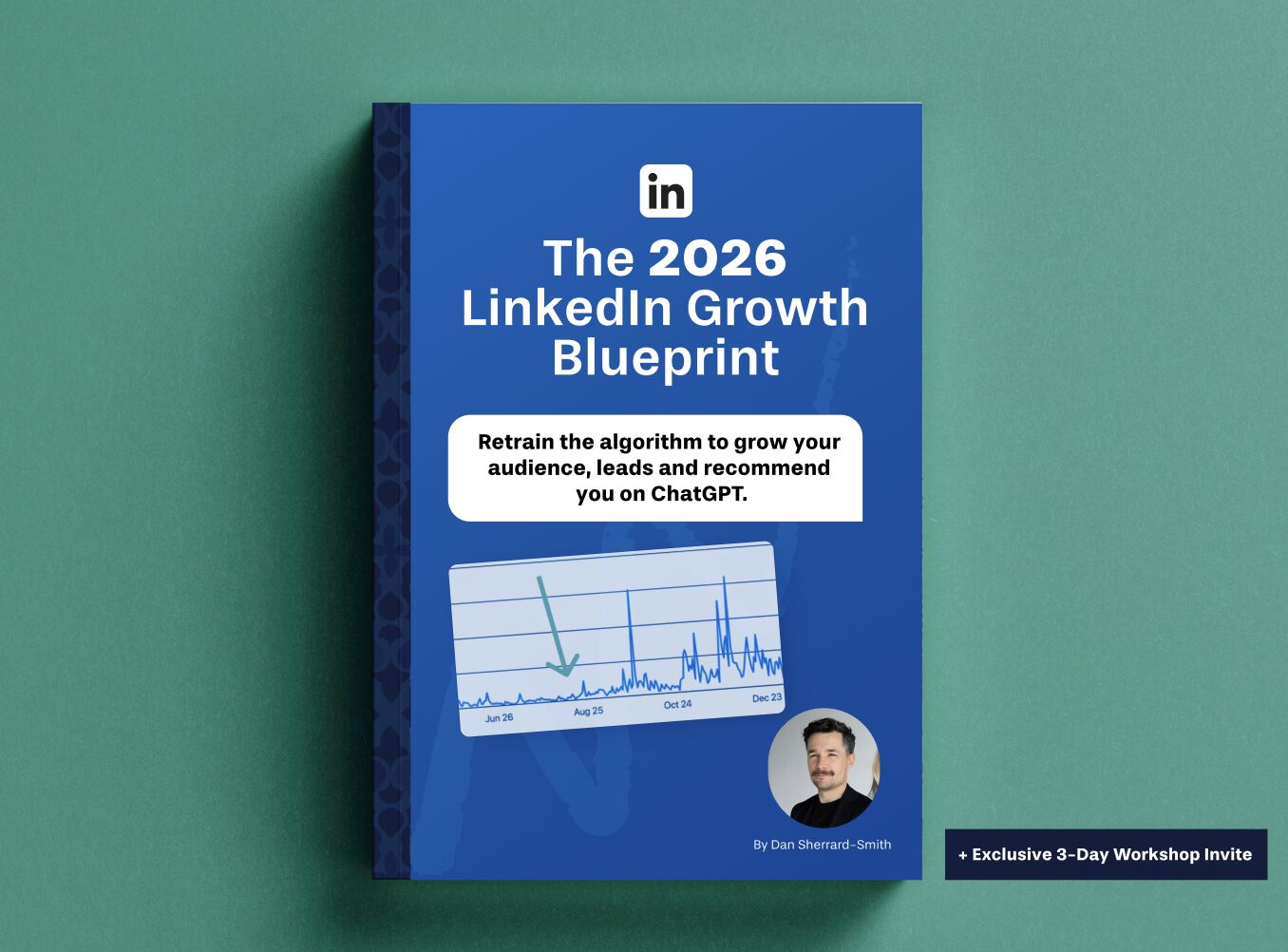
In his post, Dan Sherrard-Smith outlines specific tactics to help users adapt. He mentions a forthcoming guide, the “2026 LinkedIn Growth Blueprint,” which details a 90-day plan to retrain the AI algorithm, optimize profiles to act as landing pages, implement an effective 80/20 rule for engagement, and establish a structured weekly content posting schedule.
“Your impressions didn’t drop because your content got worse. But because LinkedIn completely rebuilt how content gets distributed.”
Sherrard-Smith points out that this shift requires a proactive stance from users. By understanding that the algorithm’s distribution methods have changed, professionals can avoid discouragement and instead focus on refining their approach. He encourages users not to stop posting, but to adjust their strategy to ensure their content reaches the intended audience, ultimately driving better results.
The insights shared by Dan Sherrard-Smith provide a valuable framework for navigating the complexities of LinkedIn’s evolving algorithm, offering a clear path for professionals seeking to enhance their visibility and engagement on the platform.
📝 About This Content
This article is based on insights shared by Dan Sherrard-Smith on LinkedIn.
📅 Originally posted on January 7, 2026 | View original post on LinkedIn →