
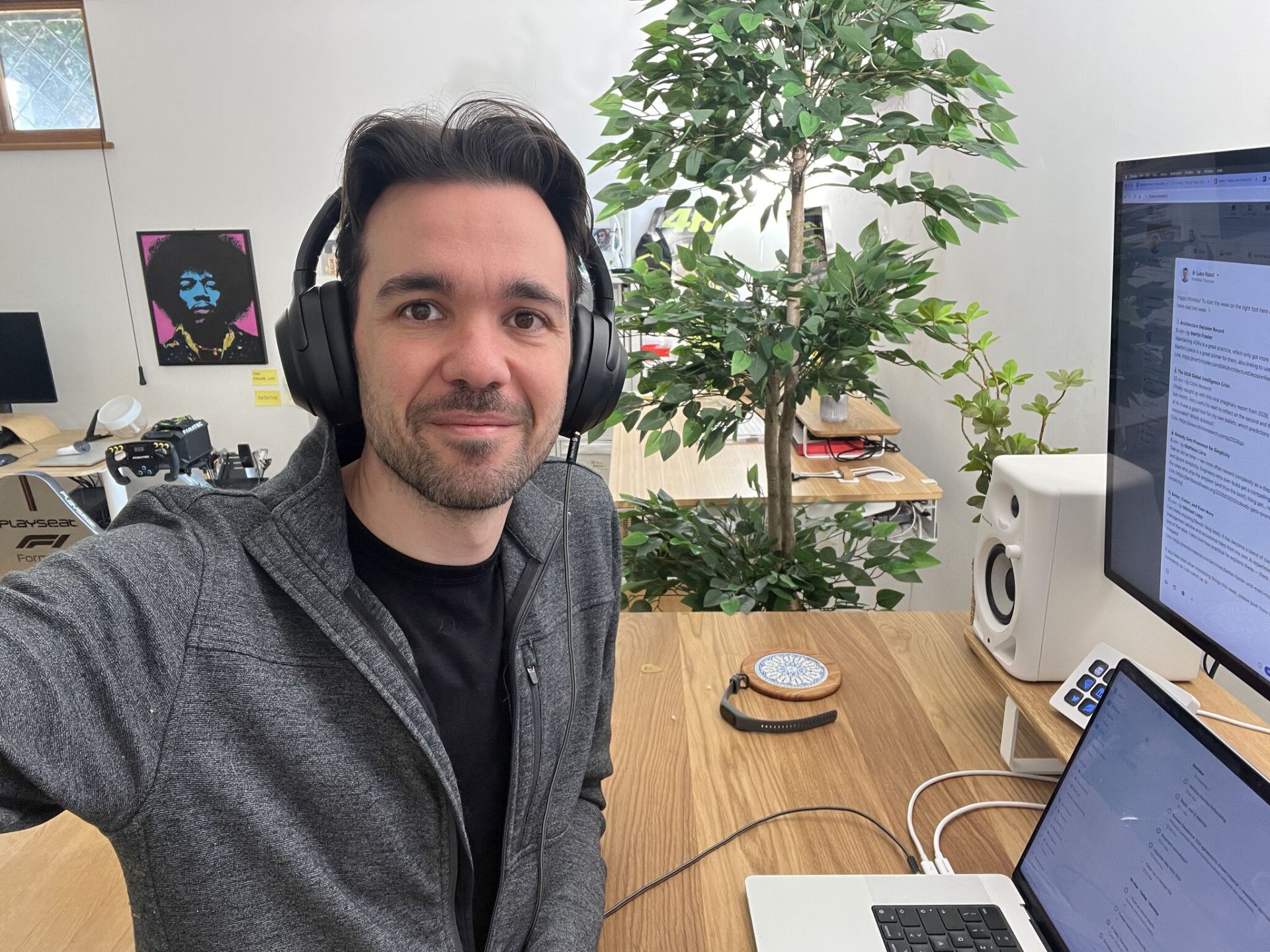
In a recent LinkedIn post, 🌀 Luca Rossi shared a curated list of articles he found particularly insightful during the past week, offering his take on topics ranging from software architecture and artificial intelligence to the perennial challenge of complexity in engineering. Rossi’s selection provides a valuable resource for professionals seeking to stay abreast of current thinking in technology and management.
Among the highlighted pieces, Rossi specifically called out an article on Architecture Decision Records (ADRs) by Martin Fowler. Rossi emphasizes the enduring value of maintaining ADRs, noting their increased relevance in the age of AI.
Maintaining ADRs is a great practice, which only got more useful with AI. Martin’s piece is a great primer for them, also linking to useful tools.
As 🌀 Luca Rossi suggests, this practical approach to documenting architectural choices is becoming even more critical, especially as AI tools begin to permeate software development workflows. The inclusion of links to relevant tools further underscores the actionable nature of Fowler’s work, as presented by Rossi.
Reflections on Artificial Intelligence and Future Scenarios
Rossi also drew attention to a piece titled “The 2028 Global Intelligence Crisis” by Citrini Research. This article, presented as an “imaginary report from 2028,” served as a prompt for Rossi to reflect on the long-term implications of artificial intelligence.
I finally caught up with this viral imaginary report from 2028, that was published last month. Very useful to read to reflect on the second and third order effects of AI. It was a good test for my own beliefs: which predictions do I find reasonable? Which dubious?
According to 🌀 Luca Rossi, engaging with such forward-looking, albeit speculative, content is crucial for testing one’s own assumptions and understanding the potential ripple effects of current technological advancements. This exercise, as Rossi frames it, helps in discerning plausible future scenarios from less likely ones.
The Challenge of Rewarding Simplicity in Engineering
A significant portion of Rossi’s post addresses the tendency within engineering cultures to overvalue complexity. He highlighted Matheus Lima’s article, “Nobody Gets Promoted for Simplicity,” which critiques the common practice of rewarding intricate solutions over elegant, simple ones.
Tale as old as time: we reward complexity as a display of brilliance, and most often ignore simplicity. Engineers who over-build get a compelling narrative, while the ones who ship the simple thing get… nothing.
🌀 Luca Rossi echoes the sentiment that this dynamic often leads to engineers being recognized for building complex systems, while those who achieve the same results through simpler, more efficient means are overlooked. This observation points to a potential cultural bias in performance evaluation within technical fields, where perceived difficulty or innovation might be prioritized over pragmatic simplicity.
Practical Insights from Management and AI Experiments
Finally, Rossi included Michael Lopp’s (Rands) article, “Better, Faster, and Even More,” noting its blend of classic management advice with personal anecdotes from Lopp’s AI experiments.
I am really enjoying Rands’ blog lately. It has become a blend of classic Rands’ management advice and tales from his own AI experiments. This is one of the latter. I also love how practical these are — there are code snippets!
Rossi appreciates the practical, hands-on nature of Lopp’s writing, particularly the inclusion of code snippets, which makes the insights directly applicable. This recommendation highlights the value of combining established management principles with real-world explorations of emerging technologies like AI. Rossi concluded his post by inviting his network to share other interesting articles they had read, fostering a community dialogue around continuous learning.
📝 About This Content
This article is based on insights shared by 🌀 Luca Rossi on LinkedIn.
📅 Originally posted on March 30, 2026 | View original post on LinkedIn →