
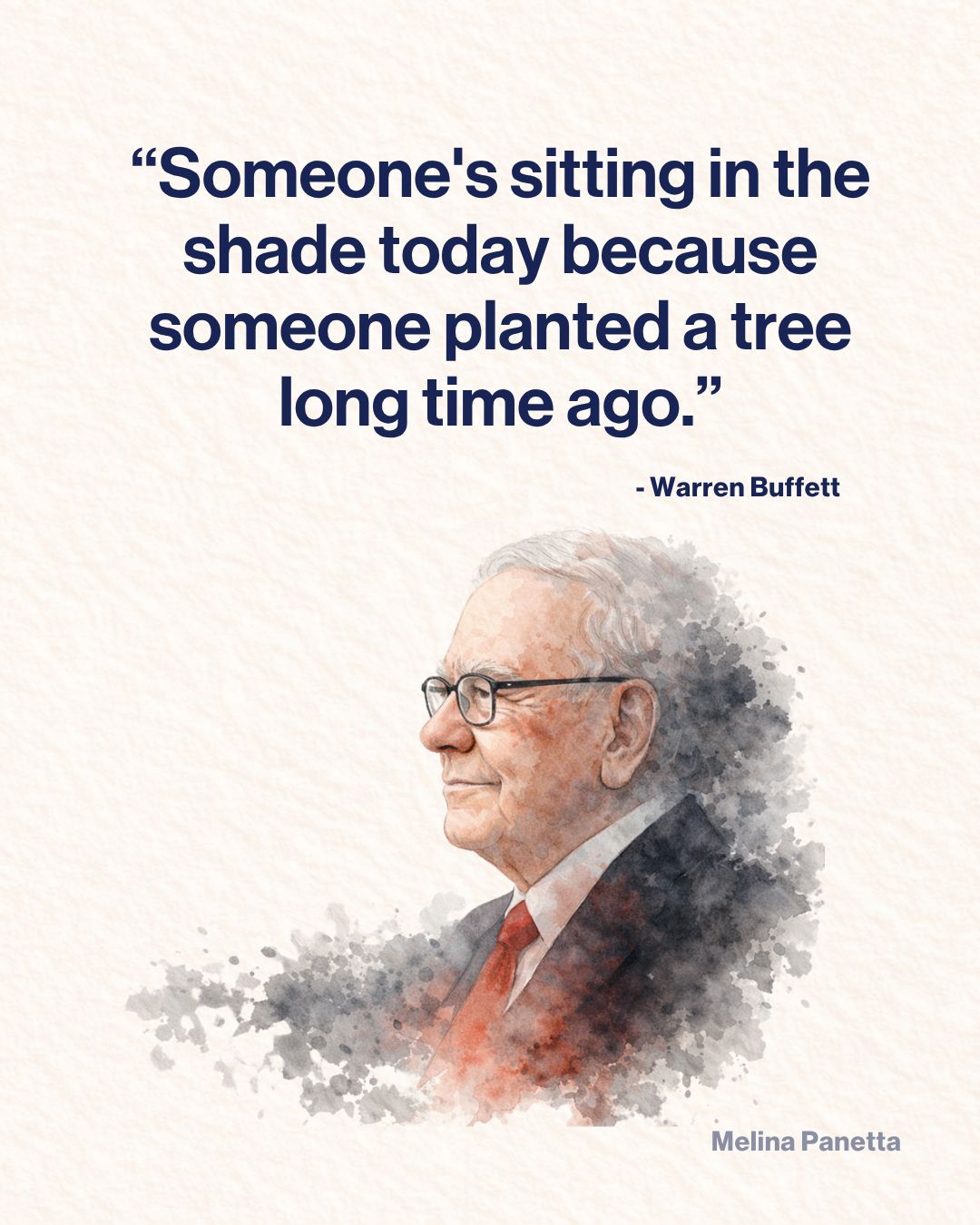
In a recent LinkedIn post, Melina Panetta explores the often-overlooked journey of wealth accumulation and career transition, using Warren Buffett’s success as a parallel for senior leaders. Panetta challenges the common narrative around Buffett’s late-career wealth, emphasizing the decades of compounding that preceded his widely cited achievements.
Panetta argues that many senior professionals possess a significant, undervalued asset: years of accumulated pattern recognition and expertise within their current roles. This, she suggests, is often more valuable than their current salary might indicate.
“Your title was rented. Your judgment was always yours.”
According to Panetta, the critical mistake many senior leaders make is assuming their expertise is automatically transferable or recognized outside their current corporate structure. She points out that this deep-seated knowledge is not inherently packaged or marketed, leading to missed opportunities for future ventures.
The Hidden Asset: Decades of Pattern Recognition
Melina Panetta highlights that the core of an individual’s value often lies in the consistent application of their skills over time. This is particularly true for those who have spent years in senior roles, developing a sophisticated understanding of their industry.
“You’re sitting on 20 years of pattern recognition your company has been invoicing at 10x your salary. That’s the asset.”
Panetta contends that this pattern recognition is the true asset, far more durable than a rented title. The challenge, as she sees it, is that most senior leaders fail to recognize, package, and leverage this expertise proactively.
Transitioning Before Necessity
A key theme in Panetta’s post is the importance of starting the transition to advisory or independent work well in advance of leaving a primary role. She advises against waiting until retirement or departure to build a new path.
“The ones who build advisory businesses don’t start after they leave. They start 6-12 months before.”
Panetta suggests a gradual, low-key approach, dedicating a few hours a week to building relationships and having conversations with individuals who already trust their judgment. This pre-emptive strategy, she argues, allows for the securement of clients who value the leader’s established expertise, providing a financial runway for the new venture.
The Power of Consistency and Curiosity
Panetta draws a parallel between Buffett’s approach and the potential for senior leaders. She emphasizes that significant achievements are the result of consistent effort and a foundational build-up, rather than sudden success.
“Buffett didn’t wake up famous. He woke up curious, consistent, and building something nobody else could see yet.”
In Panetta’s view, the current role, rather than being an obstacle, serves as a crucial ‘runway’ that funds the development of future endeavors. She encourages leaders to recognize that their expertise is already developed and simply needs to be intentionally ‘aimed’ towards new opportunities. The transition, she concludes, is about building the version of one’s career that is truly their own, funded by the runway of their current position and built upon a bedrock of proven experience.
📝 About This Content
This article is based on insights shared by Melina Panetta on LinkedIn.
📅 Originally posted on April 13, 2026 | View original post on LinkedIn →