
In a recent LinkedIn post, Melissa Perri discusses a common pitfall in growing companies: the accidental monopolization of customer understanding by research teams. Perri, a prominent voice in product management and strategy, highlights how an over-reliance on a dedicated research function can inadvertently create bottlenecks, hindering broader organizational learning.
Perri outlines a pattern observed in many companies where a strong research team becomes so adept at customer interaction that other departments cease their direct engagement. This centralization, she argues, transforms the research function into a queue rather than an enabler of widespread insight.
“I’ve seen this pattern at companies with strong research teams: they become so good at customer work that they accidentally become the gatekeeper for customer understanding. Other teams stop reaching out. PMs stop running their own conversations. The research function becomes a queue.”
The Bottleneck Effect of Centralized Research
The core of Perri’s argument centers on the unintended consequences of a highly specialized and effective research team. When other product managers, designers, and even executives stop engaging directly with customers, they lose a vital, visceral understanding of user needs and pain points. This reliance on a single team for all customer insights can lead to a disconnect between the people building the product and the people using it.
As Perri points out, this scenario is counterproductive to the very goals of customer research. The research team, intended to foster understanding across the organization, instead becomes a limiting factor.
Operationalizing Customer Understanding for Scalability
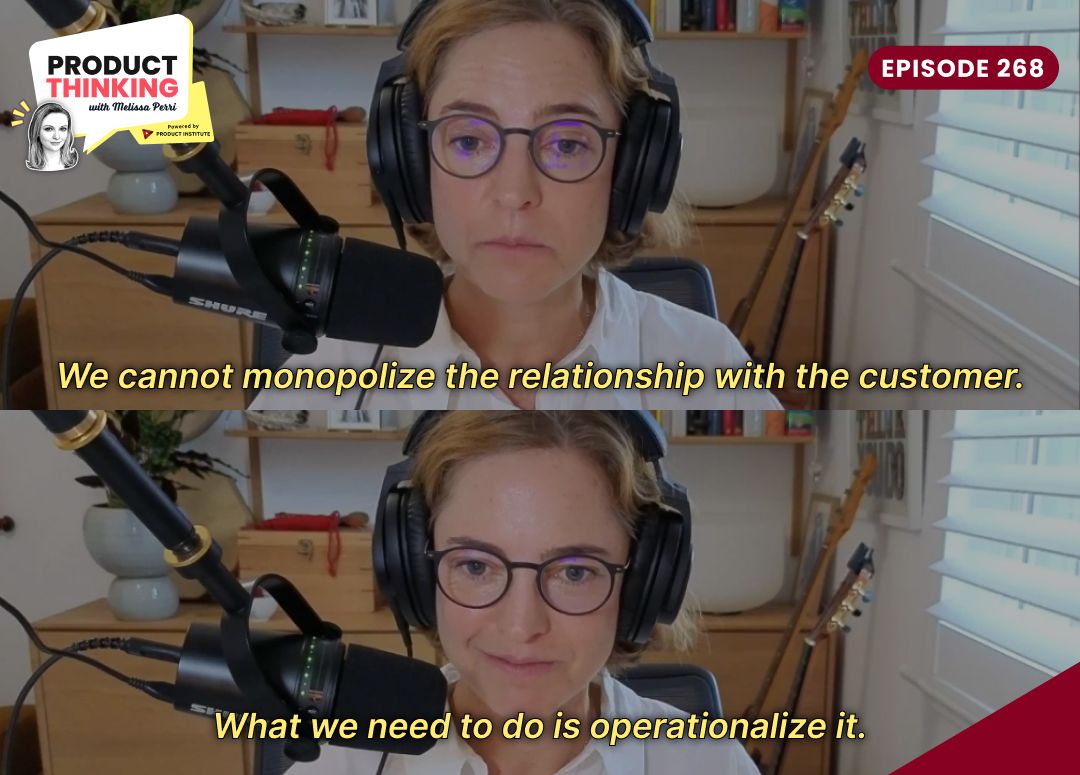
To combat this, Perri advocates for a shift from monopolizing customer relationships to operationalizing them. She references Kate Towsey, who stated on a recent podcast compilation:
“We cannot monopolize the relationship with the customer. What we need to do is operationalize it.”
This operationalization, according to Perri, involves establishing robust systems, templates, and quality standards that empower various teams within the company to conduct their own customer interactions effectively and responsibly. This approach ensures that customer insights are not confined to a single department but are distributed and integrated throughout the organization.
Building Systems for Widespread Engagement
Perri suggests that building these scalable systems is the key differentiator between a research function that grows with the company and one that becomes a drag on innovation and product development. By providing the tools and frameworks for others to engage with customers, the organization can foster a more pervasive customer-centric culture.
This strategy allows for continuous learning and adaptation, ensuring that the company remains responsive to customer needs as it scales. As Perri implies, the goal is to democratize customer understanding, making it an accessible and integral part of everyone’s role, not just the researchers’.
Perri concludes by posing a critical question to her audience, prompting reflection on their own organizations:
“Where in your company has customer access quietly turned into a bottleneck?”
Her insights, shared on LinkedIn, underscore the importance of strategic thinking around how customer insights are gathered and disseminated within a business to ensure sustainable growth and product-market fit.
📝 About This Content
This article is based on insights shared by Melissa Perri on LinkedIn.
📅 Originally posted on May 15, 2026 | View original post on LinkedIn →