
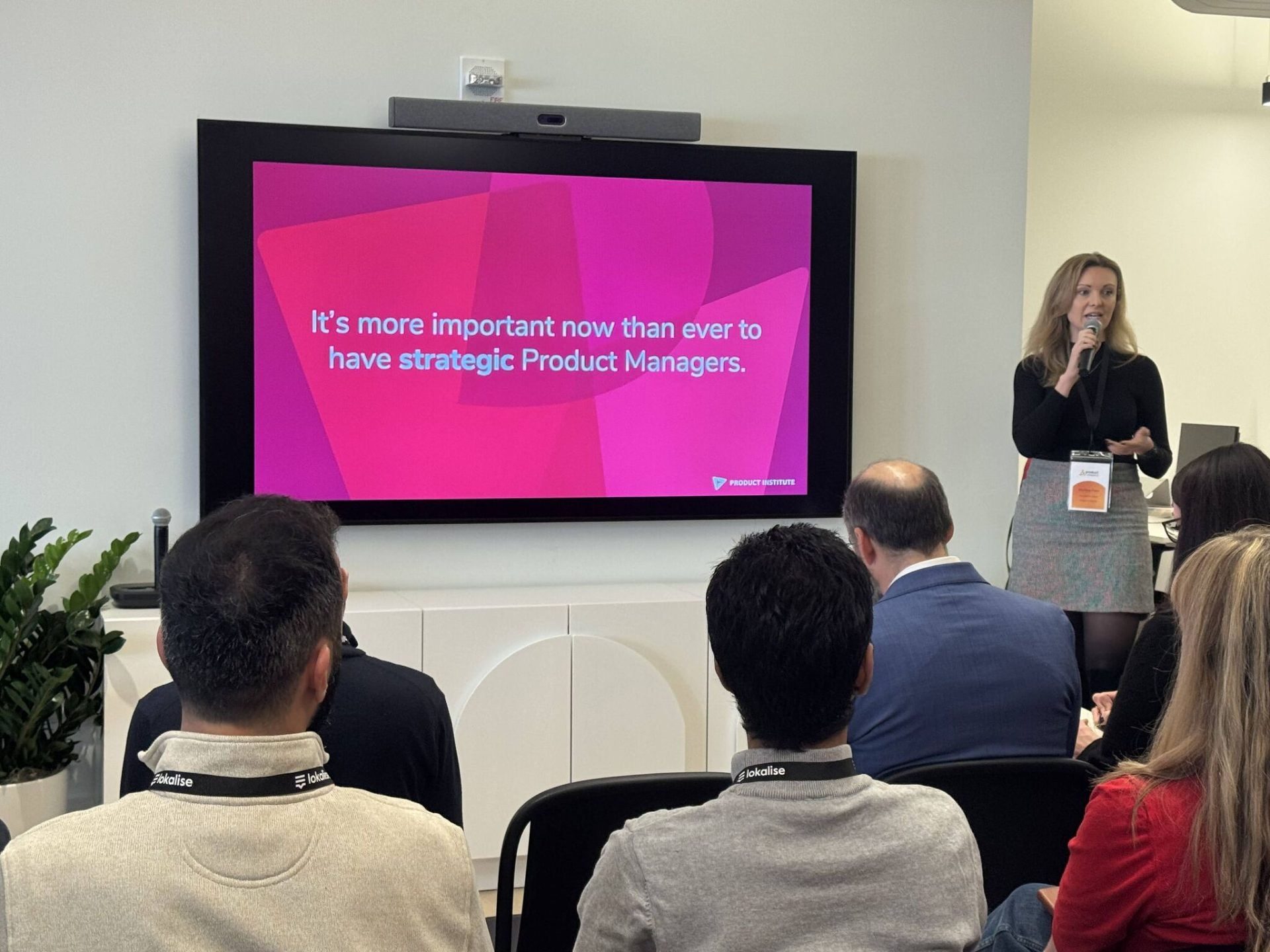
In a recent LinkedIn post, product management expert Melissa Perri discusses how the current excitement around Artificial Intelligence (AI) is exacerbating a long-standing problem in the tech industry: the “AI Build Trap.” Perri argues that instead of solving fundamental issues in product development, AI is making it easier for companies to produce ineffective software at an unprecedented scale.
Perri, author of “Escaping the Build Trap,” observed that the same flawed practices she identified years ago are resurfacing, now with an AI gloss. She highlighted the concerning trend of teams remaining fixated on producing outputs rather than achieving meaningful outcomes.
“Teams remain focused on outputs rather than outcomes. AI gives them superpowers to build the wrong things at scale.”
The Resurgence of the Build Trap
Perri explained that the core issue predates AI. In her 2018 work, she detailed how companies were often stuck building features without a deep understanding of customer problems. This fundamental disconnect, she contends, is now being amplified by AI.
“Back then, companies were stuck building features without understanding customer problems. Today they’re doing the exact same thing, just faster and with shinier AI labels,” Perri stated in her post. This rapid production of what she terms “useless software” is a direct consequence of not addressing the foundational strategic thinking required in product management.
Outputs Over Outcomes
A key concern Perri raises is the continued emphasis on delivering features (outputs) rather than solving customer problems or achieving business goals (outcomes). AI, in her view, is a powerful tool that, when misapplied, accelerates the creation of non-solutions.
“They’re automating poor processes and slapping ‘AI-powered’ on solutions that solve non-existent problems rather than taking time to validate assumptions and understand real user needs.”
This suggests that organizations are leveraging AI to enhance existing inefficient or misdirected processes, rather than using it to fundamentally improve how they identify and solve genuine user needs. The allure of AI capabilities can overshadow the critical need for strategic validation and customer-centricity.
The Primacy of Strategic Thinking
Perri’s central thesis is that technology, including AI, is secondary to the underlying strategic mindset within an organization. Without a solid foundation in understanding customer problems and aligning product development with desired outcomes, AI becomes a tool for amplifying existing inefficiencies.
“The build trap has always been about mindset, not technology. If you haven’t fixed your strategic thinking, AI will amplify your existing problems exponentially.”
She emphasized that addressing the “build trap” requires a shift in how product teams approach their work, focusing on validated learning and genuine problem-solving rather than simply shipping code. AI, she implies, should be a tool to help achieve validated outcomes, not a justification for building more features faster.
Perri’s insights, shared at Product Weekend NYC, serve as a critical reminder for leaders navigating the complexities of AI adoption. The focus must remain on strategic product management principles to ensure that new technologies genuinely serve customer needs and business objectives, rather than simply accelerating the creation of the wrong things.
📝 About This Content
This article is based on insights shared by Melissa Perri on LinkedIn.
📅 Originally posted on November 18, 2025 | View original post on LinkedIn →