
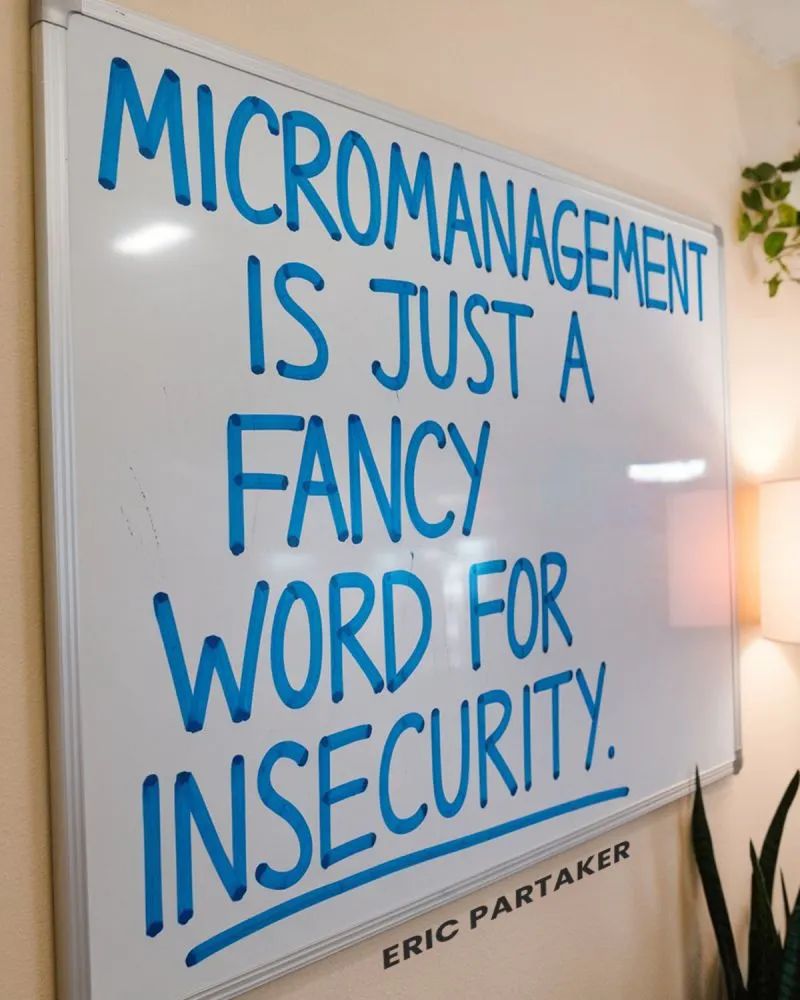
In a recent LinkedIn post, Eric Partaker discusses the detrimental effects of micromanagement on team motivation and leadership effectiveness. Partaker argues that what is often perceived as diligent oversight is, in reality, a manifestation of fear that undermines genuine leadership.
“Micromanagement is the fastest way to kill motivation,” Partaker states in his post. “It’s not leadership. It’s fear in disguise.” This assertion sets the stage for a broader critique of how poor leadership practices can stifle growth within an organization.
The True Cost of Hovering
Partaker elaborates on the negative consequences of micromanagement, outlining how it actively harms team dynamics and productivity. He contends that leaders who micromanage often believe they are being helpful, but their actions have the opposite effect.
According to Partaker, the key impacts of micromanagement include:
- Stifling Creativity: “Teams can’t innovate when they’re constantly second-guessed,” he points out. This environment discourages new ideas and experimentation, essential components for business growth.
- Breeding Dependence: When employees require approval for every decision, they cease to develop their own problem-solving skills. Partaker notes that this “breeds dependence,” hindering the team’s ability to operate autonomously.
- Wasting Time: The constant need for oversight is not only distracting for the team but also for the manager. Partaker highlights that “endless hovering distracts everyone (including you),” leading to significant inefficiencies.
- Creating Resentment: Ultimately, Partaker argues, micromanagement fosters a negative work environment. “Nobody thrives under a helicopter boss,” he asserts, indicating that such practices lead to dissatisfaction and disengagement.
Empowerment as the Path to Control
Shifting from a micromanaging approach, Partaker advocates for empowerment as the more effective leadership strategy. He suggests that empowering a team does not equate to losing control, but rather gaining it through enhanced trust and autonomy.
“Great leaders hire great people. Then help them thrive,” Partaker writes. This philosophy underscores the idea that effective leadership involves fostering an environment where talented individuals can perform at their best. The leader’s role, in Partaker’s view, is to facilitate this success.
“Your job? Remove obstacles, not become one.”
This concise statement encapsulates Partaker’s vision of leadership: a supportive role focused on enabling the team, rather than being a bottleneck. By removing impediments, leaders allow their teams to move forward efficiently and effectively, fostering a culture of trust and high performance.
Partaker concludes by encouraging his network to share the post if they agree and to follow him for more insights on empowering leadership. He also promotes a free live training session on working with a board to accelerate growth, scheduled for November 13th.
📝 About This Content
This article is based on insights shared by Eric Partaker on LinkedIn.
📅 Originally posted on November 12, 2025 | View original post on LinkedIn →