
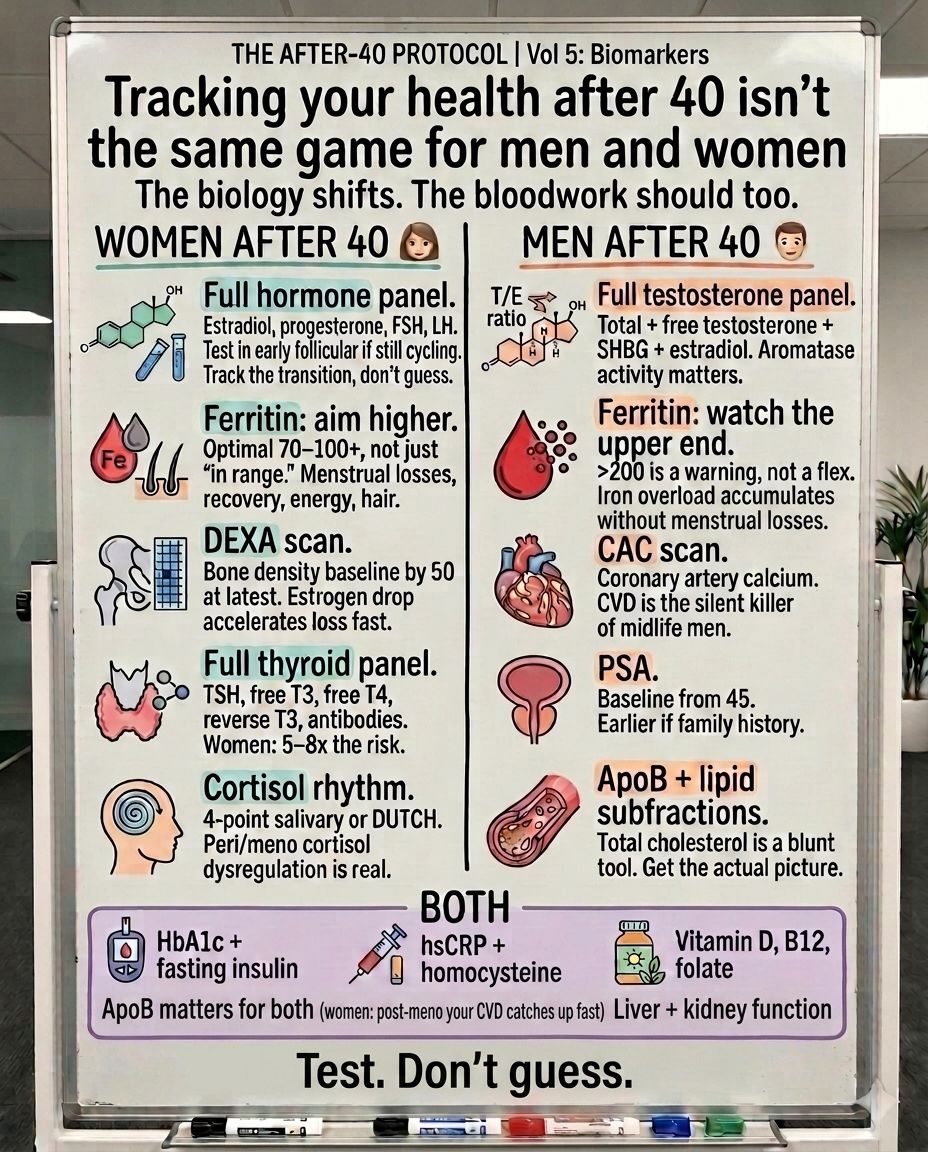
In a recent LinkedIn post, Liz Bradford explores the critical disconnect between how women, particularly those experiencing perimenopause, feel and what standard medical check-ups measure. Bradford, a health advocate, highlights that many women are not taken seriously during their first perimenopause consultations, often being dismissed with explanations like stress or anxiety, despite experiencing significant symptoms such as fatigue and brain fog.
Bradford points out a systemic issue within routine medical assessments. “Most annual physicals were built to catch disease, not optimise function. They tell you if you’re sick, not if you’re thriving,” she writes. This, according to Bradford, leaves a significant gap in understanding and addressing the nuanced health changes that occur after age 40.
The Limitations of Standard Health Panels
Bradford argues that conventional medical panels often fail to capture the hormonal and metabolic shifts characteristic of midlife. She elaborates on specific markers that are frequently overlooked:
- Thyroid Function: While many doctors only check TSH, Bradford emphasizes that T3, reverse T3, and antibody tests are crucial for a complete picture.
- Iron Levels: She notes that a “low normal” ferritin level can still significantly impact energy, hair health, and recovery.
- Cholesterol Metrics: For men, Bradford states that total cholesterol is an insufficient indicator of cardiovascular risk, advocating for ApoB testing to assess actual particle count.
- Metabolic Health: She stresses the importance of tracking fasting insulin and HbA1c alongside glucose to avoid flying blind on metabolic health.
“After 40, the gap between ‘not sick’ and ‘feeling good’ gets enormous,” Bradford observes, illustrating the widening disparity between basic health status and optimal well-being. She asserts that without measuring these specific markers, individuals are unable to effectively address their health through training, nutrition, supplements, or sleep optimization.
Taking Proactive Steps for Midlife Health
Bradford encourages individuals to take a more proactive role in their health assessments. She advises readers to identify three markers that resonate with their current bodily experiences and to ask their doctors for these specific tests by name.
Navigating Doctor’s Appointments
When doctors are hesitant to order these tests, Bradford suggests seeking out private clinics. “The cost is less than a year of guessing,” she contends, framing the investment in accurate diagnostics as a practical solution to prolonged uncertainty and suboptimal health. She reinforces that an annual physical should be viewed as a starting point, not a definitive conclusion about one’s health status.
Bradford’s insights, shared on LinkedIn, aim to empower individuals, particularly women navigating perimenopause and general midlife health changes, to seek more comprehensive and personalized health evaluations. She concludes by noting that her upcoming content will delve into stress and the nervous system, further building on the foundational health discussions.
📝 About This Content
This article is based on insights shared by Liz Bradford on LinkedIn.
📅 Originally posted on May 27, 2026 | View original post on LinkedIn →