
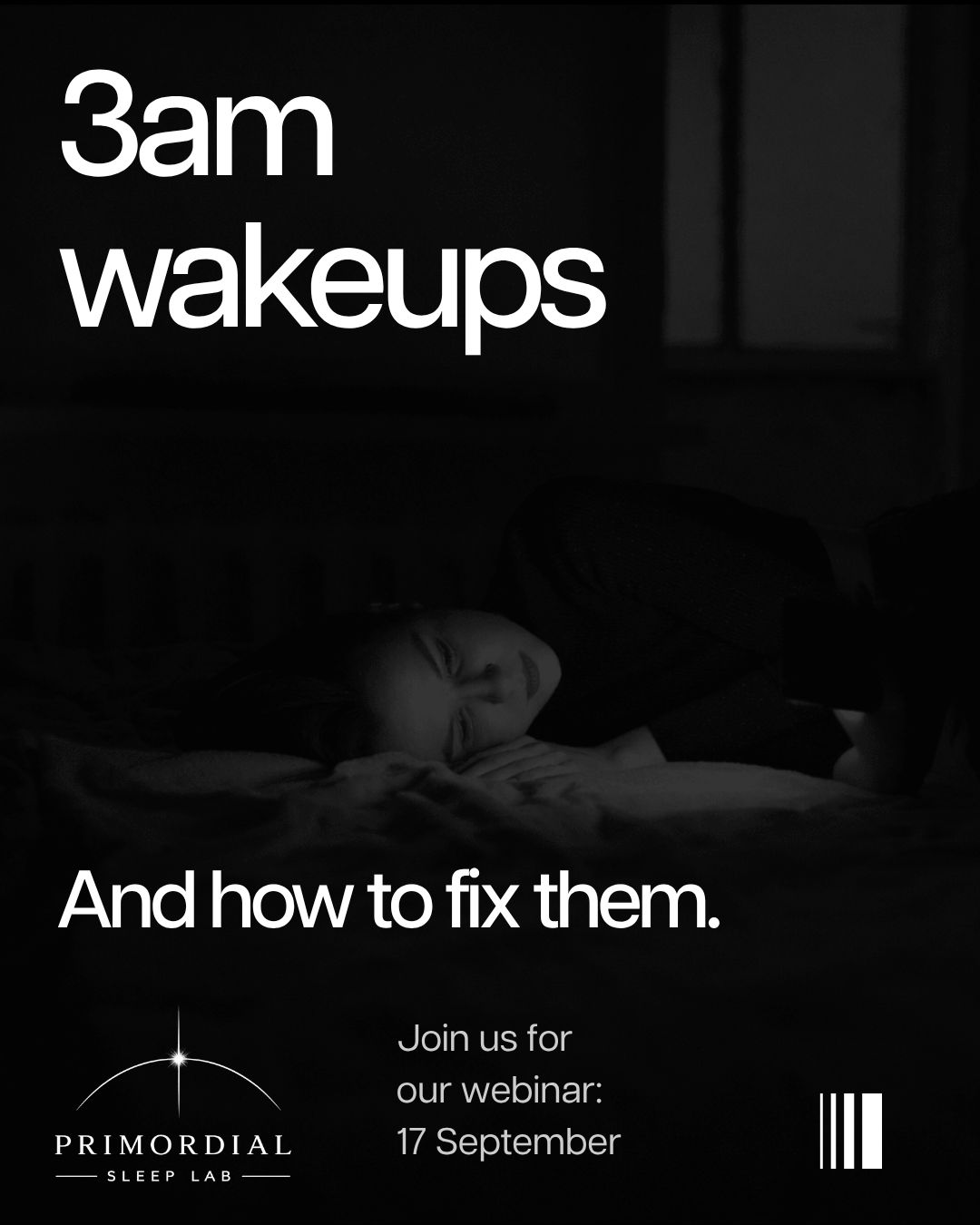
In a recent LinkedIn post, Liz Bradford delves into the common experience of waking up in the middle of the night, particularly for those in midlife, offering a biological explanation and practical advice. Bradford challenges the notion that waking itself is the problem, asserting instead that the subsequent actions taken during these awakenings are the primary disruptors of restful sleep.
Bradford begins by normalizing the experience of nocturnal awakenings, explaining that brief awakenings are a natural part of the sleep cycle. She states:
“Sleep runs in cycles of roughly 90 minutes, and you surface briefly at the end of each one. Four or five times a night. That’s the design.”
The core issue, according to Bradford, lies not in the waking itself, but in what happens immediately afterward, especially during the second half of the night. She highlights the physiological changes that occur during midlife that contribute to this phenomenon.
The Biological Hurdles of Midlife Sleep
Bradford explains that the latter half of the night becomes more fragile due to hormonal shifts and the natural progression of sleep stages. She notes that deep sleep is concentrated in the earlier part of the night, meaning by around 3 AM, individuals are in lighter sleep stages. This is compounded by rising cortisol levels and the decline of progesterone, a hormone crucial for calming the body.
This combination of factors – lighter sleep, increased cortisol, and reduced calming hormones – makes waking more likely. Bradford points out the findings from the Study of Women’s Health Across the Nation, which indicated that waking during the night was reported more frequently than difficulty falling asleep among women transitioning through menopause.
“Waking in the night came up more often than trouble falling asleep. It’s the staying-asleep half that goes first.”
This biological reality, Bradford argues, is why generic sleep advice often proves ineffective. The struggle isn’t about initiating sleep, but about returning to it after being woken by internal biological cues.
The Real Sleep Wreckers: Anxiety and Misinformation
The critical moment, as described by Bradford, occurs when an individual wakes up, checks the clock, and begins to worry about lost sleep and the impact on the upcoming day. This mental activity, often involving calculating remaining sleep time and anticipating work responsibilities, is what truly ends the night’s rest.
Bradford suggests that this anxiety-driven response is more detrimental than the waking itself. She writes:
“You open your eyes. You look at the clock. Four hours and eleven minutes. You start doing the maths on tomorrow’s meetings. And that’s the moment the night’s actually over. Not the waking. The maths.”
Strategies for a Better Second Half of Sleep
To combat these midlife sleep challenges, Bradford recommends three key pre-sleep adjustments that can influence the latter half of the night:
- Limit Alcohol Intake: Ensure the last drink is consumed at least four hours before bed. Alcohol may aid in falling asleep initially but fragments sleep as it metabolizes.
- Prioritize Protein at Dinner: Opt for protein over a late-night sugary snack. A dip in blood sugar in the early morning hours can trigger an adrenaline response, leading to wakefulness.
- Optimize Bedroom Temperature: Maintain a cool bedroom environment, ideally between 17-19°C (63-66°F). Thermoregulation is often disrupted during the night in midlife.
Furthermore, Bradford advises against looking at the clock upon waking. She shares her personal strategy of moving her clock across the room and behind a blackout curtain to minimize the temptation to check the time.
Ultimately, Bradford’s message is one of reassurance: individuals experiencing these sleep disturbances are not fundamentally ‘broken sleepers.’ Instead, they are navigating a more challenging second half of the night due to biological changes. Her insights offer a nuanced understanding and actionable strategies for those grappling with midlife sleep issues.
📝 About This Content
This article is based on insights shared by Liz Bradford on LinkedIn.
📅 Originally posted on September 14, 2026 | View original post on LinkedIn →