
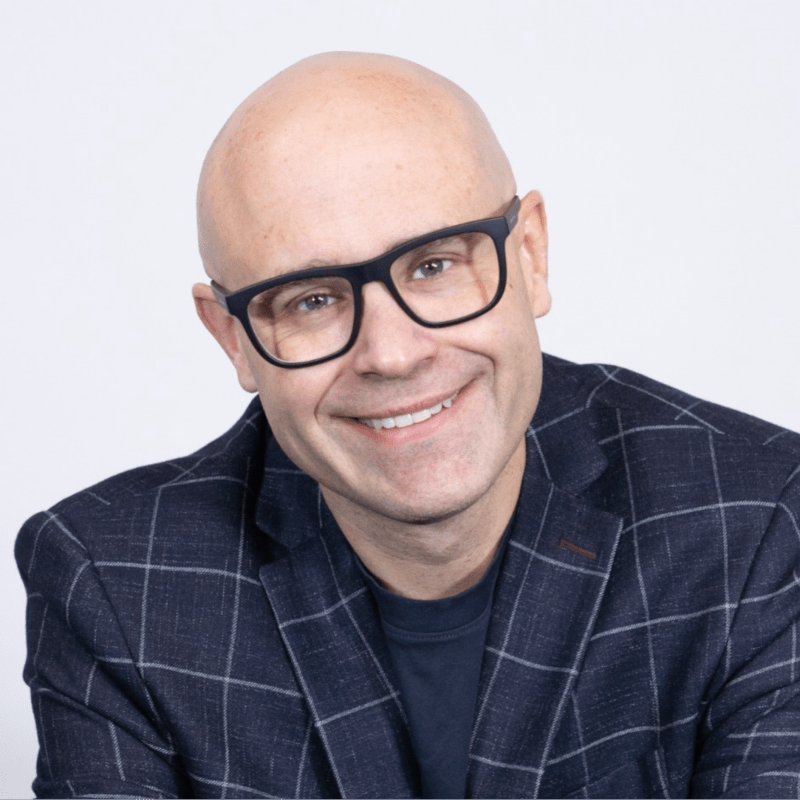
In a recent LinkedIn post, Mark Firth delves into the nuances of content originality and the practice of adapting questions originally posed by others. Firth initiated the discussion after sharing a question he had encountered elsewhere, which prompted comments from users who recognized its prior existence. He clarifies that his intention was not to present an original insight, but rather to solicit genuine responses from his audience, many of whom might not have seen the original query.
Firth highlights the nature of his post, stating:
Yesterday I posted something I had already seen somewhere else..
It wasn’t an opinion or insight
It was just a question and I tweaked it
Because I was genuinely interested in the answers
And I assumed most my audience weren’t glued to social media
Meaning that wouldn’t have seen it
The Ethics of Adapting Questions
The core of Firth’s post revolves around a critical question: when is it permissible to adapt or model questions that have already been posed? He differentiates between questions and longer-form content like stories and posts, suggesting that the former might operate under different attribution rules.
As Mark Firth points out:
So here’s my question
When is it ok to tweak and model questions?
Are they different to longer stories and posts?
This exploration into content adaptation is particularly relevant in today’s digital landscape, where ideas can spread rapidly. Firth’s inquiry touches upon the balance between building upon existing conversations and ensuring proper credit is given. He acknowledges that while his approach sometimes faces minor negativity, it has also led to valuable discussions.
Attribution Challenges in a Collaborative Environment
Firth further probes the complexities of attribution when multiple individuals may have already shared or adapted a similar question. This scenario presents a challenge in acknowledging the origin of an idea, especially when the concept has become somewhat generalized.
According to Firth:
And how do you attribute if more than one person did it already ?
He frames these explorations as part of ongoing experiments to try new approaches. Firth indicates a willingness to continue testing these methods, suggesting that the digital space is ripe for such iterative learning and adaptation.
In conclusion, Mark Firth’s LinkedIn post serves as a thoughtful prompt for the community to consider the ethical and practical aspects of content sharing and adaptation, particularly concerning questions that spark engagement. His experimental approach underscores a desire to understand best practices in a dynamic online environment.
📝 About This Content
This article is based on insights shared by Mark Firth on LinkedIn.
📅 Originally posted on December 31, 2025 | View original post on LinkedIn →