
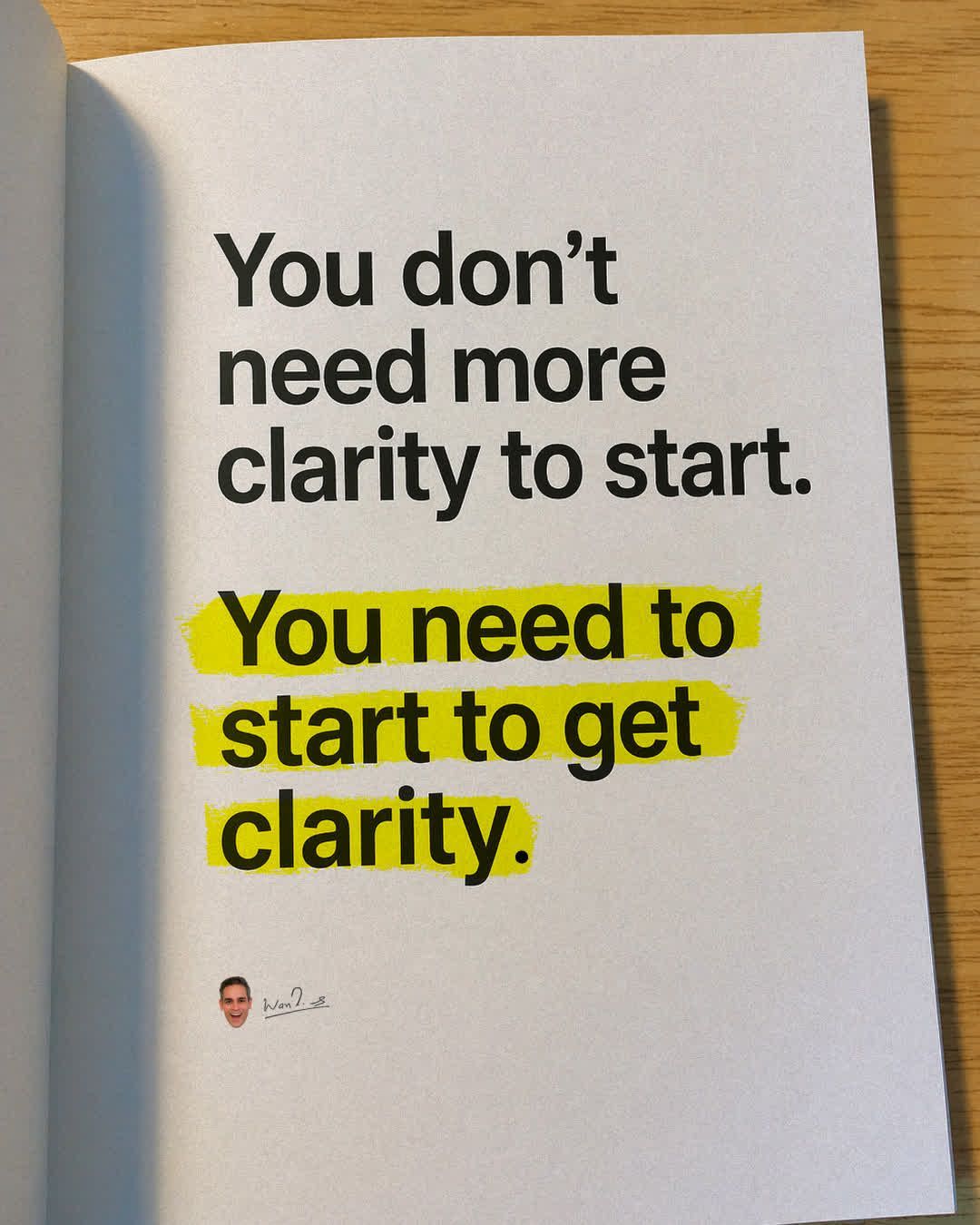
In a recent LinkedIn post, Ankur Warikoo discusses the pervasive challenge of decision paralysis, particularly for individuals struggling to define their career paths. Warikoo highlights a common paradox where an abundance of choices can lead to confusion rather than clarity, a situation he observed in a mentee who had spent four years attempting to find direction without success.
The entrepreneur and investor points out that his mentee, despite not being lazy and possessing significant intelligence, was caught in this trap. Warikoo frames this as a critical issue, questioning the nature of freedom when it leads to a lack of direction.
“More options mean more confusion, not more clarity. With every path open to us, we are more confused than ever.”
The Paradox of Choice and Its Impact
Warikoo delves into the psychological impact of having too many options. He suggests that the very freedom to choose can become a source of anxiety and indecision. This phenomenon, often termed the ‘paradox of choice,’ can leave individuals feeling overwhelmed and unable to commit to a course of action. His mentee’s experience, involving attempts at freelancing, building an online presence, pursuing further education, and applying for unsuitable jobs, exemplifies this struggle.
Warikoo’s Framework for Decision-Making
To combat this, Ankur Warikoo shares three practical strategies that have personally aided him. These are designed to move individuals from a state of contemplation to decisive action.
1. Setting Decision Deadlines
The first strategy emphasizes the importance of timeboxing the decision-making process. Warikoo advises setting a firm deadline for contemplation. As he notes:
“Your contemplation expands to fit the time you give it. When the deadline arrives, pick the best option and start. Don’t chase the perfect decision from the beginning. Work, get feedback, realign if you must.”
This approach encourages taking imperfect action and iterating based on real-world feedback, rather than waiting for an ideal, fully-formed plan.
2. Committing to One Path for 90 Days
Secondly, Warikoo suggests choosing a single path and dedicating oneself to it wholeheartedly for a defined period, specifically 90 days. This focused effort, he argues, provides sufficient data to evaluate the viability of the chosen path. This duration is long enough to gain meaningful insights but not so long as to create an unmanageable commitment.
3. Distinguishing Between Pivoting and Escaping
The third key piece of advice from Warikoo involves developing the self-awareness to differentiate between a strategic pivot and an escape from discomfort. He explains:
“Notice the difference between pivoting and escaping. One happens because you’ve learned enough to move to a different path. The other happens because something got uncomfortable. Know which one you’re doing.”
This distinction is crucial for ensuring that changes in direction are driven by learning and growth, rather than by avoidance of challenges.
Moving Forward with Better Questions
Ultimately, Ankur Warikoo concludes that while one may not possess all the answers immediately, the process of taking action and applying these strategies will lead to asking better questions. These improved questions, in turn, become the compass guiding individuals toward their true path.
📝 About This Content
This article is based on insights shared by Ankur Warikoo on LinkedIn.
📅 Originally posted on July 28, 2026 | View original post on LinkedIn →