
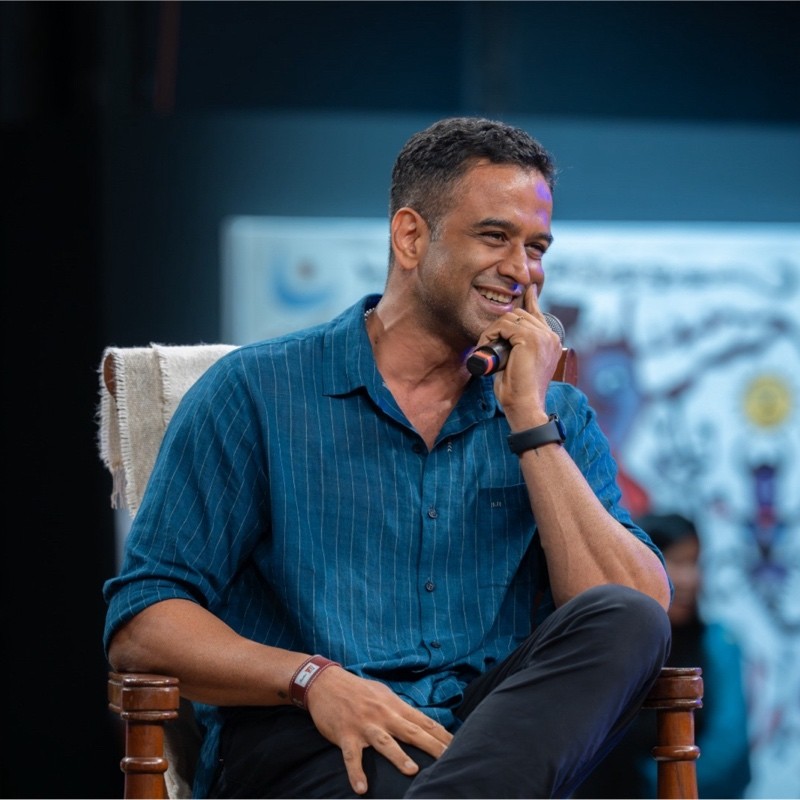
In a recent LinkedIn post, Nithin Kamath, CEO and co-founder of Zerodha, explains the company’s strategic decision to focus exclusively on offering Loan Against Securities (LAS) and eschew other forms of lending like personal loans or credit cards.
Strategic Rationale Behind Zerodha’s Lending Approach
Kamath clarifies that Zerodha’s limited offering in the lending space is not an oversight but a deliberate choice rooted in their business model and philosophy. He highlights that competing in areas like personal loans or credit cards, which typically carry higher interest rates, is not feasible due to Zerodha’s cost of funds.
“Our cost of funds doesn’t work. We’re at ~8.5%, while banks raise money at ~3.5%, and large NBFCs around ~7%,”
Kamath writes. This disparity in funding costs, he argues, prevents Zerodha from being competitive on rates. Furthermore, he points out that in such markets, the most creditworthy borrowers naturally gravitate towards the lowest rates, leaving lenders like Zerodha with a disadvantage.
Mitigating Risk and Aligning with Company Values
A significant factor in Zerodha’s decision is the inherent risk associated with unsecured lending. Kamath elaborates on the operational complexities and brand implications of pursuing unsecured debt.
“Additionally, unsecured lending means recovery agents, constant collection calls, and the entire process of chasing repayments. That’s exactly the kind of incentive cycle we don’t want to participate in. Also not good for the brand we have built.”
According to Kamath, this type of lending model introduces an undesirable operational burden and potential brand damage. In contrast, Loan Against Securities presents a fundamentally different risk profile.
The Advantages of Loan Against Securities
Kamath emphasizes the structural safety of LAS, citing Reserve Bank of India (RBI) mandates that require a 50% haircut on the value of securities pledged as collateral. This means borrowers must have assets worth at least double the loan amount, ensuring they have the capacity to repay.
“LAS is fundamentally different. RBI mandates a 50% haircut on securities, making it structurally safer. Borrowers have assets worth at least 2x the loan amount, so we know they can afford it. Lower risk means we can offer lower rates (10-11%).”
This lower risk allows Zerodha to offer more competitive rates, typically between 10-11%. More importantly, Kamath states that LAS aligns with Zerodha’s core philosophy: credit should be utilized only when truly necessary and within one’s financial capacity, rather than being easily accessible for discretionary use.
Leveraging Existing Infrastructure and Core Competencies
Kamath also highlights Zerodha’s unique advantage in offering LAS: its existing customer base already holds securities with the platform. This makes LAS a natural extension of their core broking services rather than an aggressive push into a new, unrelated lending sector.
He notes that LAS functions more like a broking activity, often not even requiring a separate NBFC license in many markets. This integration leverages Zerodha’s existing infrastructure and customer relationships, reinforcing their position as a capital markets entity rather than a traditional lender.
📝 About This Content
This article is based on insights shared by Nithin Kamath on LinkedIn.
📅 Originally posted on December 12, 2025 | View original post on LinkedIn →