
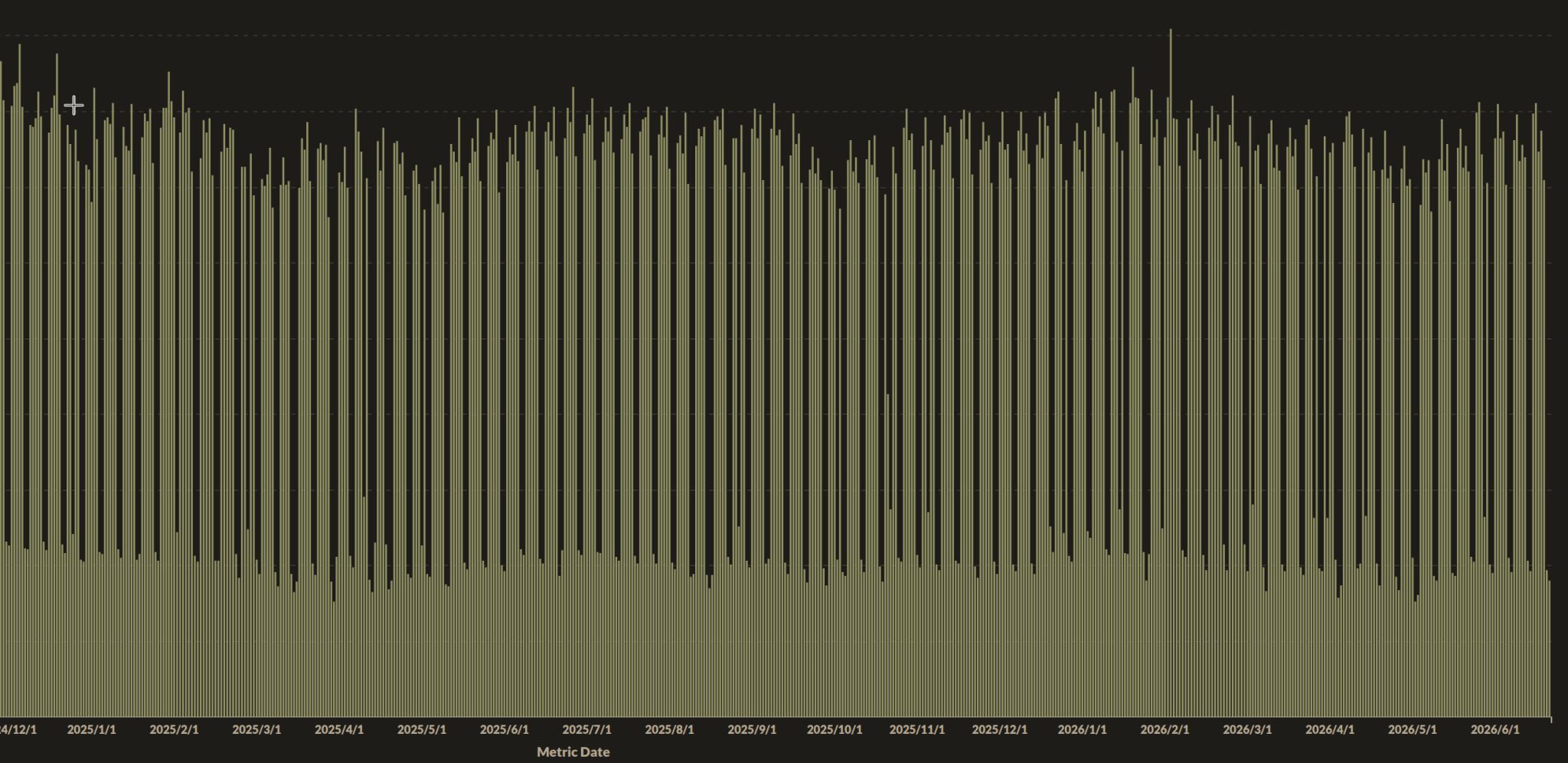
In a recent LinkedIn post, Nithin Kamath discusses how trading strategies, particularly in the F&O (Futures and Options) segment, differ significantly based on the amount of capital a trader possesses. Despite market fluctuations and regulatory changes impacting trading volumes, Kamath highlights key observations about trader behavior and success factors.
Capital as a Differentiator in Trading
Kamath points out that the size of a trader’s account plays a crucial role in their approach to the markets. He elaborates on an insight from Abid Hassan, emphasizing that individuals with substantial capital tend to adopt more measured trading strategies compared to those attempting to build wealth from smaller sums.
“As obvious as it sounds, people with capital tend to trade differently from people trying to get rich with small amounts of money.”
According to Nithin Kamath, this fundamental difference in capital influences the very nature of the trades undertaken. Traders with larger accounts are more inclined towards defined risk strategies, which inherently limit potential losses.
The Advantage of Defined Risk Strategies
Kamath argues that the preference for defined risk strategies among larger account holders is a logical consequence of their financial position. These strategies, by their nature, cap the maximum possible loss, making them a more sensible choice when significant capital is at stake.
“Bigger accounts are more likely to trade defined strategies rather than go YOLO with naked option positions.”
He further explains the benefits of this approach:
“Since the risk is capped and position sizing is usually more sensible, they tend to do better over the long run.”
While acknowledging that this conclusion might not be groundbreaking, Kamath stresses its importance and the need for it to be reiterated. The discipline of managing risk and employing sensible position sizing, he suggests, is a key determinant of long-term success in F&O trading.
Sensibull: A Tool for Defined Risk Strategies
Kamath also took the opportunity to highlight the utility of Sensibull, a platform designed to assist traders in creating, analyzing, and executing F&O strategies. He notes that many traders remain unaware of its availability and capabilities.
“Many traders still don’t know that Sensibull is available for free. It has pretty much everything you need to create, analyse, and trade defined risk F&O strategies,” Kamath stated, providing a link to the platform.
The insights shared by Nithin Kamath underscore the critical role of capital management and strategic planning in navigating the complexities of F&O trading, suggesting that a disciplined approach, supported by appropriate tools, is essential for sustained profitability.
📝 About This Content
This article is based on insights shared by Nithin Kamath on LinkedIn.
📅 Originally posted on June 23, 2026 | View original post on LinkedIn →