
In a recent LinkedIn post, IZA MONTALVO discusses the pervasive feeling of envy or inadequacy that can arise when observing the success of others, particularly on professional networking platforms like LinkedIn. Montalvo shares a personal reflection on how seeing others’ achievements used to make them feel smaller, leading to a detrimental mindset of scarcity.
The post opens with a relatable observation: “Someone else’s win shouldn’t feel like your loss. But sometimes it does.” Montalvo elaborates on this common human experience, noting that the constant visibility of success on social media can foster a sense of diminishing opportunity for oneself. This internal narrative, Montalvo suggests, has significant implications for how individuals present themselves and pursue their goals.
“The more successful people I see on LinkedIn, the smaller I used to feel. Maybe even roll your eyes a little. Then a thought slips in. ‘Maybe there’s less left for me.'”
The Psychological Impact of Social Comparison
IZA MONTALVO highlights research suggesting that our sense of well-being is not solely determined by our own possessions or achievements, but rather by our perception of ourselves in relation to others. This social comparison, Montalvo argues, can be a significant driver of negative feelings if not managed constructively. The tendency to view others’ success as a zero-sum game, where their gain equals our loss, is a powerful psychological trap.
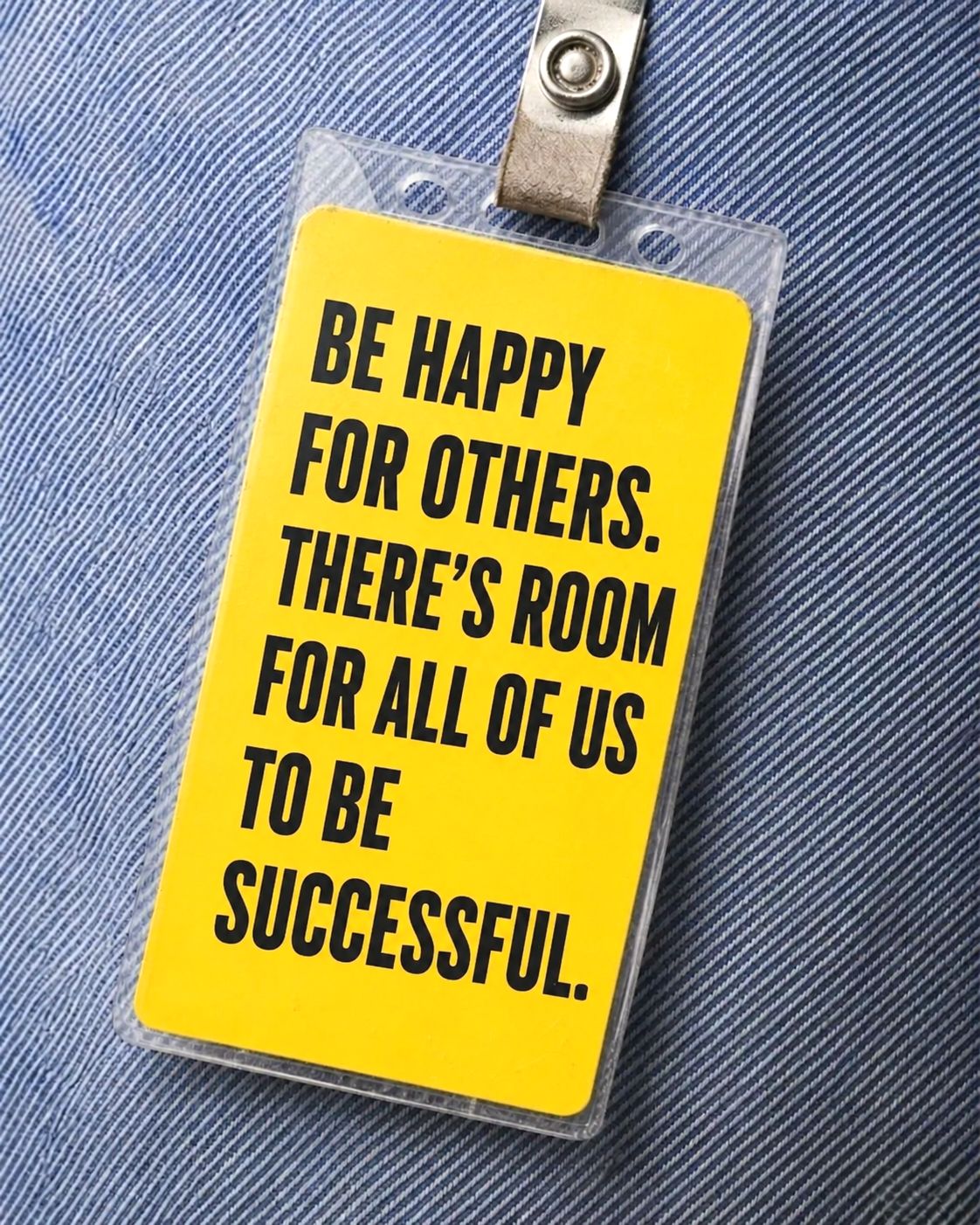
Montalvo recounts encountering a sign that offered a different perspective:
“Be happy for others. There’s room for all of us to be successful”
. This simple message served as a crucial reminder for Montalvo, reframing the narrative from one of scarcity to one of abundance. It underscores the idea that the success of one individual does not inherently diminish the potential for another’s success.
Shifting to Attraction Through Clarity
A key takeaway from Montalvo’s post is the transformative power of shifting one’s mindset from one of competition to one of attraction. According to Montalvo, individuals who overcome the feelings of envy are not necessarily luckier; they have consciously made a decision to cultivate a different internal state. This shift is facilitated by developing a strong sense of self-awareness and purpose.
Montalvo emphasizes the importance of knowing one’s core values and target audience. When an individual is clear about what they stand for and who they serve, they become instantly recognizable to the right people. This clarity, Montalvo explains, moves individuals away from competing for attention and towards naturally attracting it.
“Getting so clear on who you are and what you bring that the right people recognize you immediately. Because once they do… you stop competing for attention. You start attracting it.”
The post concludes by posing a question to the audience, inviting reflection on personal experiences with this phenomenon and what shifts have led to overcoming it. This engagement strategy, typical of Montalvo’s approach, encourages dialogue and shared learning around a common challenge.
IZA MONTALVO’s insights offer a valuable perspective for professionals navigating the often-intimidating landscape of public success. By advocating for a mindset shift rooted in self-clarity and a belief in shared abundance, Montalvo provides a framework for transforming potentially negative social comparisons into positive drivers of personal and professional growth.
📝 About This Content
This article is based on insights shared by IZA MONTALVO on LinkedIn.
📅 Originally posted on July 31, 2026 | View original post on LinkedIn →