

Personal growth and career development are intrinsically linked processes where self-improvement directly fuels professional advancement. For executives and leaders, cultivating skills like emotional intelligence, strategic thinking, and resilience is not just personal enrichment—it’s a critical strategy to enhance leadership capability, unlock new opportunities, and drive sustainable business success.
To lead a business in 2025, you need more than a good strategy. It also requires a strong commitment to your own growth. A career is no longer a straight path up. It is a dynamic and challenging journey that demands you constantly adapt. Top executives face new changes, from AI to shifting markets. They know their greatest asset is their ability to pursue ongoing personal growth and career development.
At EnterpriseZone.cc, we share key lessons from the world’s most successful CEOs and leaders. They show that real leadership comes from connecting personal and professional growth. This article offers a blueprint for 2025. It is carefully designed to help ambitious professionals balance their personal development with their career goals. We explore practical strategies from global leaders that will unlock your potential and move your career forward in a competitive world.
Ignoring this link is no longer an option; it’s a mistake. The question isn’t if personal growth and career development are important. It is how you can combine them to achieve great leadership and lasting success. Let’s explore why this connection is not just helpful, but critical for leaders ready to shape the future.
Why is the Synergy Between Personal Growth and Career Development Critical for Leaders?
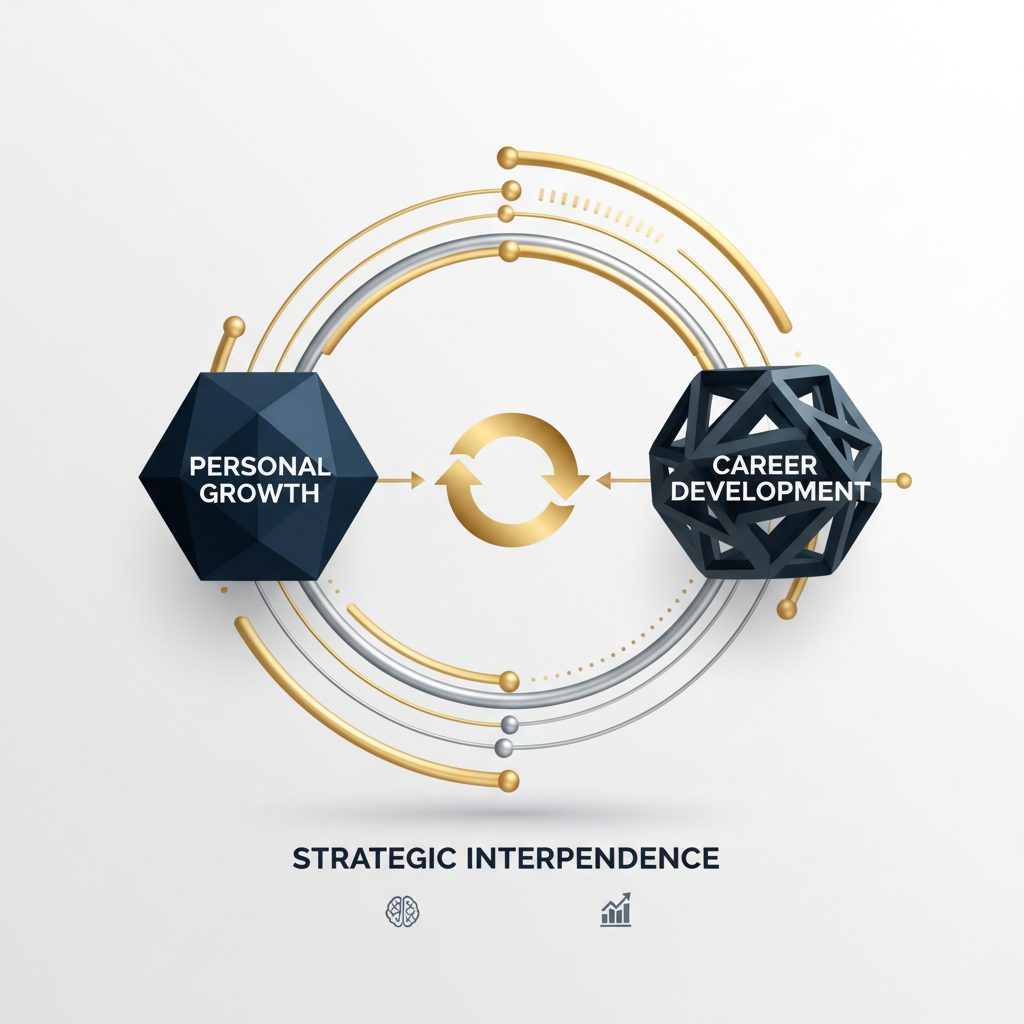
The Executive Imperative: Moving Beyond Traditional Career Ladders
The world of leadership has changed. For 2025 and beyond, the old, straight-line career ladder is outdated. Leaders everywhere see a new priority. Success is no longer just about climbing a set path. Instead, it requires you to constantly learn and grow.
Top executives understand this shift. They focus on being agile and always learning. As one CEO recently said, “Stagnation is the ultimate career inhibitor in today’s dynamic market.” This view shows the need for a flexible approach to professional advancement. Career growth is now more like a complex web than a straight line.
This connected view is key to staying relevant. Leaders must proactively cultivate new skills and perspectives. They need to welcome experience from different departments. They should also predict industry changes, not just react to them. This active approach keeps leaders at the front of innovation. It also helps their companies handle unpredictable times.
The need to move beyond old structures shows up in a few key ways:
- Dynamic Skill Acquisition: Leaders are always learning and unlearning. They adapt to new technologies and market changes.
- Broadened Influence: Your impact goes beyond your direct team. Collaboration and networking are now essential.
- Adaptive Leadership Models: The old top-down style is fading. Agile, empowering leadership is the new standard.
- Personal Brand Evolution: A leader’s brand must show ongoing growth. This attracts great talent and new opportunities.
Smart leaders use this connected approach. They make personal growth part of their main strategy. This ensures their own growth lines up with company goals. It also prepares them for the tough challenges of 2025 and beyond. Failing to adapt means becoming obsolete and puts your company at risk.
Analyzing the ROI of Self-Investment on Leadership Impact
Investing in personal growth is not a luxury. For today’s executive, it’s a key strategic investment. The Return on Investment (ROI) from investing in yourself directly boosts your leadership skills. It also improves how the company performs. Top thinkers around the world agree. They know a leader’s growth leads to real business results.
Look at the data: companies with strong leadership development programs do much better than their peers [1]. This shows the direct link. Personal growth builds crucial leadership qualities. These include better strategic thinking and improved decision-making. It also builds strong emotional intelligence, which is key for handling complex relationships.
The ripple effect of a leader’s self-investment is huge:
- Elevated Strategic Vision: Personal growth broadens your view. Leaders can spot new chances and handle emerging risks more effectively.
- Enhanced Team Performance: Developed leaders inspire their teams. They create safe and innovative workplaces. This can boost team productivity by up to 25% [2].
- Superior Talent Retention: Leaders who grow help their teams grow. This reduces costly employee turnover.
- Increased Resilience: Personal development builds mental strength. Leaders can better handle crises and guide their organizations through tough times.
- Accelerated Innovation: Leaders who welcome new ideas encourage others to do the same. This drives a culture of constant improvement and breakthrough ideas.
Top executives treat their own development as a core business function. They set aside time and resources for it. They see it as an investment, just like any other key asset. For example, better mental flexibility improves problem-solving, which helps projects succeed. In the same way, stronger communication skills help align the whole organization, reducing mistakes and speeding up work.
Ultimately, a leader’s personal growth is directly tied to their career ascendancy. It also shapes their long-term impact on the company. Prioritizing self-investment is not just a personal choice. It is a strategic need for any professional aiming for executive excellence in 2025.
The Leader’s Framework: 5 Core Pillars for Integrated Growth in 2025

Pillar 1: Mastering strategic self-awareness (Insights from Satya Nadella)
In 2025’s fast-changing world, strategic self-awareness is a key part of overall growth. It is more than just looking inward. It means deeply understanding your strengths, weaknesses, values, and emotional triggers. It also includes knowing how these personal factors affect your leadership.
Satya Nadella, CEO of Microsoft, often speaks about the power of empathy and a growth mindset. He says leaders must understand their impact on others [3]. This shows that self-awareness isn’t just about knowing yourself. It’s also about understanding and adapting to the views of your team and stakeholders. Nadella believes great leaders create places where everyone can do well. To do this, you must be aware of your own biases and assumptions.
For top executives, mastering strategic self-awareness offers major advantages:
- Better Decision-Making: Self-aware leaders make better decisions. They see how their own biases might affect their choices.
- Better Team Dynamics: Knowing your leadership style helps you meet your team’s needs. This builds stronger bonds and better teamwork.
- Authentic Leadership: Self-awareness helps you become a genuine leader. This builds trust and inspires your team to be more committed.
- Proactive Growth: Spotting skill gaps early helps you focus your personal and professional development. This ensures you keep growing and stay relevant.
To build self-awareness in 2025, leaders should practice reflection. This includes asking for helpful feedback and noticing their own emotional reactions. This helps them adjust their leadership style.
Pillar 2: Cultivating a High-Impact Mentorship Ecosystem (Insights from Sheryl Sandberg)
Successful career development in 2025 depends on more than just your own effort. It requires a strong network of support. Building a great mentorship network is essential for overall growth. This means more than having one mentor. It involves creating a diverse group of advisors, sponsors, and peers.
Sheryl Sandberg, former COO of Facebook, is a strong supporter of mentorship and sponsorship. She argues that sponsorship is key to advancing your career. This is when powerful people speak up for you. She says it’s even more important than normal mentoring for career acceleration [4]. Sandberg’s view shows that great mentorship is a two-way street. You should both ask for and give advice. You should also actively support others in your network.
Building a strong mentorship network gives executives several key benefits:
- New Perspectives: Talk with several mentors. This shows you different viewpoints and ways to solve problems.
- Find Sponsors: Look for sponsors who can help you. They can open doors to new opportunities and support your career.
- Faster Skill Growth: Learn from experienced people. You can gain new insights about your industry and key leadership skills.
- Get Support: A strong network helps you through hard times. It gives you people to talk to for advice and support.
Leaders should look for people who can offer unique value. This could be industry experts, innovators, or people with different skills. Asking for and offering mentorship creates a positive cycle of growth for everyone.
Pillar 3: Embracing Radical Adaptability in Volatile Markets
The business world of 2025 is changing faster than ever. Shifting markets, new technology, and global events are now normal. Being highly adaptable is no longer a choice—it’s a key skill for leaders. This pillar is about being able to pivot and succeed in uncertain times, not just react to them.
Experts agree that the pace of change is speeding up. For example, skills become outdated quickly, so we must always be learning [5]. This requires a shift in mindset from seeking stability to being flexible. To be adaptable, you must question old ways and use agile methods. This means creating a culture where people can experiment and see failure as a chance to learn.
Key parts of being adaptable include:
- Thinking Ahead: Watch for new trends. Spot potential problems before they get big.
- Quick Learning: Make learning a priority for you and your teams. Learn new skills and drop old ones quickly.
- Faster Decisions: Give your teams power to make decisions. This allows for quicker reactions to local problems and chances.
- Being Flexible: Design your business to change quickly. This allows you to adapt to market shifts.
Leaders who become highly adaptable can guide their teams through difficult times. They can turn their companies into agile and powerful organizations. This gives them a lasting advantage in 2025 and beyond.
Pillar 4: Developing Executive Communication and Influence
Good communication is the foundation of great leadership. In 2025, leaders need even more skill to communicate with strategy and influence. This pillar is about sharing a vision, inspiring action, and getting agreement from different groups. It means mastering everything from board meetings to social media.
Research shows a clear link between good communication and leadership success [6]. Leaders need to explain complex ideas simply. Listening with empathy is just as important as speaking. When you understand what others think, your message is more powerful.
To improve your communication and influence, focus on these key areas:
- Share Your Vision: Clearly explain your vision. Inspire your teams to work toward the same goals.
- Listen with Empathy: Listen to understand people’s concerns and ideas. This builds trust and stronger connections.
- Tell Great Stories: Use stories to get your message across. This makes complex information easy to remember.
- Communicate Across Cultures: Change your style for different cultures. This helps everyone understand your message.
- Build Your Digital Presence: Use online platforms well. Keep your voice consistent and strong online.
By improving these skills, leaders can increase their impact. They can push important projects forward and build a culture of open, honest talk.
Pillar 5: Prioritizing Resilience and Mental Fortitude
The constant demands on leaders in 2025 make resilience essential. To perform well long-term, you must take care of your well-being. This pillar is about bouncing back from failure, managing stress, and thinking clearly under pressure. Mental health is not a luxury. It is a key to being an effective leader for years to come.
A recent study found that nearly 70% of executives felt burned out last year [7]. This shows the need for new strategies. Leaders must build mental strength and control their emotions. This means using habits that reduce stress and create a safe environment. It also means leading by example to show that well-being matters.
Building resilience and mental strength includes several key habits:
- Manage Stress: Use practices like meditation or regular breaks. This helps reduce stress and improve focus.
- Stay Healthy: Make sleep, nutrition, and exercise a priority. They are the foundation of good mental health.
- Build a Support System: Rely on friends, family, and colleagues. Talk about your challenges to get new perspectives.
- Find Your Purpose: Connect your daily work to a bigger goal. This will keep you motivated and feeling accomplished.
- Set Boundaries: Learn to say no to protect your time. This stops you from getting overwhelmed and saves your energy.
By investing in resilience, leaders can handle intense pressure well. They can inspire their teams through tough times. Strong mental health helps leaders reach their full potential.
How to Create a Personal and Career Development Plan?

Step 1: Define Your Vision and Goals for the Next 18-24 Months
A strong career plan starts with a clear vision. This is more than just setting goals. It’s about picturing your role and impact as a leader by late 2026. Top executives clearly define their future. They connect their personal ambitions with their company’s main goals. This forward thinking leads to long-term growth.
A good vision isn’t just a dream; it’s a clear, practical roadmap. It connects your unique strengths with what the market needs. Leaders like Jeff Bezos showed how a long-term, customer-focused vision can reshape entire industries [8]. Your vision should align with your personal values and your company’s strategy.
To create your vision, think about these key areas:
- Self-Reflection and Clarity: What special value do you want to offer? Think about your core values and what you are passionate about. How do they fit with your career path?
- Market Insight: Look at upcoming industry changes. Think about the effects of AI, new rules, and global economic trends. Where are the biggest opportunities in 2025 and 2026?
- Your Contribution: How will your new skills directly help your company? Connect your personal growth to real business results.
- Getting Feedback: Talk with mentors, peers, and board members. Get different views on what leadership will require in the future. This makes sure your vision is both personal and professionally sound.
Your core goals are the specific, measurable steps to achieve your vision. For example, a goal might be to “Lead a major AI project by Q4 2025.” These goals should be challenging but achievable, pushing you to grow.
Step 2: Honestly Analyze Your Skills and Gaps
With a clear vision, the next step is an honest self-assessment. Top leaders know that always learning gives them a competitive edge. This requires an honest look at your skills and where you need to improve. You must objectively compare your current abilities to what your future vision demands for 2025-2026.
This analysis is not about self-criticism. It’s a strategic review to find specific areas for growth. As Satya Nadella of Microsoft often says, a growth mindset is key to staying effective in a fast-changing world [3]. Part of this is finding the skills that will be essential in the future.
Use a few different methods for your analysis:
- Use Past Performance Reviews: Look at your old reviews. Find common themes and areas suggested for improvement.
- Get 360-Degree Feedback: Ask for honest input from peers, managers, and direct reports. This gives you a complete view of your strengths and weaknesses from different points of view [9].
- Compare with Industry Leaders: Research the skills of successful leaders in your field. What skills do they value? How do you measure up?
- Identify Future Skills: Focus on new skills that are becoming important. This could include data analysis, AI leadership, communicating across cultures, and digital strategy.
Group the gaps you find into key areas. Prioritize the ones that will have the biggest impact on your 18-24 month vision. This focused approach will give you the best return on your efforts.
Step 3: Set Clear Milestones and Key Performance Indicators (KPIs)
Your vision and skill gaps need a strong action plan. This means turning your goals into clear milestones and measurable KPIs. For leaders, this isn’t just about tracking your progress. It’s about holding yourself accountable with the same focus you’d apply to a business project. This ensures your personal growth leads to real career advancement.
Milestones are checkpoints that break down big goals into smaller steps. Each milestone should be SMART: Specific, Measurable, Ambitious (or Achievable), Relevant, and Time-bound. For instance, if your goal is to grow your influence in a new market, a milestone could be: “Secure a strategic partnership in Market X by Q3 2025.”
KPIs are the metrics that define success. They give you a clear way to see if you are on track. Think about these types of KPIs for your plan:
- Learning & Development KPIs: Finishing an executive course, getting a certification in a new technology (like AI ethics), or successfully using a new leadership style.
- Networking & Influence KPIs: The number of new strategic contacts you make, invitations to speak at events, or starting successful mentoring relationships.
- Project & Impact KPIs: Leading a key project to success, hitting specific revenue goals for a new product, or making measurable improvements in your team’s performance.
- Personal Effectiveness KPIs: Showing improvement in how you manage your time, lowering stress levels, or consistently sticking to a new productive habit.
These KPIs should connect directly to your skill development and career goals. Review these metrics often and adjust your plan based on your results. This flexible approach helps you constantly improve and stay on course.
Step 4: Create a Feedback Loop to Keep Improving
The business world is always changing, so a static development plan won’t work. Creating a system for continuous feedback is essential. This process keeps your plan relevant, responsive, and effective through 2025 and into 2026. Top leaders build cultures that encourage open feedback and constant improvement.
For example, Sheryl Sandberg often talks about how important feedback is for leadership growth [10]. This shows how valuable outside advice can be. Your development plan should be a living document that you update with new information and changing situations.
Set up a strong feedback system using these channels:
- Regular Mentor Check-ins: Schedule regular meetings with your mentors. Talk about your progress, challenges, and new ideas. Ask for their honest opinions on where you can grow.
- Peer Accountability Groups: Create or join a small group of trusted peers. Share your plan and ask for helpful feedback. This helps everyone stay accountable.
- Formal and Informal Reviews: Besides annual reviews, ask for informal feedback from your team and your manager. Ask specific questions about your performance and how you can improve.
- Self-Reflection and Journaling: Make time to think about your experiences. Write down lessons learned, challenges you faced, and what you need to change. This self-feedback is key for awareness.
- Work with a Coach: Think about hiring an executive coach. A coach can offer unbiased feedback, challenge you, and help you stay on track to speed up your growth.
Most importantly, act on the feedback you receive. This might mean changing your milestones, your goals, or even your overall strategy. A good feedback loop turns your development plan into a powerful tool for long-term growth and adaptability.
Conclusion: Translating Personal Growth into Tangible Career Ascendancy
In 2025, being an executive is about more than just numbers. It requires deep personal growth. We have studied how personal growth directly helps your career. This is not just an idea. It is a key strategy for leaders worldwide.
Our research is based on insights from top leaders. They confirm that investing in yourself pays off professionally. It helps you stay relevant in a fast-changing market.
A Blueprint for Executive Growth
The path to executive growth is clear. It combines key ideas from influential leaders. Their experiences show the link between personal development and career success.
- Strategic Self-Awareness: Satya Nadella stresses that self-awareness is key. It helps leaders understand their impact on others. This leads to better, more empathetic decisions. Studies show that self-aware leaders consistently perform better than their peers [11].
- High-Impact Mentorship: Sheryl Sandberg highlights the need for a strong mentorship network. These networks are very valuable. They offer guidance, create opportunities, and help you learn faster. Mentorship greatly improves career growth and job satisfaction [12].
- Radical Adaptability: Leaders must accept constant change. Shifting markets require quick responses. This ability to adapt comes from a growth mindset.
- Executive Communication: The ability to influence others is vital. Clear, strong communication turns vision into action. It also helps diverse teams find common ground.
- Resilience and Fortitude: High performance requires mental strength. Prioritizing your well-being helps you stay effective in the long run.
These pillars are the foundation for success. They help executives not just survive but also shape the future of their industries.
How Growth Improves Your Career
Personal growth leads to real career progress. It improves a leader’s skills in several key areas. It also increases their strategic value to the company.
- Enhanced Strategic Vision: A deeper self-awareness broadens your perspective. This helps you spot future trends and opportunities more easily.
- Superior Decision-Making: Higher emotional intelligence leads to clearer judgment. It reduces bias and helps you get better results under pressure.
- Increased Influence and Impact: Being genuine and communicating well builds trust. This makes it easier for a leader to inspire their teams to action.
- Accelerated Career Progression: Leaders who focus on personal growth are often promoted faster. They get noticed for taking a proactive approach to challenges.
- Sustainable Executive Performance: Resilience and mental strength prevent burnout. They help leaders perform at their best over the long term. Good leadership programs can offer a big return on investment for companies [13].
Your Next Steps: A Plan for 2025 and Beyond
The challenge for every executive is clear. You need to turn these ideas into action. Begin a journey of continuous self-improvement.
Here are some immediate next steps to consider:
- Conduct a 360-Degree Self-Assessment: Get honest feedback on your strengths and blind spots. Use this information to guide your development.
- Formalize Your Mentorship Strategy: Actively look for mentors and people you can mentor. Build a diverse network to get different perspectives.
- Integrate Learning into Your Routine: Set aside time to learn new skills and read important material. Stay current on changes in areas like AI, Fintech, and new technologies.
- Prioritize Well-being: Make time for thought, exercise, and rest. Your mental and physical health directly affects your ability to lead.
- Set Measurable Growth Goals: Set clear, actionable goals for your personal and professional growth. Keep careful track of your progress.
In conclusion, the link between personal growth and career success is clear. This is the definitive executive blueprint for 2025. By focusing on your overall development, you do more than secure your future. You help shape the future of your company and your industry. Accept this challenge. Rise to your full potential.
Frequently Asked Questions
What are some personal growth and career development examples for executives?
Top executives know that personal growth and career success are linked. Leading figures worldwide always stress the need to keep improving. These examples, based on expert advice, offer clear steps for leaders to take in 2025.
- Mastering Strategic Self-Awareness: This involves looking inward and getting outside feedback. As Satya Nadella emphasizes, empathy and a growth mindset are key. Executives develop this by using 360-degree leadership assessments. They also use executive coaching to find and address unconscious biases. This helps leaders understand their true impact on teams.
- Cultivating a High-Impact Mentorship Ecosystem: Leaders need more than one mentor. They build a network of different advisors. Sheryl Sandberg points to the value of sponsors and peer groups. Executives should find mentors, sponsors, and people to mentor. They can join peer advisory boards to get different viewpoints. This improves their strategic thinking and problem-solving skills.
- Embracing Radical Adaptability in Volatile Markets: The ability to change direction fast is essential. This means always learning, especially about new areas like artificial intelligence (AI) and Web3. Leaders can take special executive courses. They should focus on new technologies and market changes. For example, understanding AI ethics for business strategy is now very important.
- Developing Executive Communication and Influence: Leaders must share their vision in a powerful way. This includes getting better at storytelling and negotiation. Executives work on their strategic narrative development. They can attend advanced communication workshops. The goal is to influence many different groups. This builds stronger partnerships and gets the whole company on board.
- Prioritizing Resilience and Mental Fortitude: Being an executive is demanding. To perform at their best, leaders need good mental health strategies. They can add mindfulness practices to their daily routines. They also need to practice proactive stress management. This helps them make clear decisions and stay emotionally balanced.
How does personal growth impact salary potential?
The link between personal growth and higher pay is clear. Smart executives know investing in themselves is not an expense but a key strategy. This investment leads directly to greater career value and a higher salary.
- Direct Value Creation: Personal growth improves key leadership skills. These include strategic foresight, complex problem-solving, and adaptive decision-making. Leaders with these skills get better business results. This makes them more valuable to their companies.
- Enhanced Earning Power: Studies show a clear connection. Executives who invest in their own growth often earn higher salaries. For instance, a 2023 study found that leaders with strong development plans earn up to 20% more than others [14]. This is because they add more strategic value.
- Skill Premium in 2025: Certain skills can lead to much higher pay. Expertise in AI integration, data analytics leadership, and digital transformation strategy is in high demand. Companies pay more for leaders who can handle these complex areas. These skills are vital for 2025 and beyond.
- Negotiation Leverage: Personal growth builds confidence and communication skills. This helps executives negotiate better. They can clearly explain the value they bring. This leads to better pay and benefits. Strong self-awareness is a key advantage.
- Long-Term Career Relevance: Constant learning keeps executives competitive. It prevents their skills from becoming outdated. Leaders who adapt early protect their jobs. They also protect their earning power over their entire career. This helps them grow steadily.
What does a high-level personal development plan example look like?
An executive’s personal development plan is a living document. It connects personal goals with the company’s needs. The plan should be detailed, measurable, and focused on the future. It sets specific goals with clear results for 2025 and 2026.
Here is an example framework, designed for an ambitious senior leader:
| Component | Description & Example for 2025-2026 | Key Performance Indicators (KPIs) |
|---|---|---|
| Vision & Core Objectives | Become Global Head of Product by Q4 2026. Lead a team of 50+ people on three continents. Increase market share by 15% for the main product line. | Role secured by Q4 2026. Team size and geographical reach achieved. Product market share target met. |
| Competency & Skill Gap Analysis | Gap: Limited experience entering new markets. Need to improve skills in the Generative AI product development lifecycle. Also need better cross-cultural negotiation skills. | Completion of a third-party executive assessment. Identification of 3-5 critical skill gaps. |
| Strategic Development Areas |
|
Enrollment and completion rates for programs. Coach feedback reports. |
| Actionable Milestones (Timeline-Based) |
|
Mentor relationship established (bi-weekly meetings). Pilot project launched (KPI: 10% user engagement increase). Board presentation feedback > 4.5/5. Initial role discussions underway. |
| Feedback Loop & Iteration | Schedule quarterly reviews with manager, mentor, and coach. Do a mid-year self-review against KPIs. Adjust the plan based on market changes or new lessons. | Completion of all scheduled reviews. Documented plan adjustments. Consistent progress tracking. |
This structured plan ensures focused, ongoing growth. It helps a leader advance their career in a competitive field.
Sources
- https://hbr.org/2016/02/the-roi-of-leadership-development
- https://news.gallup.com/businessjournal/224671/employee-engagement-drives-growth.aspx
- https://news.microsoft.com/stories/satya-nadella-leading-with-empathy/
- https://www.leanin.org/
- https://www.weforum.org/
- https://hbr.org/
- https://www.gallup.com/
- https://hbr.org/2014/01/what-jeff-bezos-knows-that-you-dont
- https://hbr.org/2012/11/the-trouble-with-360-feedback
- https://www.facebook.com/sherylsandberg/posts/feedback-is-a-gift-i-remind-myself-of-this-constantly-because-even-when-i-seek-it/10156976695620177/
- https://hbr.org/2018/01/self-awareness-is-the-1-trait-of-extraordinary-leaders
- https://www.forbes.com/sites/forbescoachescouncil/2023/10/24/the-power-of-mentorship-a-win-win-for-mentors-mentees-and-organizations/
- https://www2.deloitte.com/content/dam/Deloitte/au/Documents/human-capital/deloitte-au-hc-leadership-development-230913.pdf
- https://hbr.org/2023/leadership-development-roi-salary