
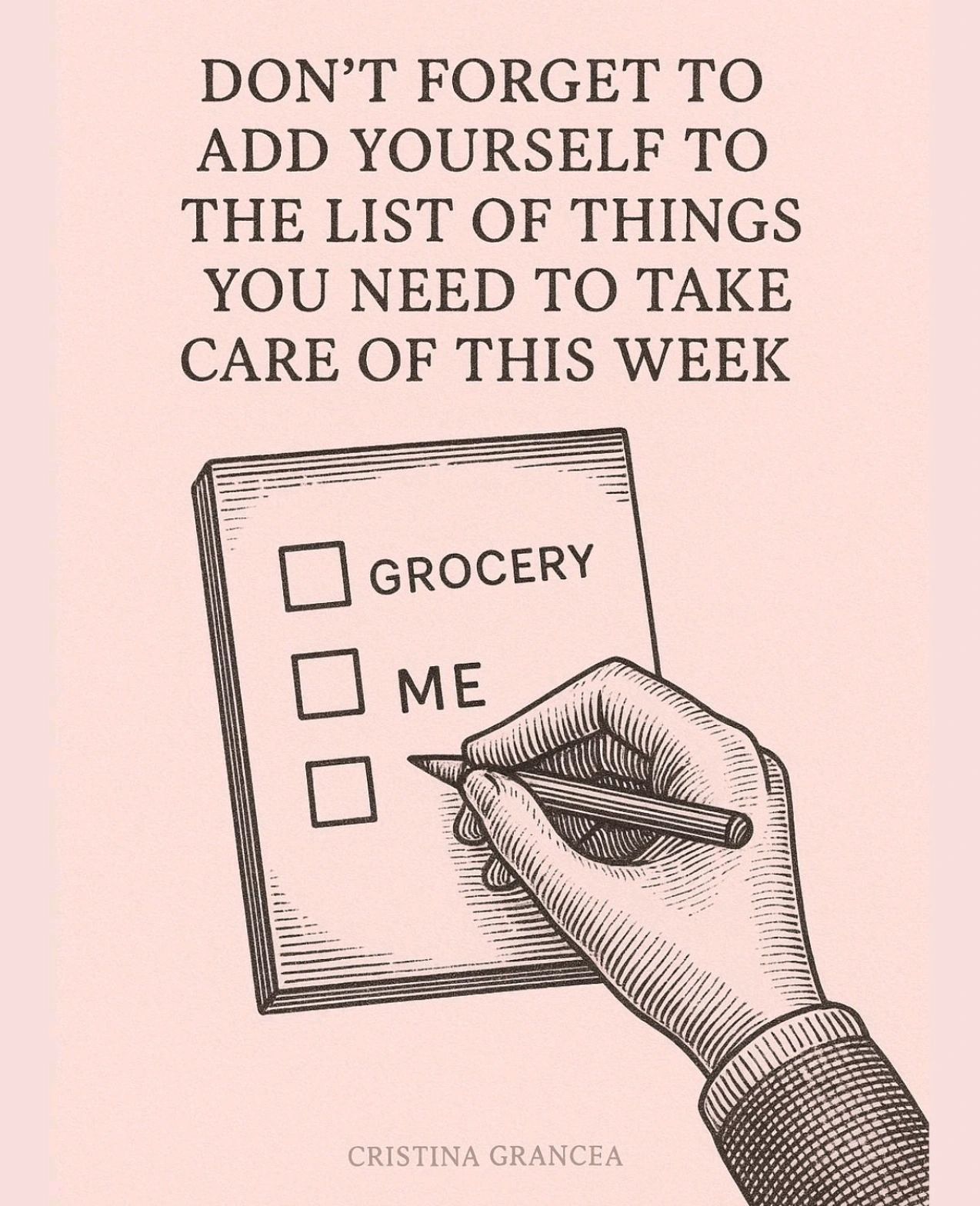
In a recent LinkedIn post, Cristina Grancea discusses the critical importance of recognizing and addressing burnout, offering practical strategies for maintaining personal well-being to ensure sustained professional effectiveness. Grancea emphasizes that when one is running on empty, the repercussions are felt across all aspects of life, hindering creativity and making even minor tasks feel overwhelming. This state, she clarifies, is not merely exhaustion but the onset of burnout.
Grancea highlights the immediate impact of depleted energy levels:
“When I’m running on empty, every part of my life feels it. Fresh ideas stop flowing. Even small tasks feel heavy. I get snappy and drained.”
This personal reflection serves as a preamble to her actionable advice, underscoring the necessity of proactive self-care. As Grancea notes, recognizing these signs is the first step toward implementing crucial changes.
The Early Signs and the Need for a Pause
Cristina Grancea argues that burnout can subtly erode productivity and well-being. She points out that the feeling of being drained and snappy is a clear indicator that slowing down and prioritizing self-care is essential. This perspective frames burnout not as a failure, but as a signal that one’s current pace and demands are unsustainable.
Actionable Steps for Self-Preservation
To combat these feelings and prevent burnout from taking a significant toll, Grancea outlines a series of steps she personally revisits when not at her best. These strategies are designed to help individuals regain equilibrium and protect their energy.
According to Grancea, these steps include:
- Setting Boundaries: This involves decisively ending the workday at its designated time and protecting personal evenings and weekends from professional encroachment.
- Scheduling Non-Negotiable Breaks: Grancea advocates for blocking out short, consistent breaks, such as 10-15 minutes between calls, to step away, breathe, and recharge.
- Weekly Workload Tracking: She suggests keeping a journal to monitor workload, enabling the identification of potential overwhelm before it becomes unmanageable.
- Saying No Without Guilt: Grancea encourages guarding one’s energy by declining commitments that can be deferred or delegated.
- Stopping Overcommitment: Acknowledging limitations is key. Grancea states that individuals are not meant to do everything, advocating instead for performing one’s core responsibilities well.
- Prioritizing Sleep and Rest: Grancea firmly believes that sleep is foundational, not a luxury, and that adequate rest provides the necessary space for the mind to switch off and recover.
Grancea emphasizes the insidious nature of burnout, stating:
“Burnout steals your best work before you even notice.”
This stark warning underscores the urgency of her message. She encourages a conscious effort to pause, rest, and reset.
Self-Care as a Foundation for Performance
Cristina Grancea posits that self-care is not an act of indulgence but a fundamental requirement for consistent high performance. In her view:
“Taking care of yourself isn’t indulgence. It’s the only way you’ll keep showing up at your best.”
This perspective shifts the conversation around self-care from a personal benefit to a professional necessity. By implementing these strategies, individuals can build resilience and ensure they can continue to contribute effectively without succumbing to the detrimental effects of burnout. Grancea’s post serves as a vital reminder for professionals to proactively manage their energy and well-being.
📝 About This Content
This article is based on insights shared by Cristina Grancea on LinkedIn.
📅 Originally posted on April 1, 2026 | View original post on LinkedIn →