
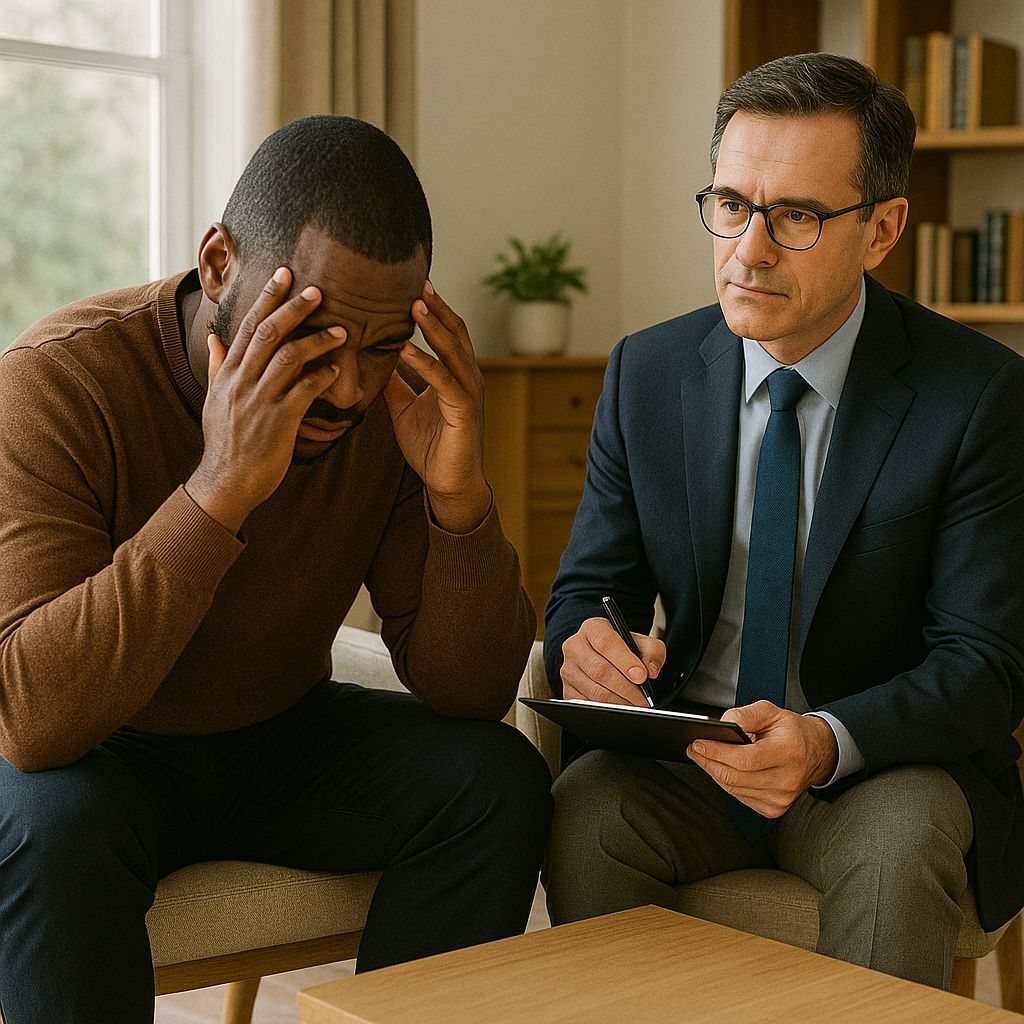
This week marks Mental Health Awareness Week in New Zealand, coinciding with World Mental Health Day. These occasions serve as crucial reminders to reflect on our mental wellbeing and the support systems available. This year’s New Zealand theme, ‘Top Up Together,’ encourages individuals to identify and engage in activities that boost their wellbeing. Concurrently, the global theme for World Mental Health Day, ‘Mental health in humanitarian emergencies,’ shines a light on the critical need for mental healthcare in crisis situations.
While the spirit of shared experience and peer support is valuable, it is paramount to distinguish between lived experience and professional expertise when seeking mental health support. Dr. Adam Harrison, writing on LinkedIn, emphasizes a vital point: for serious mental health concerns, seeking advice from a fully qualified mental health professional is not just recommended, it can be life-saving.
The Importance of Formal Credentials
Dr. Harrison strongly advises individuals seeking support to consult with accredited professionals such as Psychiatrists, Psychologists, Psychotherapists, CBT Therapists, or Psychiatric Nurses. He highlights a concerning trend where individuals with ‘lived experience’ but lacking formal credentials and clinical training are presenting themselves as experts. While personal experience can offer unique insights, it does not equate to the diagnostic and therapeutic capabilities of a trained professional. As Dr. Harrison notes, an expert possesses a ‘broad and deep understanding and competence in terms of knowledge, skill and experience, through practice and education in a particular field or area of study.’
He suggests that individuals unsure of where to turn should begin by speaking with their General Practitioner or Family Physician, who can guide them toward the most appropriate professional support.
The Dangers of Unqualified Advice
Dr. Harrison’s passion for this distinction stems from personal observations. He recounts witnessing cases, particularly in the UK and now increasingly in New Zealand, where individuals have sought expensive advice from unqualified ‘mental health experts’ found on social media platforms. Tragically, in some instances, this advice was followed by individuals who later died by suicide. While it’s impossible to definitively state that formal advice would always prevent such outcomes, Dr. Harrison notes that he has ‘never seen grieving relatives of patients who were advised by a formal mental health expert.’ This observation underscores the potentially fatal consequences of receiving inadequate or incorrect mental health guidance.
Seeking the Right Support
Mental illness is a serious health condition that requires professional diagnosis and treatment. Relying on unqualified advice can lead to delayed or improper care, exacerbating the condition and potentially having devastating results. The message from Dr. Harrison is clear and urgent: ‘Not having our mental illnesses treated properly can be fatal, so please get the correct advice.’
During Mental Health Awareness Week and World Mental Health Day, let this be a call to action to prioritize professional, evidence-based care for mental health challenges. Your wellbeing is too important to leave to chance.
This article was inspired by a LinkedIn post by Dr. Adam Harrison.
📝 About This Content
This article is based on insights shared by Dr Adam Harrison on LinkedIn.
📅 Originally posted on October 10, 2025 | View original post on LinkedIn →