
This week marks Mental Health Awareness Week in New Zealand, coinciding with World Mental Health Day. These occasions serve as crucial reminders to focus on our collective and individual wellbeing. New Zealand’s theme, ‘Top Up Together’, encourages Kiwis to identify and engage in activities that boost their mental health. Meanwhile, the global theme, ‘Mental health in humanitarian emergencies’, underscores the critical need for mental healthcare support during crises.
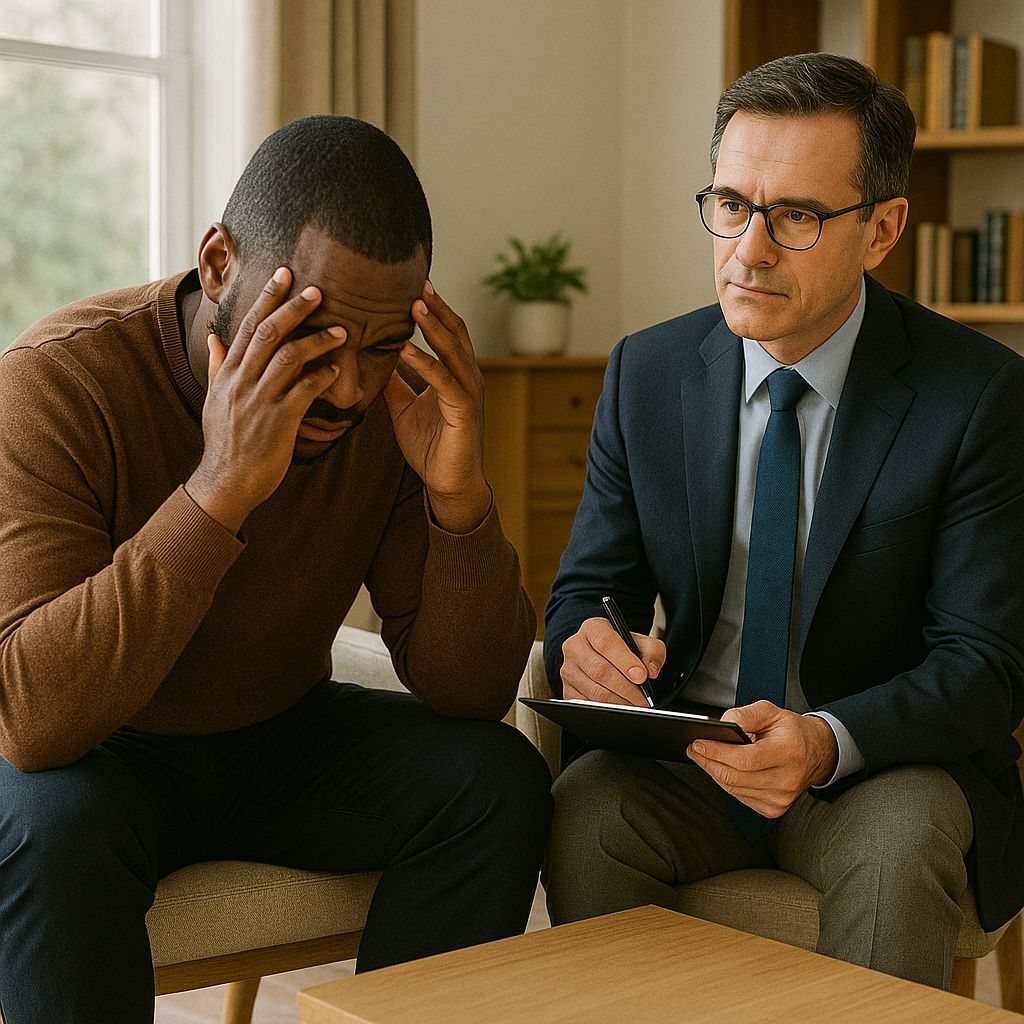
In light of these important observances, a vital message emerges for anyone seeking support for their mental health: please seek guidance from a fully qualified mental health professional. This includes psychiatrists, psychologists, psychotherapists, CBT therapists, and psychiatric nurses. While lived experience can offer valuable perspectives, it is not a substitute for formal credentials and clinical expertise. An expert, by definition, possesses a broad and deep understanding, competence, and skill acquired through dedicated education and practice in a specific field.
The Importance of Formal Expertise
The distinction between informal advice and professional clinical care is not merely semantic; it can have life-altering consequences. Over the years, particularly noticing a trend that began in the UK and is now emerging in New Zealand, I’ve observed a rise in individuals presenting themselves as ‘mental health experts’ on social media platforms like Facebook and LinkedIn, often without formal qualifications or clinical experience. This phenomenon is concerning, especially when contrasted with the rigorous training and ethical frameworks that govern qualified mental health professionals.
Personal Observations and Critical Concerns
I have encountered situations where grieving families have shared that their loved ones, who tragically died by suicide, had received advice—sometimes at significant cost—from individuals with ‘lived experience’ and perhaps a coaching qualification. In contrast, it is less common to hear of such cases where the advice came from formally trained mental health experts. This observation is not to dismiss the value of peer support or the insights gained from personal struggles, but to emphasize that these experiences do not equate to the clinical acumen required to treat complex mental health conditions.
The Stakes of Untreated Mental Illness
Untreated or improperly treated mental illness can indeed be fatal. Therefore, it is paramount that individuals seeking help for their mental health receive advice and treatment from qualified professionals. These experts are equipped with the knowledge, skills, and ethical guidelines to accurately diagnose, treat, and manage mental health conditions. For those unsure where to turn, consulting your General Practitioner or Family Physician is an excellent first step. They can provide referrals to appropriate specialists who can offer the necessary support and care.
Let us all commit to prioritizing evidence-based, professionally guided mental healthcare. If you or someone you know needs support, please reach out to a qualified professional. Your mental wellbeing is too important to leave to chance.
📝 About This Content
This article is based on insights shared by Dr Adam Harrison on LinkedIn.
📅 Originally posted on October 10, 2025 | View original post on LinkedIn →