
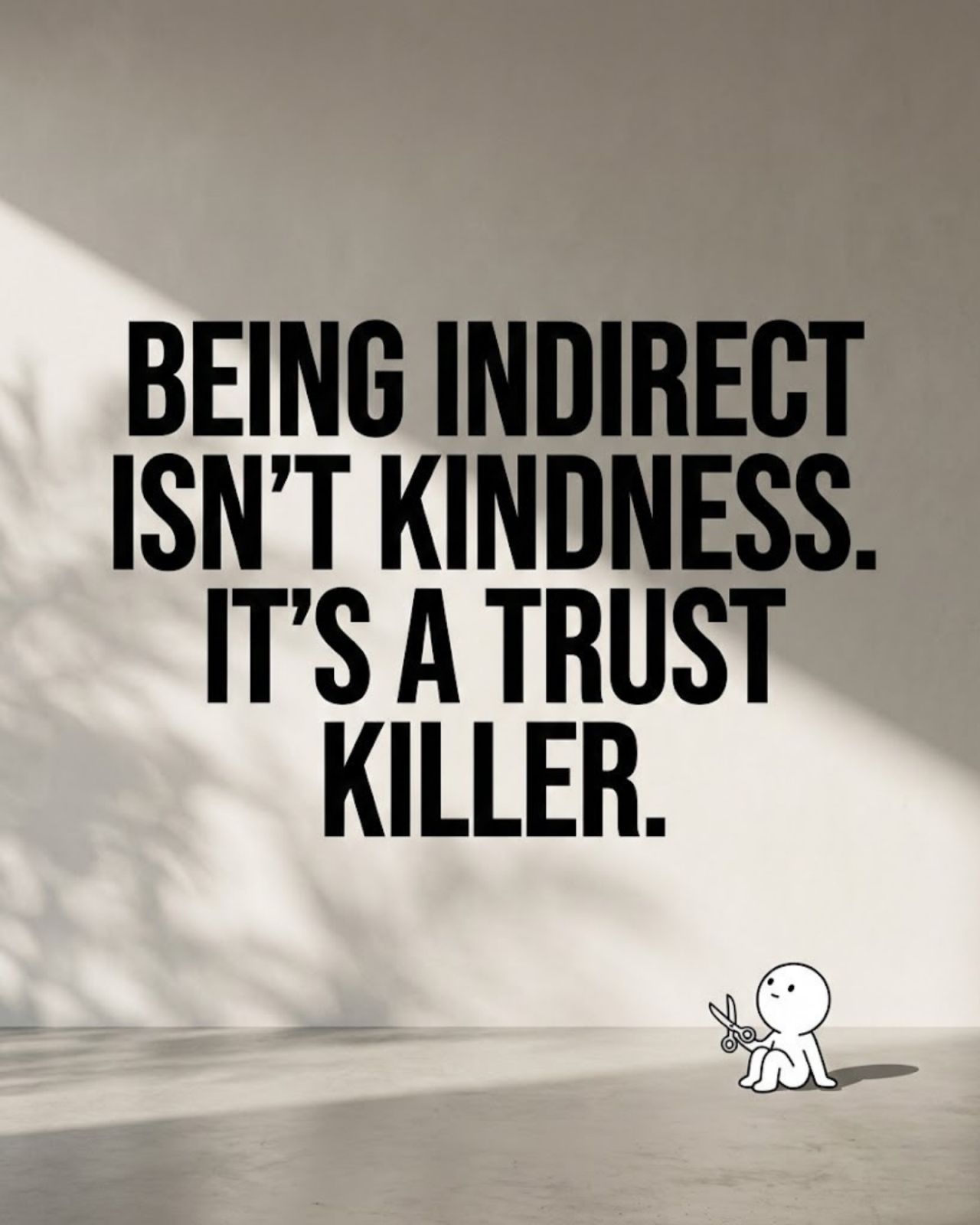
In a recent LinkedIn post, Dror Allouche shares a personal anecdote that led him to re-evaluate professional communication strategies. The post, which details a conversation with his 15-year-old son, highlights the power of directness and the potential pitfalls of overly polite, indirect messaging in both personal and professional settings.
Allouche recounts how his son, needing money for a movie, bypassed elaborate pleasantries for a straightforward request. Instead of the expected “small talk,” his son immediately stated his need. This experience prompted a reflection on how adults often “wrap hard messages in nice words,” a practice Allouche believes can be counterproductive.
“We are taught to wrap hard messages in nice words. We think we are being polite. Actually, we are just being confusing.”
The Case for Clarity Over Politeness
Dror Allouche argues that excessive politeness can erode trust and create impatience. He posits that when individuals engage in lengthy preamble before a difficult request or important piece of information, the listener often tunes out, focusing only on the eventual “but” that signals the main point is coming. This can lead to misunderstandings and a breakdown in effective communication.
According to Allouche, great leaders prioritize understanding over making others guess their intentions. He emphasizes that clarity should be the primary goal, with explanations serving a secondary role.
“When you talk for 5 minutes before asking for a favor, the other person is not listening. They are just waiting for the ‘But.'”
Five Principles for Direct, Non-Rude Communication
To facilitate more effective communication, Dror Allouche outlines five key principles derived from his son’s impactful lesson:
- Stop mixing good and bad news: Allouche advises against embedding criticism within insincere compliments, as this can confuse recipients about what to believe.
- Say the important part first: He recommends starting with the core request or decision before providing context, prioritizing clarity.
- Respect the “No”: Direct leaders, in Dror Allouche’s view, accept direct answers and avoid prolonged negotiation, recognizing that a clear “No” is more valuable than a hesitant “Maybe.”
- Use simple words: Allouche advocates for plain language, suggesting that direct statements like “I need help” or “I made a mistake” are more effective than resorting to overly complex phrasing.
- Trust people: Hiding the truth, according to Allouche, implies a lack of faith in the other person’s ability to handle reality. Conversely, being direct assumes their strength.
The core message Dror Allouche conveys is encapsulated in his statement, “Clear is kind. Unclear is not.” He encourages readers to abandon the practice of softening hard messages with excessive pleasantries, asserting that stakeholders often need truth more than protection from it.
“Your stakeholders don’t need to be protected. They need to know the truth.”
Ultimately, Dror Allouche’s post serves as a compelling reminder that direct, honest communication, when delivered thoughtfully, can foster stronger relationships and more efficient collaboration. He concludes by urging individuals to “Just say it,” reinforcing the value of transparency in leadership and professional interactions.
📝 About This Content
This article is based on insights shared by Dror Allouche on LinkedIn.
📅 Originally posted on January 19, 2026 | View original post on LinkedIn →