
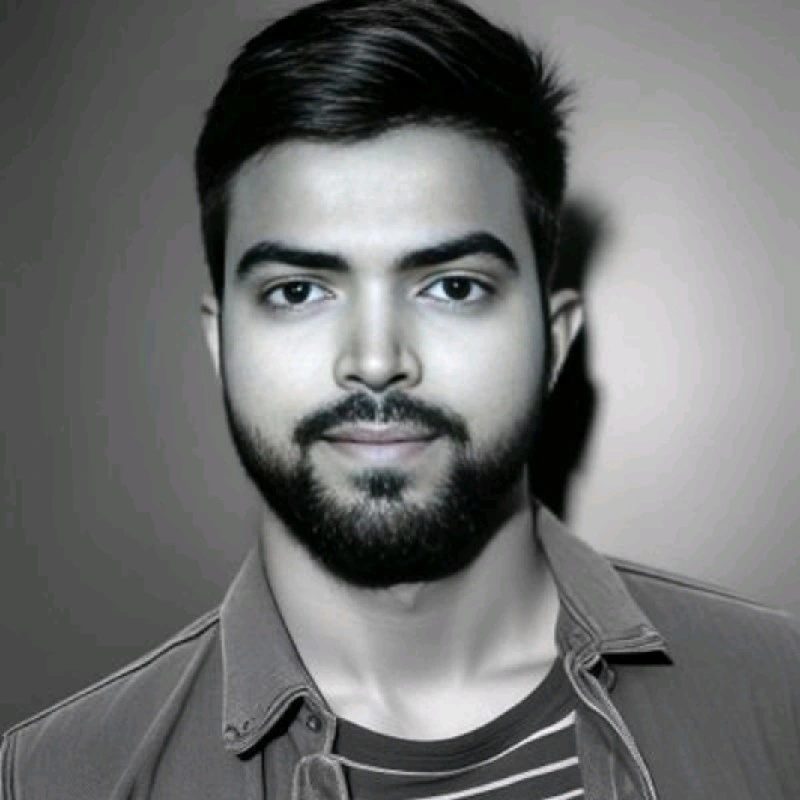
In a recent LinkedIn post, Rahul Kumar explores the critical factors that lead to effective work execution and the importance of dedicated reflection, particularly as the year draws to a close. Kumar emphasizes that work breakdowns are less about insufficient effort and more about a lack of sustained focus.
The Power of Centralized Workflows
Kumar highlights the impact of having a single, unified platform for managing work. Drawing from his experience with WorkElate, he observed a significant benefit when tasks, conversations, and context are consolidated. As Rahul Kumar notes:
“When work lives in one place, the mind feels calmer and execution becomes sharper. No hopping between tools. No chasing updates. Just tasks, conversations, forms, and context flowing together.”
This centralization, according to Kumar, reduces mental overhead and allows for more precise execution. The feeling of calm derived from such a system is presented as a valuable asset, especially during periods of high activity and transition, such as the end of the year.
Intentional Reflection for Future Clarity
Beyond workflow optimization, Kumar advocates for a deliberate reflective practice to process the year that has passed, rather than immediately rushing into new goals. He shares a personal exercise involving simple questions: what worked, what didn’t, and what remains unfinished. Kumar suggests that visualizing this reflection can profoundly shift perspective.
Visualizing Progress and Priorities
Kumar points out the benefits of this visual approach:
“The noise reduced. Patterns became obvious. Priorities felt lighter and more intentional.”
This process, he explains, has been developed into a tool by his team that is now available to others. This tool aims to help individuals convert their yearly reflections into a personal achievement board and to map out a clear roadmap for the future, focusing on what truly matters.
A Purposeful Approach to Planning and Execution
According to Rahul Kumar, the outcome of this focused reflection is not ‘productivity guilt’ or ‘over-planning,’ but rather a state of clarity, direction, and momentum. He personally found that this method provided a more honest assessment of both the past year and the upcoming one. Kumar extends a recommendation to founders, leaders, and anyone focused on driving outcomes:
“Pause for a moment. Reflect. Plan with purpose. Execute with confidence.”
He concludes by posing a question to his audience, encouraging them to consider the lessons they are carrying forward into the next year, reinforcing the theme of intentionality and continuous learning.
📝 About This Content
This article is based on insights shared by Rahul Kumar on LinkedIn.
📅 Originally posted on December 31, 2025 | View original post on LinkedIn →