
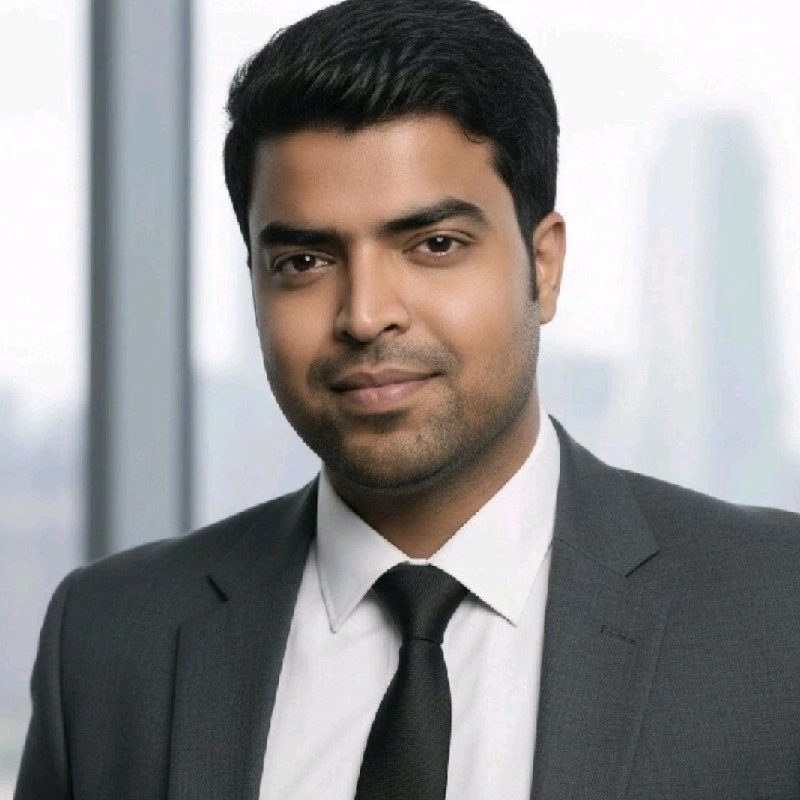
In a recent LinkedIn post, Rahul Kumar outlines a comprehensive roadmap for beginners aiming to master Python within 15 days, emphasizing a structured approach to learning and highlighting a wealth of free resources. Kumar frames this journey as a step-by-step path to building confidence in the programming language.
The roadmap begins with foundational concepts, as Kumar details:
“Start with the basics. Learn how Python works and understand variables data types and user input.”
From there, the post guides aspiring developers through essential programming logic, including conditional statements and control flow. Kumar stresses the importance of loops for repetitive tasks and efficient programming.
Building Blocks of Python Proficiency
Kumar’s plan progresses to data structures, emphasizing the utility of lists, tuples, sets, and dictionaries for organizing and managing information effectively. The importance of functions for creating reusable code blocks, leading to cleaner and more maintainable programs, is also highlighted.
Further steps in the proposed roadmap include mastering file handling for reading and writing data, understanding error handling to ensure code stability, and utilizing modules to extend Python’s capabilities. Kumar also introduces object-oriented programming (OOP) concepts, encouraging the creation of small, real-world models using classes and objects.
“Learn functions. Create reusable blocks of code so your programs become cleaner and easier to maintain.”
The roadmap encourages learners to explore essential libraries such as NumPy, Pandas, and Matplotlib, which are crucial for data analysis and automation tasks. Kumar advocates for a project-based learning approach, suggesting a progression from simple applications like calculators and note apps to more complex data scripts.
The Importance of Daily Practice and Advanced Topics
Consistent practice is a cornerstone of Kumar’s advice. He states:
“Practice daily. Code a little every day and solve small challenges to grow your logic and confidence.”
The post also touches upon reaching an advanced level, suggesting study areas like APIs, databases, automation, and introductory machine learning, tailored to individual career goals. Kumar posits that dedicating just one hour a day to this roadmap can lead to rapid growth.
Leveraging Free Educational Resources
A significant portion of Kumar’s post is dedicated to identifying and promoting free learning materials. He specifically targets students and job seekers looking to enter the IT field, asserting that extensive paid courses are unnecessary.
“Don’t Waste Money on Python Courses – Learn for Free with Top Resources from Google, IBM, & Meta.”
Kumar provides a direct link to a collection of over 7,000 free courses and lists several top-tier free Python courses, including:
- Python for Everybody Specialization
- Crash Course on Python
- Programming in Python
- Get Started with Python
- Python for Data Science, AI & Development
- Google IT Automation with Python Professional Certificate
- Data Analysis with Python
- Databases and SQL for Data Science with Python
He also directs readers to a Telegram channel for PDF resources and encourages them to follow his profile for daily updates on free learning materials.
📝 About This Content
This article is based on insights shared by Rahul Kumar on LinkedIn.
📅 Originally posted on December 11, 2025 | View original post on LinkedIn →