
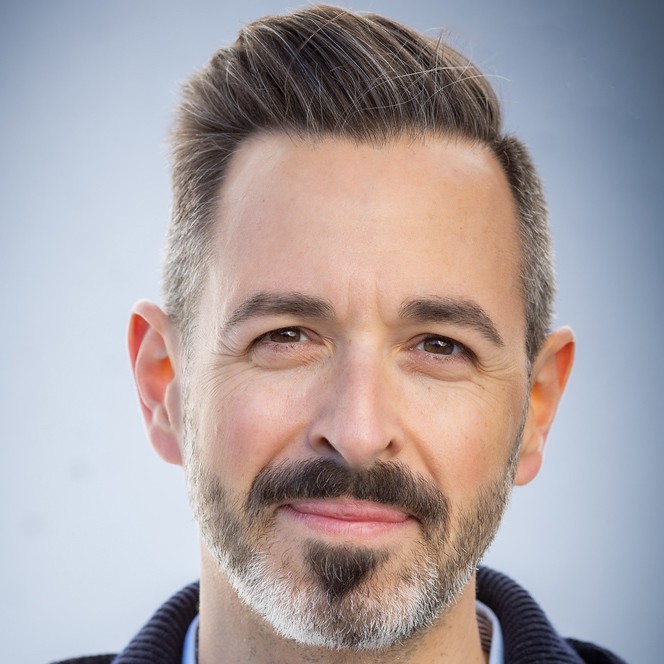
In a recent LinkedIn post, Rand Fishkin discusses the evolving landscape of brand visibility, specifically contrasting the strategies required for ranking in traditional search engines like Google with those needed to gain traction within AI models such as ChatGPT, Claude, and Google’s own AI. Fishkin initially shared a common perception circulating on social media.
Shifting Perspectives on AI Visibility
Fishkin began by acknowledging a prevailing sentiment he observed on his LinkedIn feed, which suggested that the tactics for achieving brand presence in AI models were identical to those for topping Google’s organic search rankings. This widely held belief implied a direct transferability of SEO expertise into the realm of artificial intelligence interfaces.
However, Fishkin’s perspective underwent a significant shift after attending a presentation by Michael King on the subject. This encounter prompted Fishkin to re-evaluate his understanding and publicly share his updated insights with his network.
“I was pretty convinced by my LinkedIn feed that it was the same tactics, same process.”
This quote encapsulates Fishkin’s initial alignment with the popular view before his encounter with King’s presentation. The implication was that established SEO practices would suffice for AI visibility.
The Crucial Differences Highlighted
Following his realization, Fishkin strongly recommended that his audience engage with Michael King’s presentation, which is now available on YouTube. He emphasized the critical nature of understanding the distinctions between AI and traditional search engine optimization, particularly for businesses and professionals concerned with their online presence.
According to Fishkin, the insights shared by King were transformative and offered a clear path forward for those seeking to optimize their brands for AI interactions. He expressed confidence in the value of this information, stating:
“If this matters at all to your business, work, or clients, I urge you to watch his talk, now live on YouTube. I guarantee you’ll learn a ton about the differences and how to optimize for AI visibility.”
Fishkin’s endorsement underscores a growing need for specialized knowledge in navigating AI-driven information retrieval. He posits that simply applying old SEO playbooks is insufficient.
The Need for Specialized AI Strategies
Rand Fishkin’s post serves as a crucial signal to marketers, business owners, and content creators. It highlights that the strategies for achieving visibility within large language models (LLMs) and generative AI are not a mere extension of traditional Search Engine Optimization (SEO). Instead, they represent a distinct discipline requiring new approaches and a deeper understanding of how these AI systems process and present information.
Fishkin points out that while the goal might seem similar – to be found and utilized by users – the underlying mechanisms and optimization techniques are fundamentally different. This distinction is vital for anyone aiming to ensure their brand, products, or services are discoverable and relevant in the increasingly AI-centric digital ecosystem.
By directing his audience to Michael King’s presentation, Fishkin is not just sharing an observation; he is guiding them toward actionable intelligence. This proactive approach, as detailed in his LinkedIn update, demonstrates a commitment to helping his network adapt to the rapidly changing technological landscape.
📝 About This Content
This article is based on insights shared by Rand Fishkin on LinkedIn.
📅 Originally posted on January 26, 2026 | View original post on LinkedIn →