
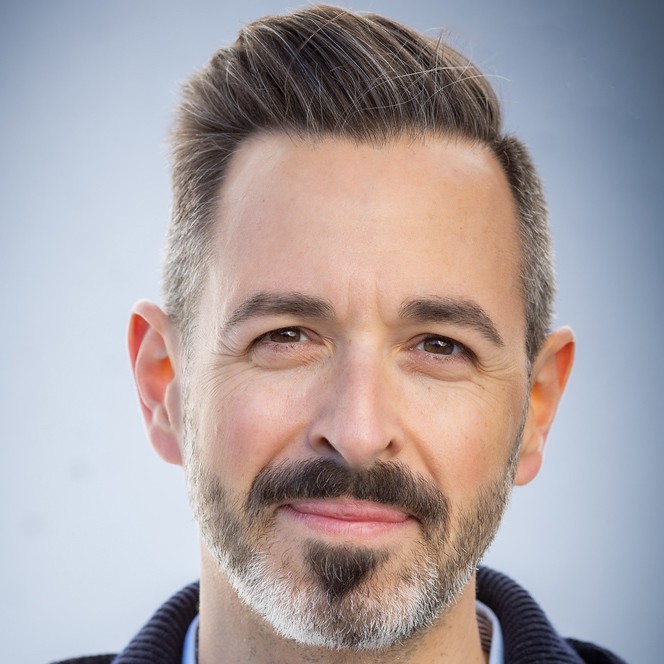
In a recent LinkedIn post, Rand Fishkin strongly refutes the notion that the growing trend of “zero-click marketing” can be solved by simply focusing on being human-centric. Fishkin, a prominent figure in the SEO and marketing world, argues that this perspective fundamentally misunderstands the nature and implications of zero-click environments.
Understanding the Zero-Click Phenomenon
Fishkin begins by dissecting what he believes zero-click marketing truly entails. He identifies two primary drivers: a decade-long shift in user behavior where people increasingly prefer native content within platforms over clicking external links, and the inherent limitations imposed by many platforms that either disallow links entirely or actively de-prioritize them in their algorithms.
“Over the last 10 years, people have been trained NOT to click on links. Humans now prefer to scroll natively in platforms vs. following links to the web.”
He further elaborates on the platform-driven aspect, noting that many popular channels are not conducive to link-based traffic.
“Many platforms no longer enable links at all (TikTok, Instagram, many subReddits, YouTube, lots of AI answers) and almost every other one biases against links in their algos or information display (Google, Facebook, LinkedIn, Threads, Twitter, etc.)”
The Algorithmic Imperative
Contrary to the idea of optimizing for people, Fishkin asserts that the zero-click reality necessitates a focus on algorithms. He contends that machines are increasingly controlling information access, whether through zero-click search results, AI-generated answers, or social media feeds. This, in his view, makes optimizing for algorithmic visibility the primary strategic imperative.
Challenging the ‘Human-Centric’ Argument
Fishkin directly challenges the argument that optimizing for machines is inherently anti-human. While acknowledging that platforms might indirectly optimize for human engagement, he argues that this is a secondary effect driven by complex, often opaque, machine-learning processes motivated by monetization and Wall Street metrics, rather than genuine user preference.
“Now tell me how the Fudge that means you should optimize for people?! If anything, it means algorithms control information access more than ever.”
He questions whether the content prioritized by these platforms truly aligns with what users *want*, or if it’s merely what maximizes key performance indicators for the companies involved.
The Path Forward: Algorithmic Acumen
Fishkin’s ultimate recommendation is pragmatic: marketers and content creators must adapt to the algorithmic landscape. He advises a strategic approach that prioritizes understanding and optimizing for these algorithms, while simultaneously attempting to align these efforts with genuine user interests where possible.
“Right. So learn the algos. Watch the algos. Optimize for the algos. And when/where you can, overlap that with what people want, too. But don’t think you can ignore machines 🙄”
In conclusion, Rand Fishkin’s analysis on LinkedIn presents a stark warning against a simplistic, human-centric approach to zero-click marketing. He urges professionals to develop a deep understanding of algorithmic mechanics as the most effective strategy in today’s evolving digital environment.
📝 About This Content
This article is based on insights shared by Rand Fishkin on LinkedIn.
📅 Originally posted on December 18, 2025 | View original post on LinkedIn →