
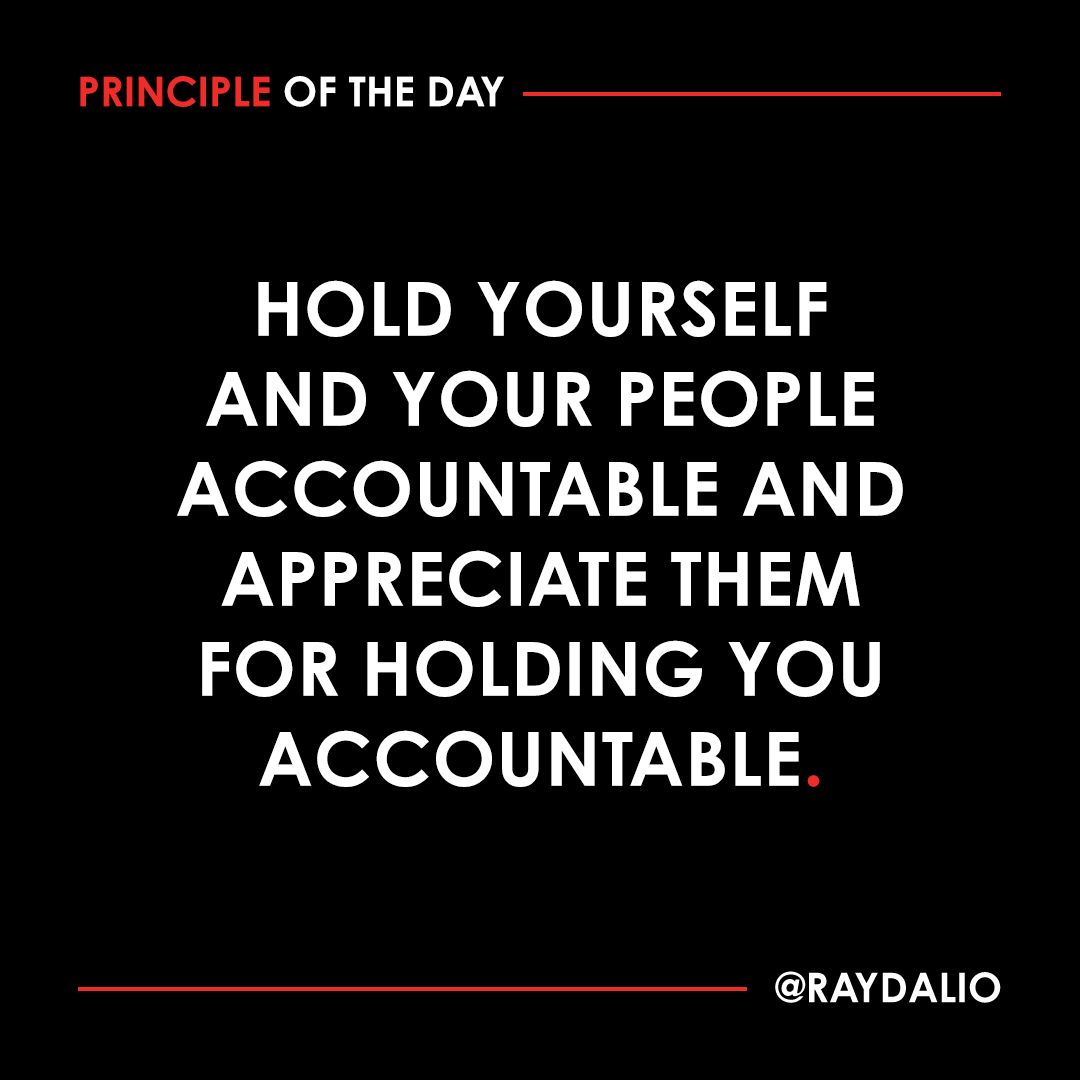
In a recent LinkedIn post, Ray Dalio offers a nuanced perspective on the concept of holding individuals accountable in a professional setting. Dalio, the founder of Bridgewater Associates, emphasizes that true accountability is not about micromanagement or expecting unattainable perfection, but rather a process rooted in understanding, alignment, and appropriate action.
Dalio begins by defining what accountability entails, stating:
“Holding people accountable means understanding them and their circumstances well enough to assess whether they can and should do some things differently, getting in sync with them about that, and, if they can’t adequately do what is required, removing them from their jobs.”
This definition immediately sets a tone that distinguishes his approach from more punitive or superficial interpretations of accountability. According to Dalio, the process is multi-faceted, requiring a deep comprehension of the individual’s situation before any judgment or action is taken.
The Nuances of Performance Assessment
Dalio further elaborates on the practical application of accountability, distinguishing it from less effective management styles. He argues against a rigid, one-size-fits-all approach, particularly when individuals are already under significant pressure.
As Dalio notes:
“It is not micromanaging them, nor is it expecting them to be perfect (holding particularly overloaded people accountable for doing everything excellently is often impractical, not to mention unfair).”
This point highlights Dalio’s belief in fairness and practicality in leadership. Expecting flawless performance from already overburdened employees, in his view, is not only unrealistic but also unjust. This suggests that effective leaders must consider the workload and context of their team members when evaluating their performance and assigning responsibility.
Alignment and Action in Accountability
A key component of Dalio’s framework for accountability is the emphasis on alignment. He posits that before any consequences are considered, there must be a clear understanding and agreement between the leader and the employee regarding expectations and the path forward. This involves open communication and a shared vision for how tasks should be executed or improved.
In Dalio’s view, the process is iterative:
“getting in sync with them about that, and, if they can’t adequately do what is required, removing them from their jobs.”
This suggests that accountability is not a static judgment but an ongoing dialogue. The final step, removing an employee, is presented not as a first resort but as a last measure when genuine efforts to align and improve performance have failed. This approach underscores a commitment to development and support before resorting to termination, reflecting a mature and thoughtful leadership philosophy.
Dalio’s insights, shared through his LinkedIn post, offer valuable guidance for leaders seeking to foster a culture of genuine accountability. By focusing on understanding, fairness, and clear communication, organizations can move beyond superficial metrics to build more effective and supportive work environments.
📝 About This Content
This article is based on insights shared by Ray Dalio on LinkedIn.
📅 Originally posted on March 19, 2026 | View original post on LinkedIn →