
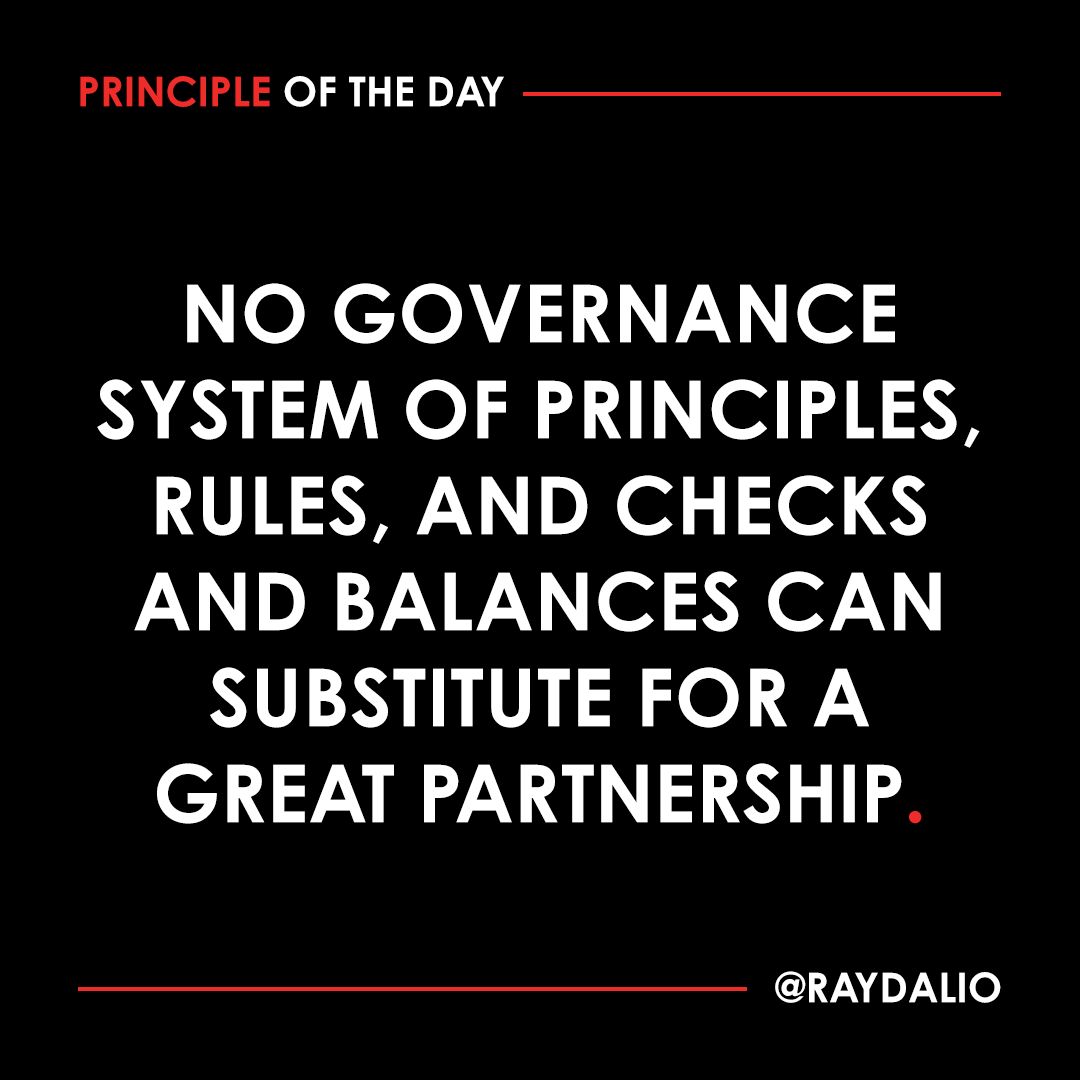
In a recent LinkedIn post, Ray Dalio discusses the critical importance of capable individuals in positions of power to uphold organizational principles and foster effective governance. The veteran investor and founder of Bridgewater Associates stressed that even the most robust systems of rules and checks can falter without the right people at the helm, particularly those who are inherently motivated to act for the collective good.
The Foundation of Effective Leadership
Dalio argues that the success of any organizational framework hinges on the quality of its leadership. He posits that principles, rules, and checks and balances are insufficient on their own if not wielded by individuals who possess the right character and capabilities. According to Dalio, these leaders must possess an innate drive to serve the community or organization, operating within the bounds of agreed-upon principles.
“All these principles, rules, and checks and balances won’t be worth much if you don’t have capable people in positions of power who instinctually want to operate for the good of the community based on the agreed-upon principles.”
This statement underscores Dalio’s belief that ethical intent and a commitment to the collective good are foundational elements that cannot be substituted by mere procedural mechanisms. He highlights that the effectiveness of governance structures is directly proportional to the integrity and capability of those who implement and enforce them.
Essential Qualities of Leaders
Delving deeper into the attributes of effective leaders, Dalio outlines specific qualities necessary for navigating complex organizational dynamics. He emphasizes a triad of essential characteristics: wisdom, competence, and the ability to foster collaborative yet rigorous working environments.
As Ray Dalio notes, leaders must demonstrate:
- Wisdom
- Competence
- The ability to have close, cooperative, and effective working relationships
He further elaborates on the nature of these relationships, highlighting the importance of a balance between constructive conflict and unified action.
“A company’s leaders must have wisdom, competence, and the ability to have close, cooperative, and effective working relationships characterized by both thoughtful disagreement and commitment to following through with whatever the ideameritocratic process decides.”
In Dalio’s view, this capacity for ‘thoughtful disagreement’ is crucial. It suggests a culture where diverse perspectives are welcomed and debated rigorously, but once a decision is made through an ‘ideameritocratic process’—a system where the best ideas win, regardless of who proposed them—there must be a unified commitment to execution. This balance ensures that innovation is encouraged while maintaining organizational cohesion and decisiveness.
The Role of Ideameritocracy
The concept of ‘ideameritocracy,’ as mentioned by Dalio, is central to his vision of effective leadership and organizational functioning. This system prioritizes the merit of ideas over the status or seniority of the individual proposing them. Leaders, in Dalio’s framework, must champion such a process, ensuring that decisions are made based on the best available thinking and evidence.
According to Dalio, the commitment to follow through on decisions generated by this process is as vital as the decision-making itself. This implies a culture of accountability and execution, where constructive debate leads to clear directives that are then pursued with collective effort.
Ultimately, Ray Dalio’s insights on LinkedIn serve as a potent reminder that while systems and structures are important, the human element—specifically, the caliber and integrity of leadership—remains the most significant determinant of an organization’s ability to thrive and adhere to its core principles.
📝 About This Content
This article is based on insights shared by Ray Dalio on LinkedIn.
📅 Originally posted on July 25, 2026 | View original post on LinkedIn →