
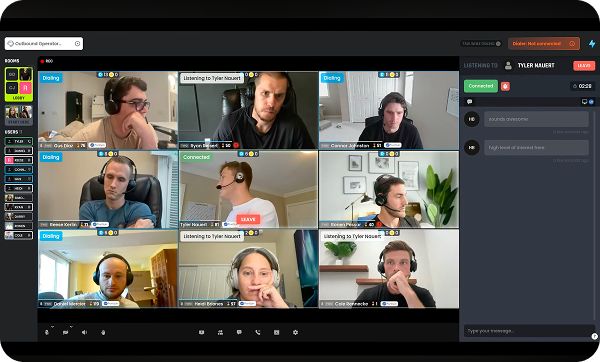
In a recent LinkedIn post, Ryan 🏋️☎️ Reisert discusses a critical, yet often overlooked, shift that can significantly impact sales team performance: moving from post-call feedback to real-time coaching during calls.
Reisert highlights a common managerial pitfall where feedback is delivered after a sales call has concluded. This approach, he argues, often leads to the representative internalizing the feedback as mere criticism rather than actionable guidance.
“Rep hears the feedback. Brain recognizes it as criticism.”
This reaction, according to Reisert, can put the sales representative on the defensive for subsequent calls, preventing them from being fully present and receptive to genuine coaching.
The Pitfalls of Delayed Feedback
Reisert elaborates on the negative cycle created by delayed feedback. When a representative receives critique after the fact, their mental state can become preoccupied with defending their past performance or feeling discouraged. This internal monologue detracts from their ability to focus on the current interaction.
Impact on Representative Presence
As Reisert points out, this can lead to a disconnect:
“Next call, rep’s in their head, not present.”
This lack of presence can hinder their ability to adapt to customer needs in real-time, build rapport, and effectively navigate sales conversations. The opportunity for immediate improvement is lost, and the learning process becomes significantly less efficient.
The Power of In-the-Moment Coaching
The core of Reisert’s argument centers on the transformative power of coaching that occurs during the sales call. He posits that this real-time intervention is far more effective in driving behavioral change and fostering continuous learning.
Real-Time Adjustments and Compounding Learning
According to Reisert, providing guidance as the call unfolds allows the representative to make immediate adjustments. This direct experience creates a powerful feedback loop.
“Rep gets the nudge in real-time. Adjusts immediately.”
This immediate reinforcement helps the brain connect specific actions with their outcomes. As Reisert explains, this leads to a more robust and accelerated learning process.
“Brain goes: ‘Oh, when I do that, THIS happens.’ Learning compounds.”
Reisert advocates for managers to embrace this proactive, in-the-moment approach, suggesting it is the key to unlocking a representative’s full potential and fostering a culture of continuous improvement. He concludes with a clear call to action, urging managers to prioritize live coaching over retrospective analysis.
📝 About This Content
This article is based on insights shared by Ryan 🏋️☎️ Reisert on LinkedIn.
📅 Originally posted on May 4, 2026 | View original post on LinkedIn →