
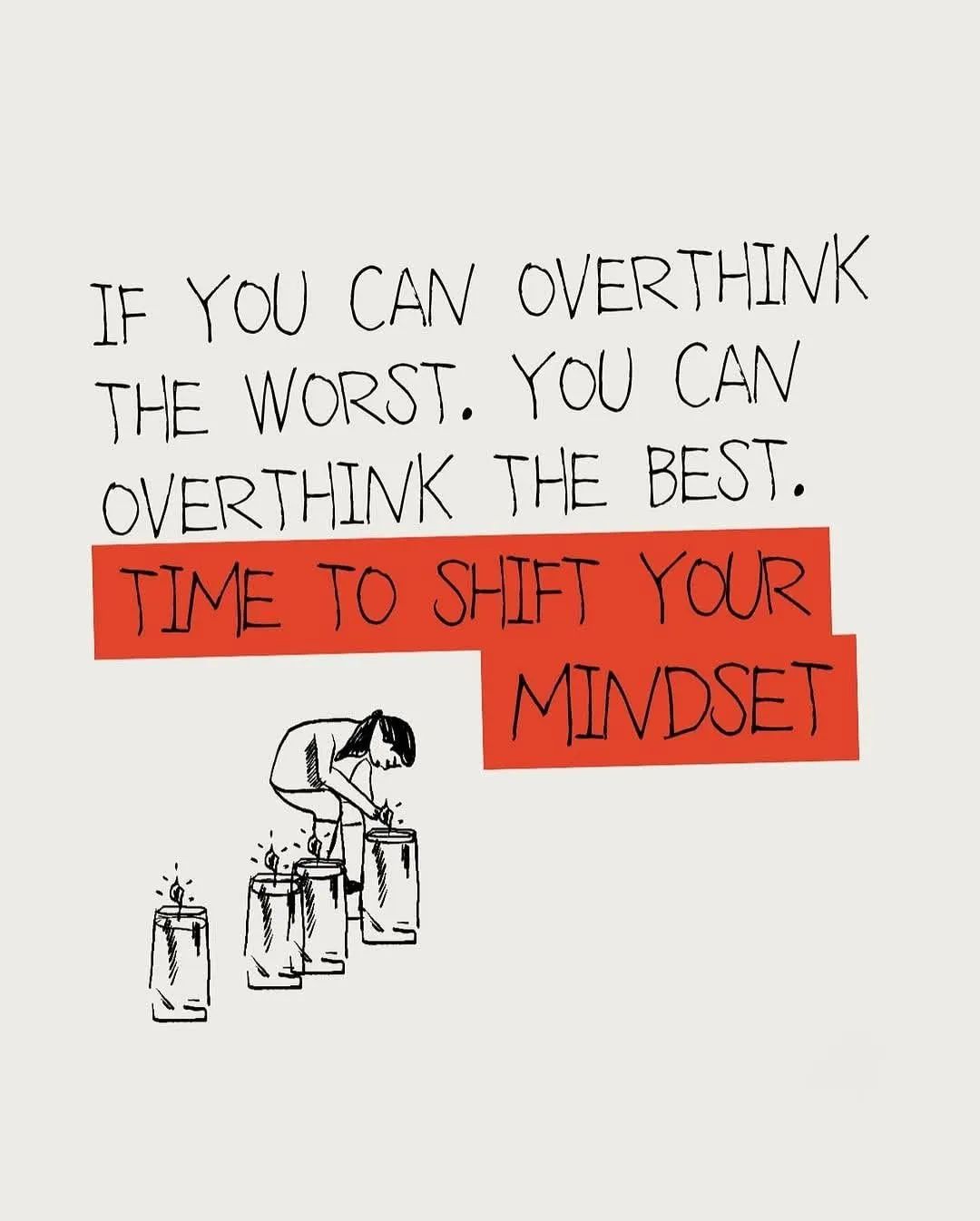
In a recent LinkedIn post, Noemi Kis✨ offers a compelling reframing of a common entrepreneurial challenge: overthinking. Rather than viewing it solely as a negative trait, Kis✨ argues that the ability to deeply consider potential outcomes can be a significant strategic advantage if directed effectively.
“If you can overthink the worst-case scenario, You can overthink the best. It’s the same skill. Just pointed in a different direction.”
The Entrepreneurial ‘Superpower’ of Scenario Planning
Kis✨ highlights the tendency for many entrepreneurs to engage in what they term ‘catastrophizing’ – repeatedly running through worst-case scenarios in their minds. This often manifests as anxieties about failure, financial insecurity, or public perception. However, Kis✨ posits that this intense focus on potential problems is not a weakness but a core entrepreneurial strength.
“That’s actually a superpower,” Kis✨ writes. “The ability to see problems before they happen? To think through scenarios and plan for obstacles? To anticipate what could go wrong? That’s strategic thinking. It’s risk assessment.” According to Kis✨, this capacity for deep analysis and foresight is precisely what enables entrepreneurs to navigate the inherent risks of building a business.
Shifting Focus: From Catastrophe to Success
The turning point in Kis✨’s perspective came from a mentor who pointed out that the issue wasn’t the overthinking itself, but its singular direction. The advice was to redirect that same mental energy towards envisioning positive outcomes.
“Noemi, the problem isn’t that you overthink. It’s that you’re overthinking in only ONE direction.”
Kis✨ encourages readers to apply this reframing by dedicating equal mental real estate to the best-case scenarios. This involves asking questions like:
- What if this works beyond my expectations?
- What if I’m actually really good at this?
- What if this is easier than I think?
- What if this changes everything?
The core message is that the brain will invest its energy into whatever narrative it’s fed. By consciously choosing to focus on potential success with the same detail applied to potential failure, entrepreneurs can harness their innate analytical skills for growth.
Practical Steps for Reframing Thoughts
To help individuals manage spiraling thoughts, Kis✨ suggests a practical, actionable approach:
- Write down your worst fear, then write its opposite.
- Spend 5 minutes visualizing what success looks like.
- Counter every “what if it fails?” with “what if it doesn’t?”
- Give your best-case scenario the same detail as your worst.
As Kis✨ concludes, “Your brain will work just as hard on whatever story you feed it. Make sure it’s the right one.” This perspective empowers entrepreneurs to see their tendency to analyze deeply not as a flaw, but as a tool that, when properly directed, can be instrumental in achieving extraordinary success.
📝 About This Content
This article is based on insights shared by Noemi Kis✨ on LinkedIn.
📅 Originally posted on November 18, 2025 | View original post on LinkedIn →