
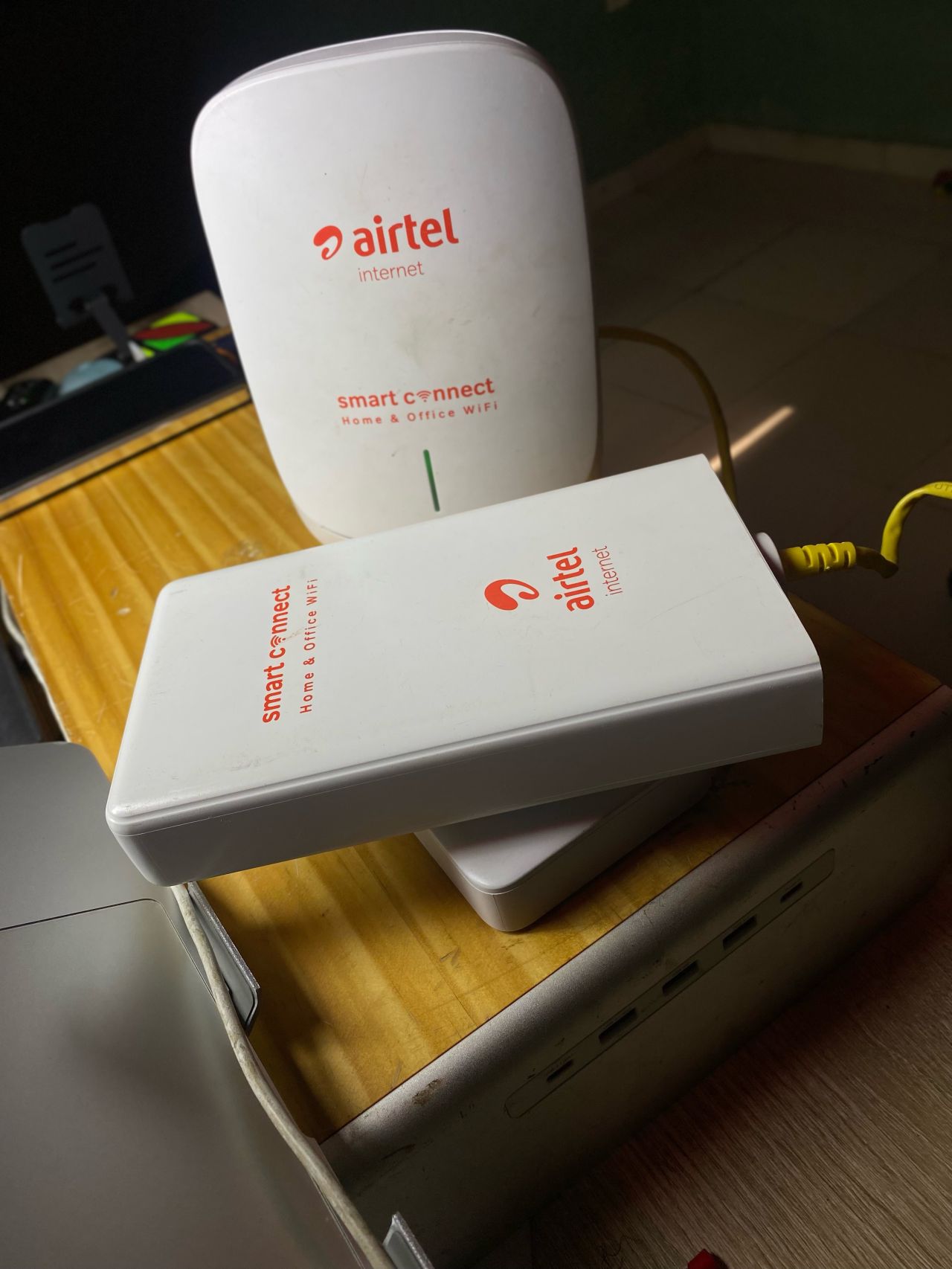
In a recent LinkedIn post, Idris Akinlabi , PHRi™ MCIB discusses the critical impact of unreliable mobile network services on remote workers, highlighting a growing frustration with service providers who fail to deliver on advertised quality.
Akinlabi, who identifies as a remote worker, expressed his dissatisfaction with the performance of major network providers in his area, specifically calling out Airtel and MTN. He questions the value proposition of paying for services like “5G” when basic functionalities, such as participating in a Google Meet call, become a struggle.
“It’s high time we started holding these service providers accountable. How do I pay for “5G” and still struggle to make a simple Google Meet call?”
The Livelihood Impact of Poor Connectivity
The core of Akinlabi’s concern stems from the direct interference of poor network service with his ability to work. He emphasizes that for remote professionals, reliable internet is not a luxury but a fundamental necessity for their income and professional standing.
As Idris Akinlabi , PHRi™ MCIB points out, the issue goes beyond mere inconvenience:
“I WORK REMOTELY. THIS ISN’T AN INCONVENIENCE ANYMORE, IT’S INTERFERING WITH MY LIVELIHOOD.”
This statement underscores the significant professional and financial consequences that can arise from inadequate service, particularly in an era where remote work has become a widespread and accepted employment model.
Accountability and Consumer Rights
Akinlabi calls for greater accountability from telecommunications companies. He argues that consumers should receive the service they pay for, especially when it directly impacts their ability to earn a living.
“We pay for data. We should be able to use it.”
According to Idris Akinlabi , PHRi™ MCIB, the disparity between the advertised capabilities of network services and the actual user experience is a cause for serious concern. He suggests that the current situation warrants a re-evaluation of the relationship between service providers and their customers, particularly those whose professional lives are dependent on consistent connectivity.
The Broader Implications for Remote Work
The insights shared by Idris Akinlabi , PHRi™ MCIB resonate with a growing number of professionals who rely on stable internet for their daily work. The challenges he describes could potentially hinder the continued growth and adoption of remote work if reliable infrastructure is not consistently provided across different regions. His post serves as a stark reminder to service providers of their responsibility to ensure that their networks can support the evolving needs of the modern workforce.
📝 About This Content
This article is based on insights shared by Idris Akinlabi , PHRi™ MCIB on LinkedIn.
📅 Originally posted on September 15, 2026 | View original post on LinkedIn →