
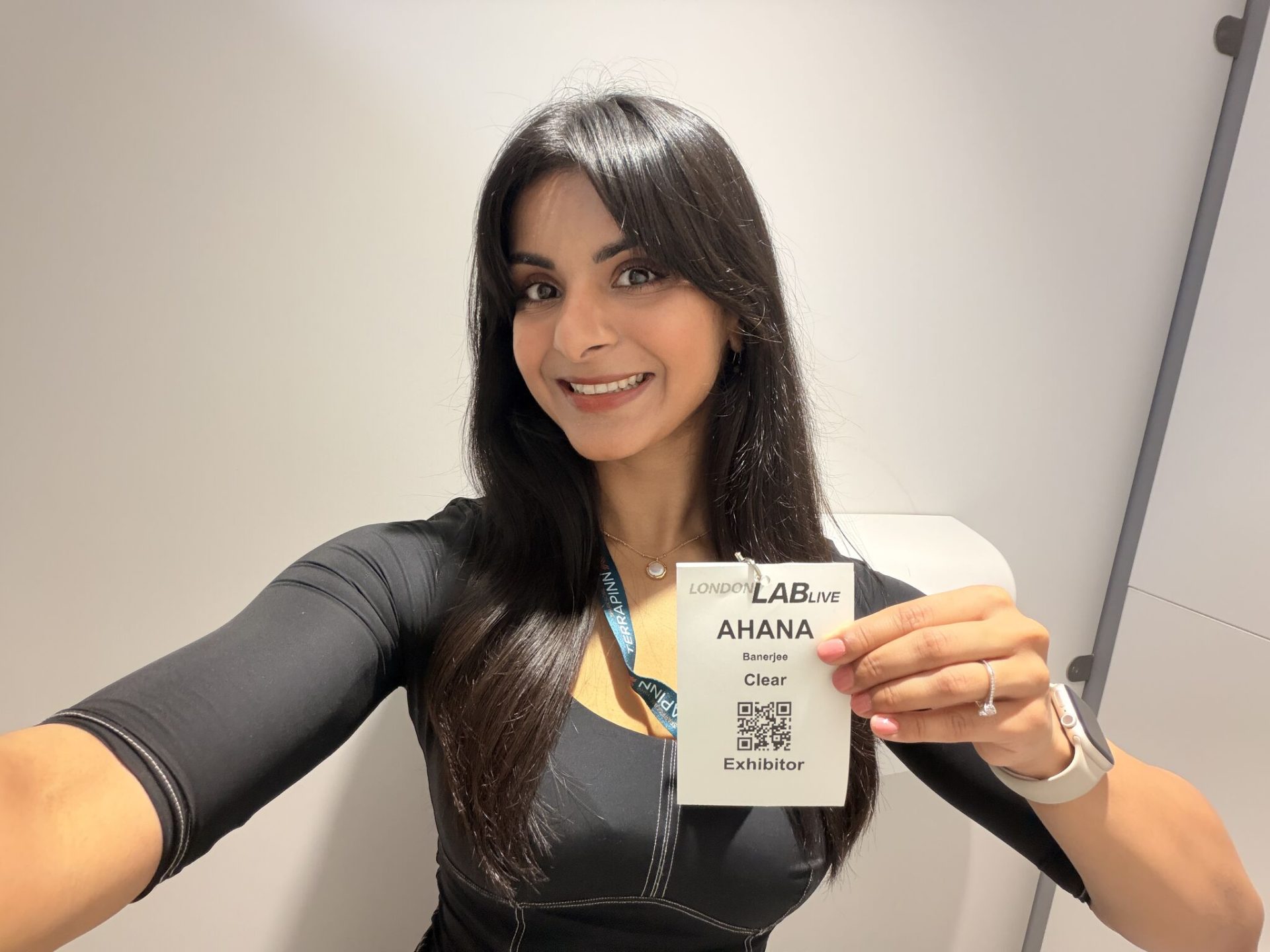
In a recent LinkedIn post, Ahana Banerjee explores the often-contentious role of exhibitions and conferences for startups, sharing her experience exhibiting her company, Clear, at London Lab Live. Banerjee challenges conventional wisdom, suggesting that strategic positioning and an open mind can yield significant benefits, even when exhibiting outside a company’s typical industry bubble.
The effectiveness of trade shows is a subject of ongoing debate within the startup community, a point Banerjee acknowledges. She notes that even her mentors hold divergent views on their value. “I’ve literally seen my own mentors debate them amongst themselves – some swear by them, others think they’re a complete waste of time (and money),” she writes. Banerjee herself admits to not attending many such events but emphasizes her commitment to keeping an open mind and occasionally testing new approaches.
Strategic Positioning as a Key Differentiator
Banerjee’s decision to exhibit Clear, a skincare app, at London Lab Live, a conference focused on laboratory science, might seem unconventional. However, she strategically reframed Clear’s identity for this audience. Instead of presenting it solely as a skincare app, she highlighted its function as a “skin health data platform tracking consumer outcomes at scale, to generate insights across dermatology, pharma, and real-world treatment behaviour.” This pivot in messaging, Banerjee argues, dramatically altered the nature of the conversations she had.
“Positioning matters massively. I leaned much more into the data science, health-tech, AI, and infrastructure side of Clear, and the conversations instantly changed.”
This experience underscores Banerjee’s first key takeaway: the immense importance of how a company’s value proposition is presented. By focusing on the data science, health-tech, and infrastructure aspects, Clear resonated with an audience beyond the usual beauty and consumer sector. This allowed for discussions with pharma teams interested in real-world outcomes, lab managers focused on patient data, and researchers exploring AI and imaging applications.
Leveraging Adjacent Industries and Open-Mindedness
Banerjee’s second and third learnings emphasize the power of engaging with adjacent industries and maintaining intellectual curiosity. She found that valuable conversations emerged from individuals in fields such as robotics, diagnostics, and industrial-scale science, who were grappling with similar challenges in data management and scaling operations.
“Adjacent industries are often solving the same scaling, operational, and data problems. And, there’s nothing wrong with occasional learning just for the sake of learning. Curiosity is important.”
She also highlighted the effectiveness of smaller, interactive booths, particularly when equipped with inexpensive, engaging freebies. In Clear’s case, moisturizer samples served as an effective icebreaker, facilitating conversations. This suggests that even with limited resources, a well-thought-out presence can be impactful.
The experience led Banerjee to reflect on the blurring lines between consumer technology, healthcare, AI, and scientific infrastructure. She concludes that this convergence creates a dynamic and exciting environment for companies like Clear.
“I actually left thinking a lot about how quickly the lines between consumer apps, healthcare, AI, diagnostics, and scientific infrastructure are starting to blur.”
Banerjee’s insights offer a valuable perspective for startups navigating the complexities of marketing and business development. Her experience at London Lab Live demonstrates that by strategically repositioning their offerings and embracing opportunities for cross-industry learning, startups can unlock new avenues for growth and insight, even in seemingly unconventional settings.
📝 About This Content
This article is based on insights shared by Ahana Banerjee on LinkedIn.
📅 Originally posted on May 8, 2026 | View original post on LinkedIn →