
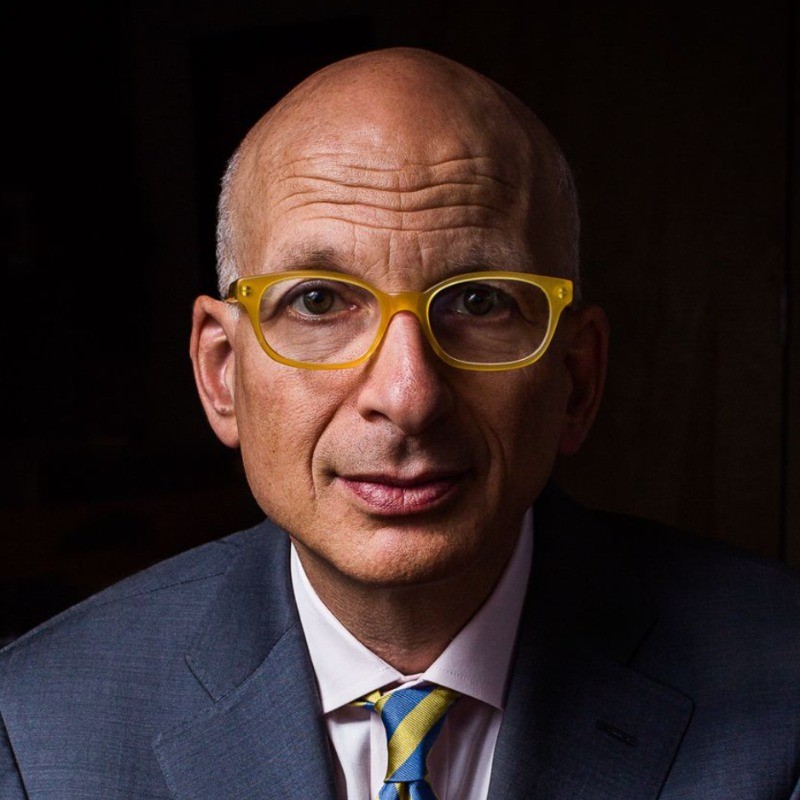
In a recent LinkedIn post, Seth Godin 🌔 discusses the evolving role of public libraries in the digital age, questioning whether they are still relevant or merely a repository for outdated media. Godin 🌔 challenges the traditional perception of libraries, particularly in light of declining DVD transactions, and proposes a new definition centered on community, education, and access to essential tools.
Godin 🌔 opens by posing a provocative question about the very purpose of these institutions: “Is this where books go to die?” He highlights a significant shift, noting that “until recently, more than a third of their transactions were for DVDs.” This observation serves as a springboard to explore how libraries, despite changes in media and societal needs, have often struggled to adapt their core functions, funding, and physical structures.
The Library as a Hub for Possibility
The core of Godin 🌔’s argument reframes the library not as a passive archive, but as an active center for growth and connection. He posits that the modern library’s true value lies in fostering an “aura of possibility.” This goes beyond simply providing access to information, which is now abundant and easily accessible online.
As Seth Godin 🌔 argues:
“The modern library is about community, education and access to tools.”
This perspective shifts the focus from the physical collection of items to the services and experiences the library offers. It emphasizes the library’s role in empowering individuals and strengthening social bonds.
Beyond Data: Cultivating What’s Scarce
Godin 🌔 differentiates the library’s unique contribution from the readily available digital landscape. He points out that in an era saturated with data, what is truly scarce and valuable is “possibility.” Libraries, in his view, are uniquely positioned to cultivate this scarcity by offering resources and environments that inspire learning, creativity, and personal development.
He elaborates on this by stating:
“[The library] creates an aura of possibility and engages with what’s really scarce—possibility, not data.”
This suggests that libraries should be seen as catalysts for innovation and personal fulfillment, providing the tools and support necessary for individuals to explore new ideas and achieve their goals. This could include access to technology, workshops, co-working spaces, and community programs.
Adapting to Evolving Needs
The post implies that for libraries to thrive, they must continue to adapt to the changing needs of their communities. The traditional model, heavily reliant on physical media and quiet study spaces, may no longer be sufficient. Instead, libraries can leverage their existing infrastructure and community trust to become dynamic centers for lifelong learning and civic engagement.
Seth Godin 🌔’s insights encourage us to look beyond the shelves and consider the broader impact libraries can have. By focusing on community building, accessible education, and fostering an environment of possibility, libraries can reaffirm their vital role in society.
📝 About This Content
This article is based on insights shared by Seth Godin 🌔 on LinkedIn.
📅 Originally posted on August 6, 2026 | View original post on LinkedIn →