
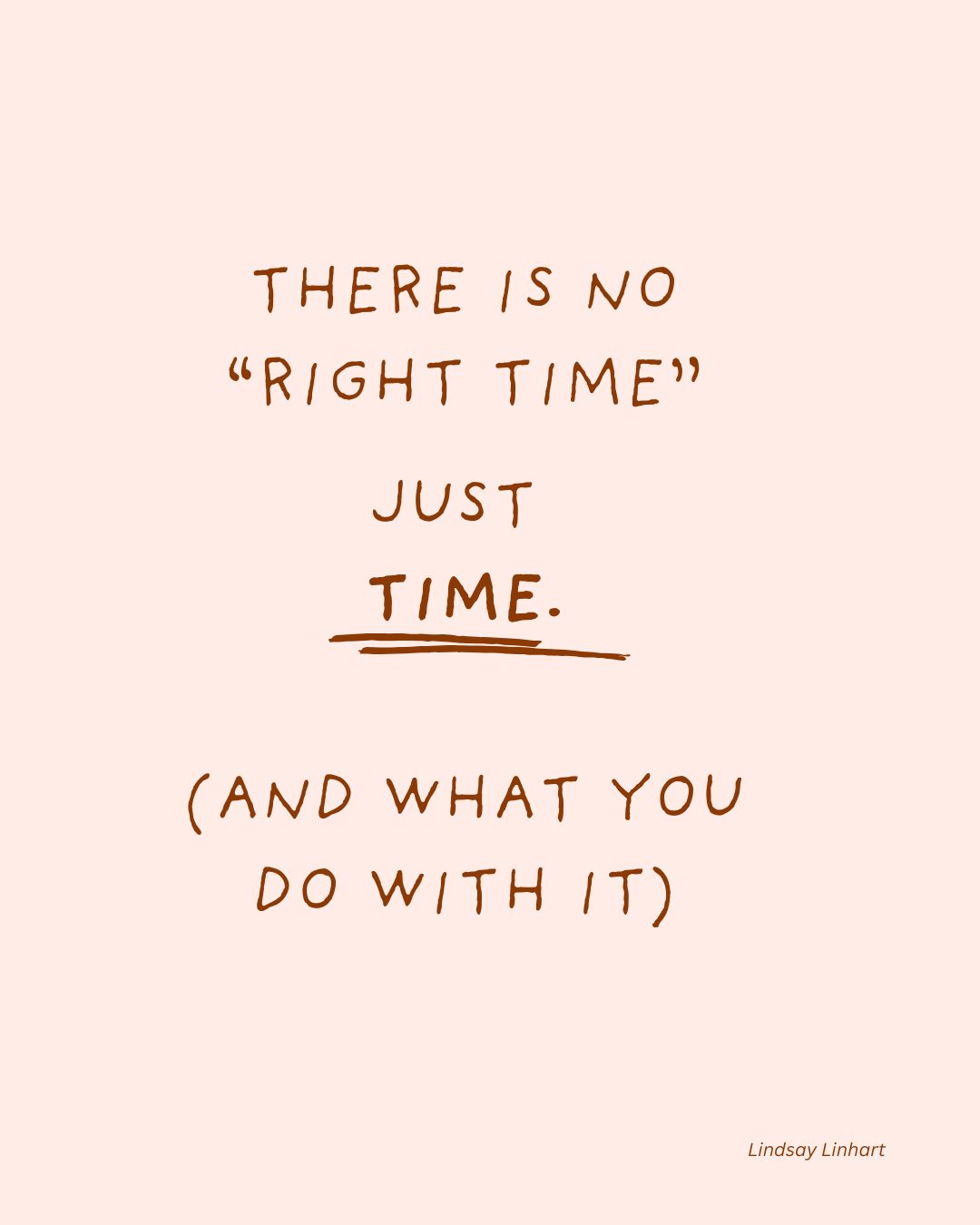
In a recent LinkedIn post, Lindsay Linhart explores a common dissatisfaction many professionals feel with their careers and offers a perspective shift on how work can become a source of energy rather than something to endure. Linhart challenges the conventional notion that work is merely a means to an end, to be survived until retirement or the weekend.
Linhart begins by posing a provocative question about the nature of our professional lives:
Most people build a work life they need to escape from. But what if Friday didn’t feel like recovery mode?
This opening immediately frames the discussion around the idea that a significant portion of our lives is dedicated to work, and its quality profoundly impacts our overall well-being. Linhart emphasizes the sheer volume of time spent in professional pursuits, stating, “We spend 40+ years working. That’s not a side dish—that’s the main course.” Yet, the prevailing attitude, according to Linhart, is one of mere endurance.
The Illusion of ‘Later’
A core theme in Linhart’s post is the tendency for individuals to defer happiness and fulfillment to a future point. This often manifests as looking forward to the end of the workday, the completion of a project, or, most significantly, retirement. Linhart critiques this mindset by highlighting that these anticipated future moments are built on the premise that the present is merely an obstacle to overcome.
“We tell ourselves the good part comes later: → After 5 PM → After this project wraps → After retirement,” Linhart writes, illustrating the common mental traps that lead to dissatisfaction. The implication is that by constantly postponing joy, we are missing out on the entirety of our lives.
Work as a Fuel, Not an Extractor
Linhart advocates for a fundamental redefinition of work’s role. Instead of viewing it solely as a source of income or a duty to fulfill, Linhart suggests that work should ideally provide energy, purpose, and opportunities for growth. The argument is that a job that consistently drains these vital resources is inherently unsustainable, regardless of financial compensation.
The post posits a more integrated view of professional life:
If the thing taking most of your time doesn’t give you energy, purpose, or growth, it’s not sustainable—no matter how much it pays.
This perspective encourages individuals to assess their current roles not just by their external rewards but by their internal impact. Linhart further elaborates on this, stating, “Work shouldn’t just extract. It should fuel you.” This calls for a proactive approach to career choices and professional development, prioritizing alignment between personal values and daily tasks.
Building a Life That Feels Good on Monday
The ultimate vision presented by Linhart is one where work contributes positively to one’s life, making the start of the week something to anticipate rather than dread. This doesn’t negate the reality of challenging tasks or occasional difficulties inherent in any job. Instead, it suggests that when one’s work is aligned with their sense of self, the daily grind becomes more manageable and less of a reason to wish for time to pass.
“Because when what you do every day aligns with who you are, you stop chasing weekends and start building a life that feels good on a Monday,” Linhart concludes. This powerful statement encapsulates the central message: true professional fulfillment comes from integrating one’s work into a broader, more meaningful life, rather than compartmentalizing it as a necessary burden.
📝 About This Content
This article is based on insights shared by Lindsay Linhart on LinkedIn.
📅 Originally posted on January 23, 2026 | View original post on LinkedIn →