
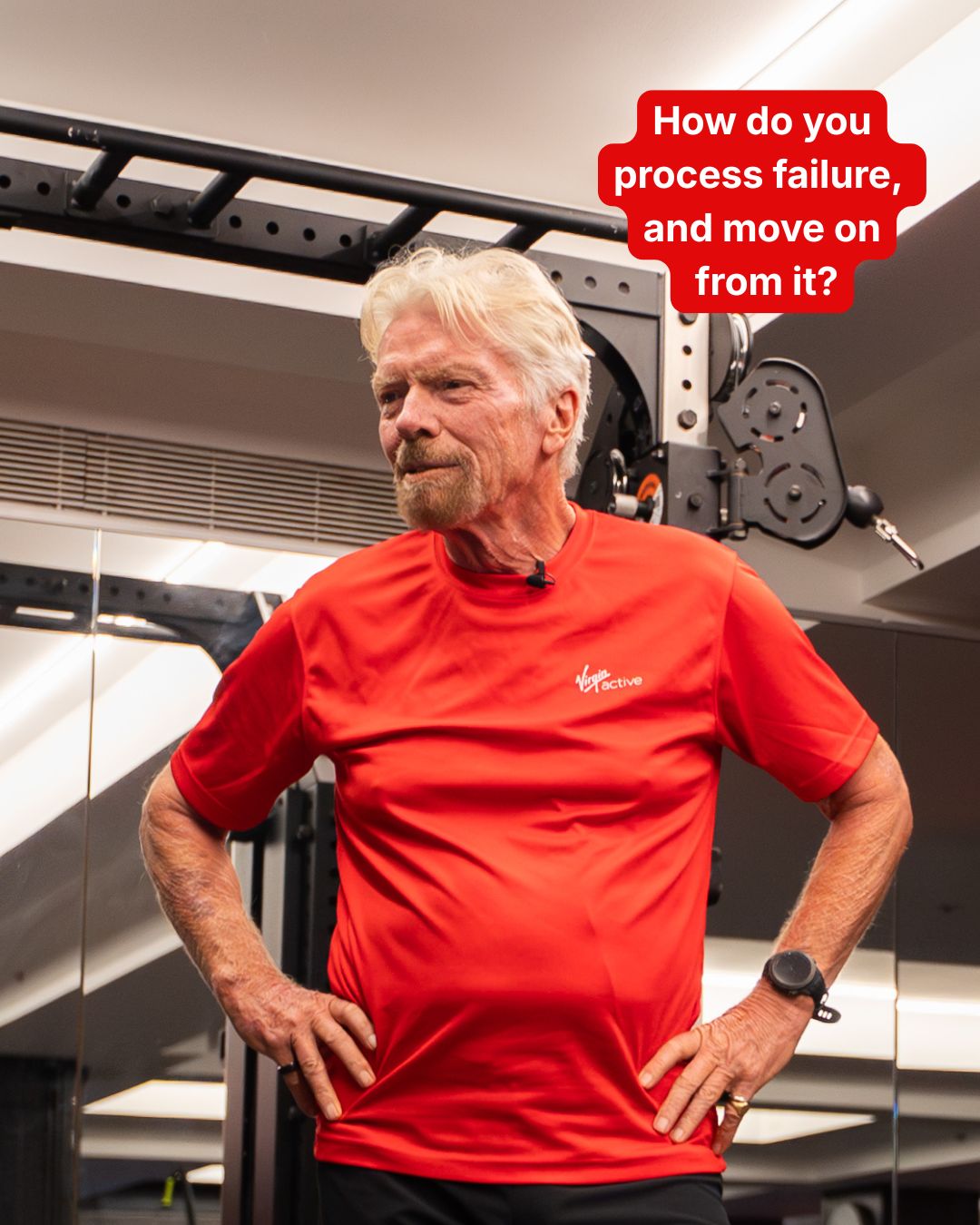
In a recent LinkedIn post, Richard Branson discusses his philosophy on how to process failure and move forward, emphasizing the importance of learning from setbacks rather than dwelling on them. The Virgin Group founder shared his perspective on turning failures into valuable lessons to fuel future success.
Branson highlights a simple yet effective approach to dealing with business disappointments. “My answer is quite simple: learn the lesson, then move on,” he stated in his post. He elaborated on this by noting that prolonged introspection on failure rarely leads to better future endeavors.
“I’ve realised that dwelling on failure rarely makes the next idea any better.”
To illustrate his point, Branson recalled the launch of ‘Event’ magazine in the early 1980s. This publication was conceived as a cultural extension of his existing entertainment business. However, it faced stiff competition from Time Out, a well-established competitor, and ultimately could not gain traction.
The ‘Event’ Magazine Setback and Brand Protection
The ‘Event’ magazine venture, despite initial strategic logic, proved to be a commercial failure. Branson acknowledged that they had genuinely identified what they believed was a significant market opportunity, but the reality proved different.
“We really thought we had spotted a great opportunity, but it just didn’t work. We quickly shut it down and learnt a very important lesson: Always protect the wider brand from one company’s failure.”
This experience underscored a crucial business principle for Branson: safeguarding the overall brand identity from the impact of a single failed venture. He also drew wisdom from his mother, who advised, “Don’t cry over spilt milk,” a mantra that has guided his approach to setbacks.
Moving Forward: Mindset and Opportunity
Branson recognizes that experiencing failure is inherently difficult, often accompanied by deflation and significant stress. However, he contends that getting lost in these negative emotions is counterproductive. The key, according to Branson, lies in a structured process of analysis and forward momentum.
The Importance of Learning and Action
The entrepreneur advises a proactive response to failure. “Digging deep into it won’t make that any easier. Work out what went wrong and write down what you’ve learnt (this part is important). Then put your energy into what comes next,” Branson shared.
This process involves identifying the root causes of the failure and documenting the lessons learned. This analytical step is critical for growth. Subsequently, all energy should be redirected towards future opportunities. Branson’s perspective is that while setbacks are inevitable, they should serve as stepping stones, not stumbling blocks.
“As I’ve always said: Business opportunities are like buses, there’s always another one coming. Just make sure you’re not looking in the rearview mirror.”
Branson’s insights emphasize resilience, strategic learning, and an unwavering focus on the future. His message encourages entrepreneurs and business leaders to view failures not as endpoints, but as crucial learning experiences that pave the way for future successes.
📝 About This Content
This article is based on insights shared by Richard Branson on LinkedIn.
📅 Originally posted on September 3, 2026 | View original post on LinkedIn →