
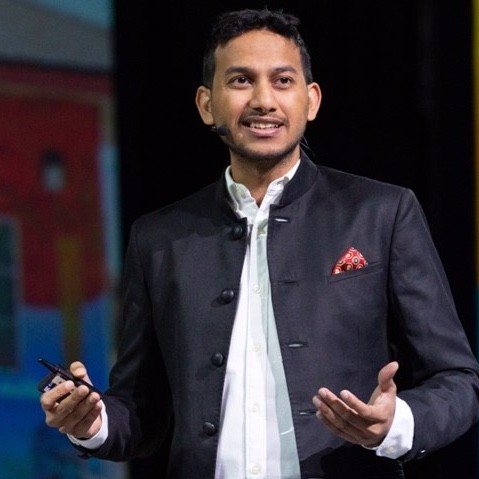
In a recent LinkedIn post, Ritesh Agarwal discusses the significant and growing trend of people sharing their travel experiences, and critically examines the readiness of the global tourism industry to support this expansion.
Agarwal opens by observing the increasing frequency with which individuals are sharing their travel narratives, suggesting a deeper societal shift. He notes:
It is no coincidence that we are seeing more and more people consistently sharing their travel stories.
This observation, according to Agarwal, points to travel becoming an increasingly central component of how individuals allocate their time, forge lasting memories, and engage with the world. The desire for exploration, whether through short weekend trips or extensive international vacations, is on a clear upward trajectory.
The Ascendance of Travel as a Core Life Experience
Ritesh Agarwal argues that the current surge in travel engagement is not a fleeting fad but a fundamental and enduring shift. He posits that the motivations behind this trend are multifaceted, encompassing personal enrichment, the creation of shared experiences, and a broader desire for global understanding. As Agarwal states:
Travel is becoming a bigger part of how people spend their time, create memories, and experience the world.
This perspective frames travel not merely as a leisure activity, but as an integral part of modern identity and personal development. The consistent sharing of these experiences on platforms like LinkedIn further amplifies their cultural significance, creating a feedback loop that encourages more exploration and storytelling.
Is the Tourism Industry Ready for the Inevitable Growth?
While acknowledging the robust and expanding nature of the travel trend, Ritesh Agarwal shifts to a critical question regarding industry preparedness. He suggests that the growth in demand for travel services must be matched by a commensurate increase in capacity and quality across various sectors of the tourism ecosystem. Agarwal points out:
And honestly, there is very little to suggest that this trend will slow down. Tourism is going to become a much bigger and more important industry globally.
This highlights a potential gap between consumer desire and industry readiness. Agarwal emphasizes that the challenge lies not just in accommodating more travelers, but in doing so effectively and sustainably. He poses a direct challenge to stakeholders within the industry:
The real question is whether we are preparing fast enough, with the right talent, hotels, infrastructure, and policies to support that growth.
In Agarwal’s view, this necessitates a proactive approach from governments, businesses, and educational institutions to ensure that the necessary resources—skilled personnel, adequate lodging, robust transportation networks, and supportive regulatory frameworks—are in place. Failure to adequately prepare, he implies, could hinder the potential of tourism to contribute to global economies and enrich individual lives.
📝 About This Content
This article is based on insights shared by Ritesh Agarwal on LinkedIn.
📅 Originally posted on August 8, 2026 | View original post on LinkedIn →