
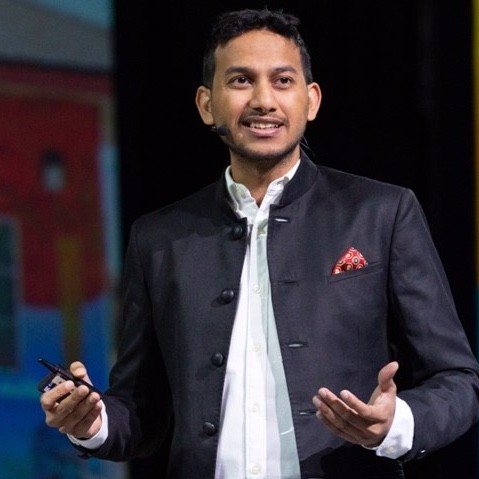
In a recent LinkedIn post, Ritesh Agarwal discusses the crucial need for destinations to prepare for the anticipated growth in tourism. Agarwal emphasizes that while encouraging more people to travel is a positive goal, the sustainability and quality of that growth depend heavily on the readiness of the destinations themselves.
The Dual Imperative of Tourism Growth
Agarwal’s post frames the future of tourism not just as an increase in traveler numbers, but as a comprehensive effort to ensure that places can effectively and enjoyably host these visitors. He points out the interconnectedness of various elements required to support this expansion.
I want more people to travel, see new places, experience different cultures, and discover parts of the world they may have only heard about. But if tourism is going to keep growing, we have to prepare for that growth too.
As Ritesh Agarwal notes, the desire to explore the world is a powerful driver, but it must be met with adequate preparation on the receiving end. This preparation, according to Agarwal, involves several key areas.
Key Pillars for Destination Readiness
Agarwal identifies specific components that are essential for destinations to manage and benefit from increased tourism. These are not merely suggestions but requirements for a thriving tourism ecosystem.
Infrastructure and Talent Development
According to Ritesh Agarwal, a fundamental aspect of readiness lies in the development of robust infrastructure. This includes everything from transportation networks to public facilities that can handle a larger influx of visitors. Alongside physical infrastructure, Agarwal stresses the importance of a skilled workforce.
Policy and Accommodation
Thoughtful city policies are also highlighted by Agarwal as critical for managing tourism growth effectively. These policies can help ensure that tourism benefits local communities while mitigating potential negative impacts. Furthermore, Agarwal points to the accommodation sector as needing to adapt.
That means better infrastructure, more skilled talent, thoughtful city policies, and hotels that are ready for the next generation of travellers.
In Ritesh Agarwal’s view, the hospitality industry must evolve to meet the expectations of contemporary travelers, who may seek different experiences and amenities than previous generations. This forward-thinking approach to accommodation is vital for retaining competitiveness and ensuring visitor satisfaction.
The Future of Experiential Travel
Agarwal concludes by reiterating that the ultimate success of growing tourism relies on a destination’s capacity to welcome visitors in a manner that enhances their experience and respects the local environment and culture. The focus, as he articulates it, shifts from simply facilitating travel to mastering the art of hospitality on a grand scale.
The future of tourism is not just about getting more people to travel. It is about making sure destinations are ready to welcome them well.
Ritesh Agarwal’s insights offer a clear call to action for stakeholders in the tourism industry, emphasizing that sustainable growth requires a proactive and holistic approach to destination management and development.
📝 About This Content
This article is based on insights shared by Ritesh Agarwal on LinkedIn.
📅 Originally posted on September 3, 2026 | View original post on LinkedIn →