
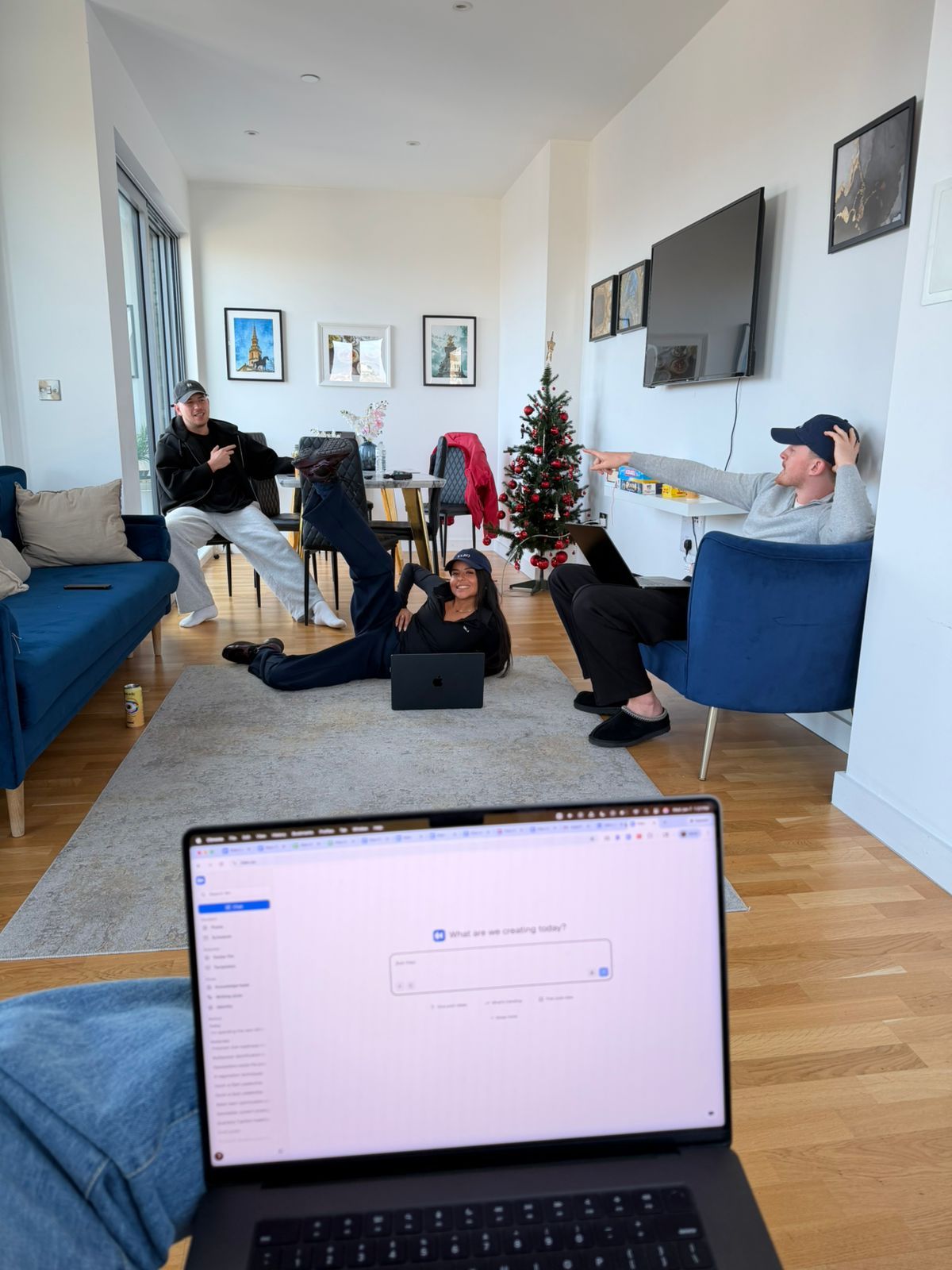
In a recent LinkedIn post, Rob Hoffman discusses the intensive planning framework utilized by his company, Kleo, to drive growth and achieve significant milestones. Hoffman, whose company recently hit $62k MRR in 53 days, shared the detailed agenda for a single, high-stakes meeting designed to define the company’s trajectory for the next 90 days. This strategic session, spanning 6-8 hours, is structured to ensure alignment, focus, and rapid progress.
Foundations and Rock Setting: Establishing Clear Objectives
The meeting begins with a foundational segment focused on setting the stage and identifying immediate needs. According to Hoffman, the initial 30 minutes involve participants sharing their requirements for the session and contributing to a collective list of “Issues” – defined as tasks, blockers, or opportunities requiring attention within the year. This ensures all critical elements are surfaced early on.
The core of the planning process, termed “Rock Setting,” occupies a significant 4.5 hours. Hoffman outlines a methodical approach that starts with visualizing long-term goals, such as revenue, profit, and client numbers, on a whiteboard. These are then distilled into 90-day objectives. The team brainstorms strategies to achieve these topline numbers and prioritizes the most crucial “Issues” for the upcoming quarter. Hoffman emphasizes a “Keep, Kill, Combine” approach to refine this list into an organized action plan.
“Choose 3-7 Company Rocks. Rocks must be SMART goals. Then choose Rocks for each department and each leadership team member.”
Following a lunch break, the focus shifts to defining “Rocks” – specific, measurable, achievable, relevant, and time-bound (SMART) goals. As Rob Hoffman details, the company aims for 3-7 Company Rocks, with each department and leadership team member also setting 3-7 individual Rocks. Other employees are assigned 1-3 Rocks. This cascading goal-setting ensures that every level of the organization is aligned with the overarching objectives.
Addressing Issues and Closing: Solving Problems and Reflecting
The agenda then moves into the “IDS Section,” which stands for Issues to Discuss and Solve. This two-hour segment is dedicated to tackling the most pressing issues identified earlier. Hoffman states the objective clearly:
“Review your issues list. Pick the top 3. Identify, Discuss, Solve. Leave with problems solved to build momentum.”
This structured problem-solving approach is designed to clear blockers and generate forward momentum. By focusing on the top three issues, the team ensures that critical challenges are addressed effectively within the meeting itself.
The meeting concludes with a 30-minute closing session. Hoffman suggests creating a calm, meditative atmosphere to encourage reflection. Participants are guided through four key questions:
- How did you feel about today?
- Any AHAs or highlights?
- Were your expectations met?
- Rate this meeting 1-10
This reflective closing is crucial for reinforcing learning, celebrating successes, and gathering feedback for future planning sessions. As Rob Hoffman notes, this entire framework is instrumental in keeping the team “aligned, focused, and moving fast.” The post also highlighted Kleo’s upcoming public launch in 15 days and invited readers to a free webinar detailing their lead generation system.
📝 About This Content
This article is based on insights shared by Rob Hoffman on LinkedIn.
📅 Originally posted on January 7, 2026 | View original post on LinkedIn →