
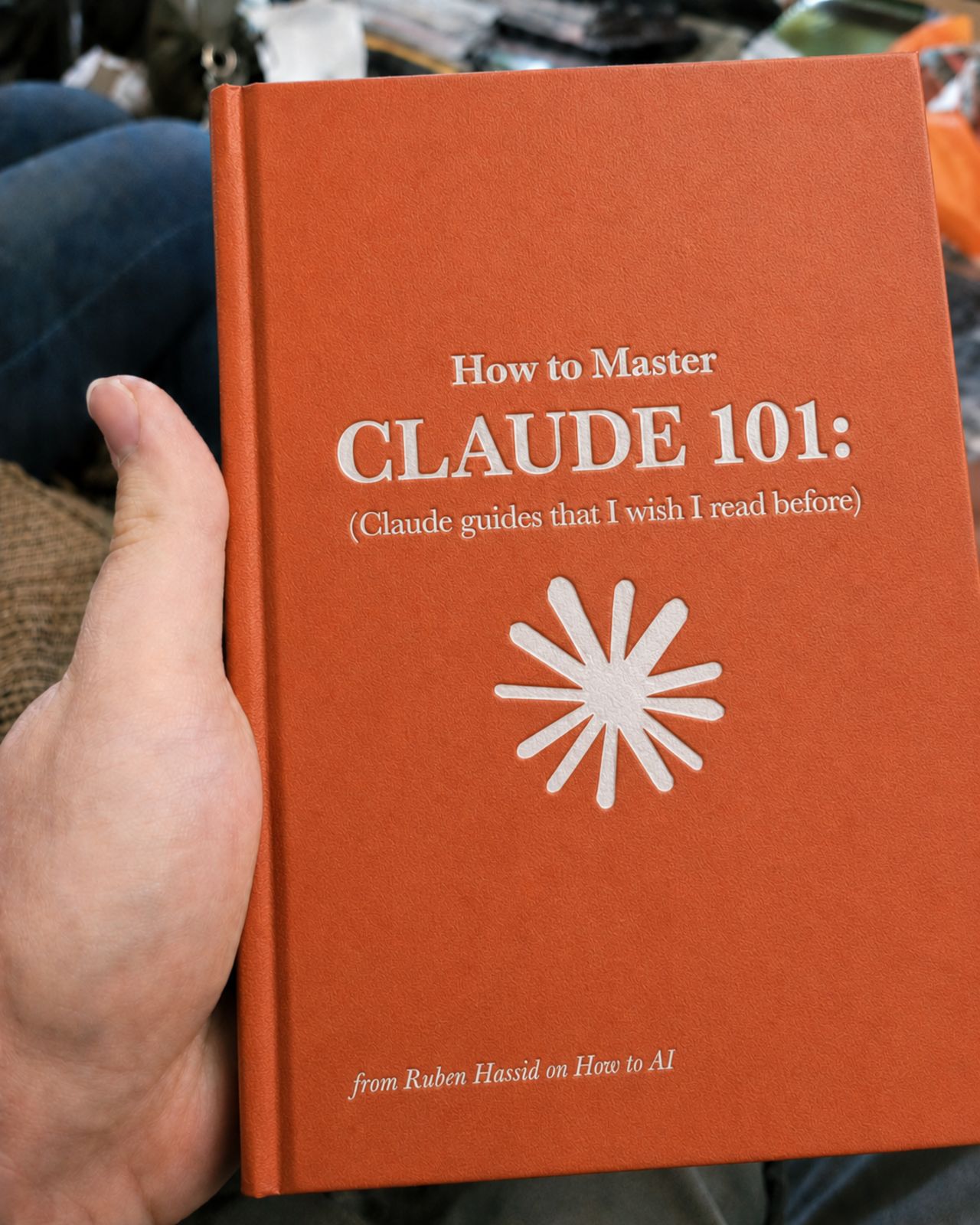
In a recent LinkedIn post, Ruben Hassid offers a distilled collection of resources for users looking to deepen their understanding and effective utilization of Claude, an advanced AI assistant. Hassid frames his extensive research as a personal journey, stating, “I (literally) spent 1000 hours figuring out Claude the hard way.” He then presents a curated list of guides he wishes he had access to earlier in his learning process.
Unpacking the Claude Ecosystem
Hassid’s post acts as a roadmap for navigating the complexities of Claude, covering a wide array of functionalities and best practices. The resources he shares span from foundational knowledge to advanced techniques, aiming to equip users with the skills needed to leverage Claude effectively in various contexts.
“Here are the guides I wish someone had sent me earlier to read.”
This introduction immediately sets the stage for a practical, user-focused guide, emphasizing the value of shared knowledge derived from significant personal investment. As Hassid points out through the sheer volume of links, mastering an AI like Claude requires dedicated exploration.
Key Areas for Claude Proficiency
The shared links highlight several critical domains for Claude users. Hassid breaks down the learning into manageable categories, suggesting a structured approach to AI adoption. Key areas covered include:
- Foundational Understanding: Guides like “Claude 101” and “Claude Fable-5” likely provide essential background information for newcomers.
- Advanced Applications: Topics such as “Claude Cowork,” “Claude Code,” and “Claude for Excel” indicate pathways for integrating Claude into professional workflows and specific tasks.
- Refining AI Interaction: Hassid includes resources on essential skills like “Claude Skills,” “Claude Design,” and crucially, “Stop writing like AI” and “Stop Prompting Claude,” suggesting a move towards more natural and efficient interaction paradigms.
- AI Detection and Ethics: The inclusion of “How to detect AI” points towards a growing concern within the AI community regarding authenticity and responsible use.
Strategies for Effective AI Use
Beyond basic usage, Ruben Hassid emphasizes strategies for maximizing Claude’s potential and mitigating common challenges. His curated list addresses practical concerns such as “Stop hitting Claude limits” and offers tips for making Claude “sound like you,” indicating a focus on personalization and overcoming system constraints.
“Be good at Claude”
This succinct directive underscores Hassid’s belief that proficiency with AI tools is an achievable skill. According to Hassid, achieving this involves understanding not just the “how” but also the “why” behind effective AI prompting and interaction.
Furthermore, Hassid provides actionable advice for teams and individuals, with links dedicated to “Claude for your team” and “Claude Connectors.” He also touches upon the broader implications of AI, as seen in the “Infographics with AI” resource.
Call to Action for Learners
Concluding his post, Hassid encourages engagement and further learning. He prompts his audience with clear calls to action:
- Save the list for future reference.
- Share the information widely by reposting.
- Subscribe to his free newsletter, “how-to-ai.guide,” for ongoing insights.
Ruben Hassid’s comprehensive compilation serves as an invaluable resource for anyone seeking to master Claude, offering a structured approach to learning based on his extensive, hands-on experience.
📝 About This Content
This article is based on insights shared by Ruben Hassid on LinkedIn.
📅 Originally posted on August 15, 2026 | View original post on LinkedIn →