
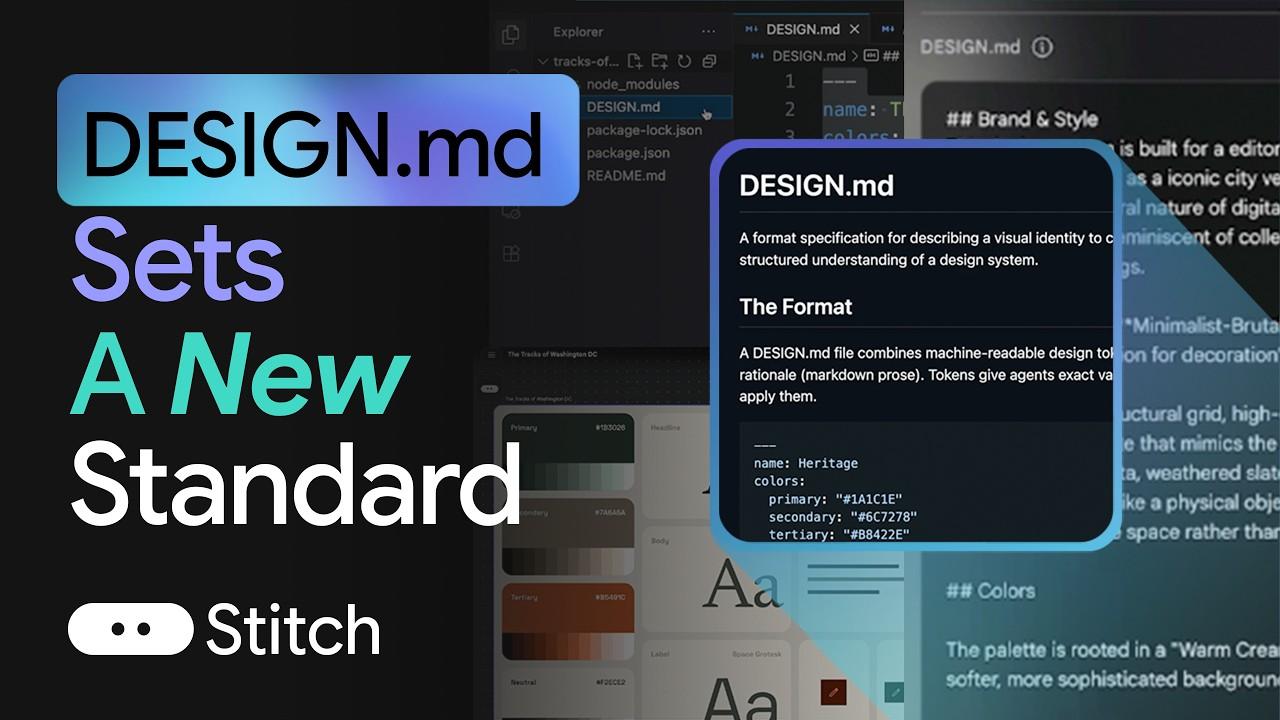
In a recent LinkedIn post, Sachin Rekhi explores the implications of Google Stitch’s open-sourced spec for DESIGN.md, suggesting it could revolutionize how design systems are managed and shared.
Rekhi expresses enthusiasm for the initiative, noting its potential to unify previously disparate elements of design. As Sachin Rekhi highlights:
I do think an open standard for design systems for agents could be as impactful as the open specs for MCP servers and skills has been.
Unifying Design Tokens and Style Guides
A key point of excitement for Rekhi is the integration of design tokens and style guides into a single, versioned file. This addresses a long-standing challenge in design workflows, where these two critical components often became desynchronized.
According to Sachin Rekhi, the previous separation made it difficult to maintain consistency. He points out:
It has historically been far too easy to get these two out of date because they always lived in two different places.
By bringing these elements together, the new spec aims to streamline the design process and ensure greater adherence to established design principles.
Democratizing Design System Creation
While acknowledging the primary use case of ensuring design and prototype adherence to a design system, Rekhi is particularly optimistic about the broader implications for creating and sharing new design systems. This is especially relevant for individuals and teams who may not have dedicated design expertise.
Sachin Rekhi argues that this open standard could empower a wider range of professionals to contribute to and benefit from robust design systems. He elaborates on this potential:
While design & prototype adherence to a design system is clearly the primary use case, I’m particularly excited about what this could mean for sharing and generating new design systems, especially for those of us who have never had the eye for designing these ourselves.
This democratization of design system creation could lead to more diverse and innovative digital products, as Rekhi suggests the spec could be instrumental in generating new systems for those lacking inherent design skills.
Broader Impact and Future Potential
Rekhi draws a parallel between the potential impact of this design system spec and the established influence of open specs for MCP servers and skills. This comparison underscores his belief in the transformative power of open standards within the technology ecosystem.
In essence, Sachin Rekhi’s analysis suggests that the DESIGN.md specification is more than just a technical update; it represents a significant step towards more accessible, consistent, and collaborative design practices across the industry.
📝 About This Content
This article is based on insights shared by Sachin Rekhi on LinkedIn.
📅 Originally posted on April 21, 2026 | View original post on LinkedIn →