
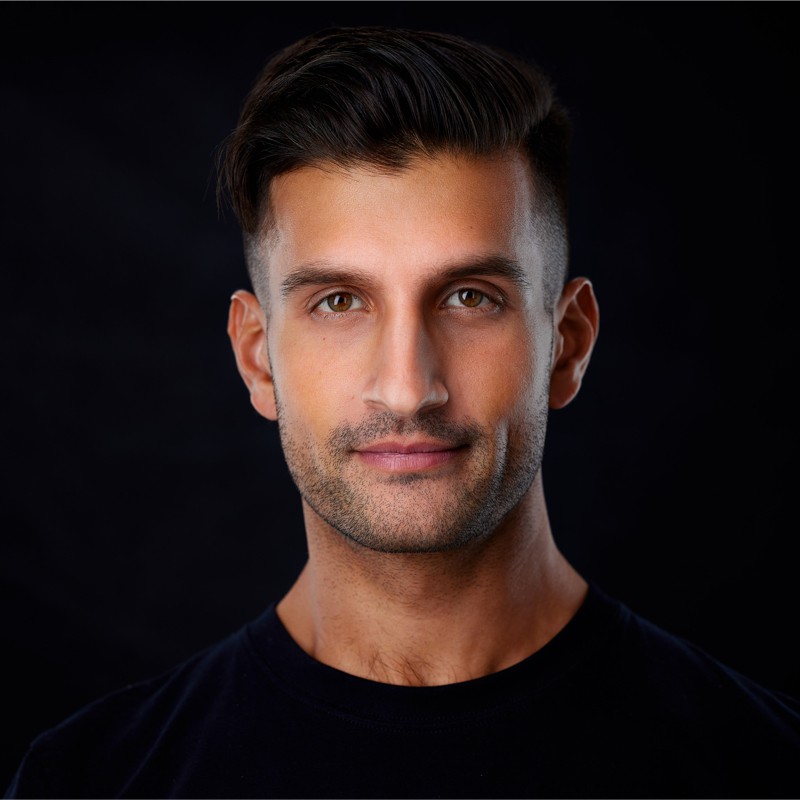
In a recent LinkedIn post, Sahil Bloom discusses the profound importance of time as an individual’s most valuable asset, urging readers to re-evaluate how they allocate this finite resource. Bloom frames time not just as a measurement, but as the fundamental currency of life, directly correlating its expenditure with the overall quality and legacy of one’s existence.
Bloom starkly illustrates the diminishing nature of time with age, noting the significant difference in remaining seconds between a 20-year-old and a 50-year-old, assuming an average lifespan. This quantitative perspective serves as a powerful backdrop for his qualitative argument about conscious allocation.
“Time is your most precious asset. Act accordingly.”
The Allocation of Life
The core of Sahil Bloom’s message revolves around the idea that where time is invested, so too is one’s life directed. He identifies key areas where individuals often unknowingly deplete their most precious asset:
- The people we choose to keep in our lives.
- The work we choose to tolerate.
- The distractions we choose to normalize.
- The dreams we defer to an indefinite “later.”
Bloom posits that by examining these areas, individuals can gain clarity on their current time-management habits and their alignment with personal values and aspirations. He challenges readers with a thought-provoking question designed to provoke introspection:
“If your time was money… would you still be spending it this way?”
The Scarcity and Memory of Time
Further elaborating on the urgency of mindful time management, Sahil Bloom highlights a more insidious threat than simply time running out. According to Bloom, the true tragedy lies in spending time on activities and engagements that ultimately lack lasting significance or personal meaning.
He argues that the memories we form and the experiences that shape us are directly tied to how we consciously choose to spend our seconds, minutes, and hours. This perspective shifts the focus from mere productivity to purposeful living.
Prioritizing Purpose Over Passing Moments
Bloom’s underlying thesis is that time is the ultimate form of wealth, far surpassing financial capital. He encourages a paradigm shift where individuals treat their time with the same gravity and strategic planning they might apply to their financial portfolios.
By framing time as finite and non-renewable, Sahil Bloom compels a deeper consideration of personal choices. As he concludes:
“Because the scariest part isn’t that time runs out. It’s that it gets spent on things you won’t remember.”
His call to action is clear: to recognize time’s true value and to align its use with what truly matters, ensuring that life’s moments are invested in experiences and pursuits that will be cherished and remembered, rather than lost to the trivial or the forgotten.
📝 About This Content
This article is based on insights shared by Sahil Bloom on LinkedIn.
📅 Originally posted on January 18, 2026 | View original post on LinkedIn →