
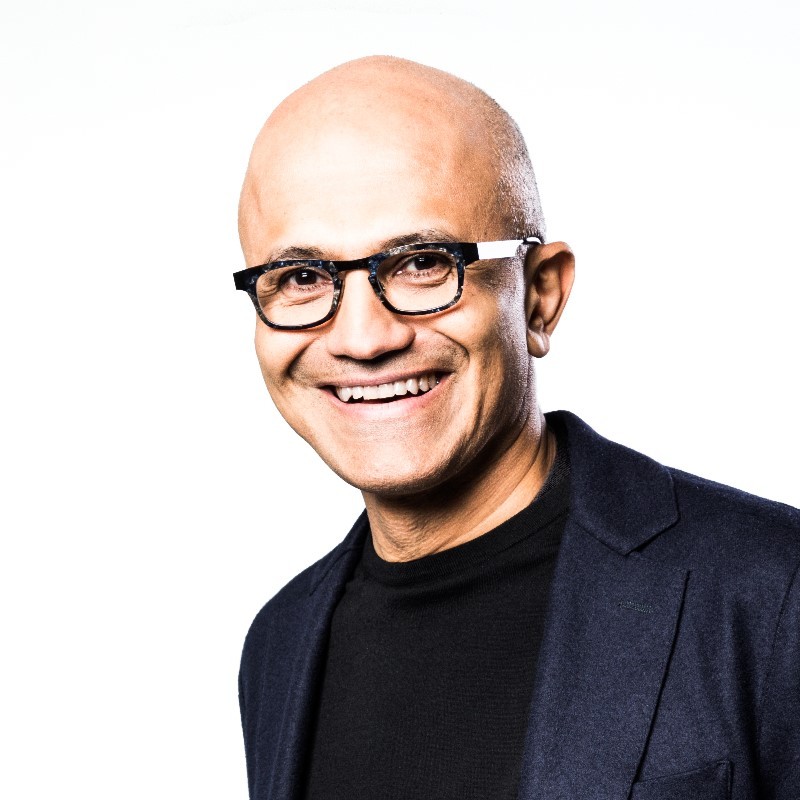
In a recent LinkedIn post, Satya Nadella, Chairman and CEO of Microsoft, discusses the critical challenge of ensuring that the benefits of advanced artificial intelligence are widely accessible throughout the business ecosystem. Nadella emphasizes the need to optimize the relationship between cost and outcome in real-world applications, a strategy he refers to as optimizing the “cost-to-outcome frontier.” This involves carefully selecting the appropriate AI model for specific tasks and refining the surrounding elements like context, skills, tools, and agent harnesses.
“The key is to optimize the cost-to-outcome frontier in real world context. In practical terms, that means using the right model for each task, and optimizing the context, skills, tools, and agent harness around it.”
Nadella highlights Microsoft’s MAI (Microsoft AI) model family as a product of this strategic thinking. These models, he explains, were developed from the ground up with a focus on clean data lineage and the ability to efficiently transfer learning from generalist to specialized enterprise tasks. This approach allows Microsoft to deliver advanced AI capabilities at scale and at a reduced cost by utilizing models optimized for high-usage products, while still employing frontier models for more demanding, cutting-edge needs.
Optimizing AI Deployment for Enterprise Needs
The CEO elaborates on how this strategy is being implemented across Microsoft’s own products. He notes that frontier models from partners like OpenAI and Anthropic are integrated within a broader orchestration system that also includes MAI models. However, Nadella stresses that the model itself is only one component of the overall system’s performance.
The Importance of Systemic Optimization
According to Nadella, the effectiveness of AI agentic systems is heavily influenced by factors such as the harness, memory, context, tools, and skills employed, in addition to user interactions. A crucial aspect of maintaining control, he argues, is ensuring that evaluation metrics continue to improve independently of any single AI model. This is achieved by building what he terms “Reinforcement Learning Environments” (RLEs) where models learn within the product system and are rewarded based on successfully completing tasks that are valuable to customers.
“Therefore we build RLEs where models learn inside the product system and are rewarded for completing the tasks customers actually care about. We train models against the actual product harness, interactions, and outcomes they will encounter.”
Nadella further explains that by externalizing these system components—harness, memory, context, and skills—outside of the core model, Microsoft gains significant control. This product-specific evaluation and model independence allows for a direct path to refinement, enabling the company to achieve desired quality-cost targets. He proudly states that MAI models are now demonstrating superior performance to general-purpose frontier models in numerous use cases, often utilizing a fraction of the tokens.
Democratizing AI Through Product Integration
Satya Nadella believes the most significant opportunity lies in optimizing all these layers collectively within the products people use daily. Microsoft is actively routing traffic to its MAI models across its first-party surfaces, such as GitHub Copilot, Excel, and Outlook, whenever they meet or exceed the performance of frontier alternatives. This approach is being extended to other products like Copilot Chat and PowerPoint, with the expectation that the entire system will continue to improve.
“We are seeing promising early results across GitHub Copilot, Excel, and Outlook and are beginning to take the same approach across Copilot Chat, PowerPoint, and more. And all these results will only get better as the entire system keeps hill-climbing!”
Nadella concludes by drawing a parallel between Microsoft’s internal strategy and the potential for its enterprise customers. He asserts that companies can adopt a similar approach to build their own agentic systems using proprietary evaluations, RLEs, workflows, and context. Microsoft aims to facilitate this through its Foundry platform and toolchain, effectively democratizing the advanced capabilities of AI for businesses worldwide.
As Nadella points out, the strategic integration and optimization of AI models within product ecosystems are key to unlocking widespread benefits. This approach not only enhances performance and reduces costs but also ensures that businesses remain in control of their AI deployments.
📝 About This Content
This article is based on insights shared by Satya Nadella on LinkedIn.
📅 Originally posted on July 23, 2026 | View original post on LinkedIn →