
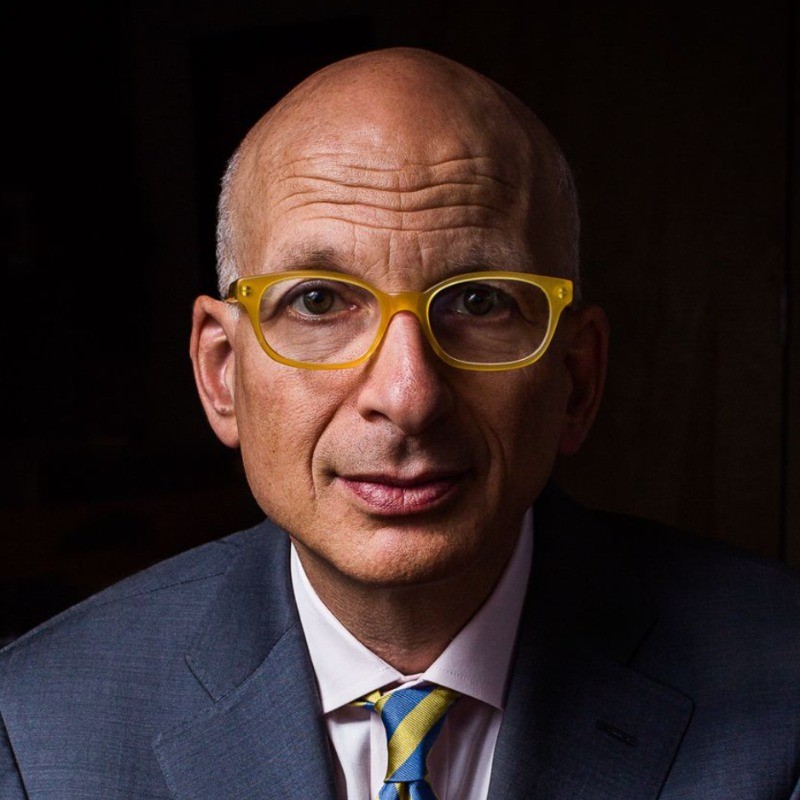
In a recent LinkedIn post, Seth Godin 🌔 challenges his audience to consider their relationship with technology and innovation, urging them to move beyond passive consumption and embrace active creation. Godin 🌔 frames this distinction through the lens of early human evolution, contrasting “Homo Habilis” – those who used tools – with a more aspirational designation, “Homo Faciens” – those who make tools.
The Distinction Between Using and Making Tools
Godin 🌔 highlights that while using tools is a common human trait, the act of making them is far rarer, even in an age of advanced technology like AI. He posits that the fundamental difference lies not just in access to sophisticated systems, but in a conscious decision to engage in the difficult, often risky, process of creation. The author points out that many are content with being mere tool users, failing to recognize the potential and necessity of becoming tool makers.
“Everyone uses tools. But only a few people, even with access to AI and systems of leverage, choose to make tools.”
According to Godin 🌔, this gap in action stems from a failure to even ask the critical question: “Are you a tool user or a tool maker?” He suggests that the mindset of a productive tool user often doesn’t naturally lead them to pause, consider the possibility of failure, and take on the responsibility of developing something new. This inertia, Godin 🌔 implies, prevents significant progress and positive change.
The Imperative of Creating New Tools
Seth Godin 🌔 argues that the creation of new tools is a primary driver of societal and personal advancement. He emphasizes that it is through the act of making that we truly innovate and improve our circumstances. The post suggests that embracing the role of a tool maker requires a willingness to step outside of comfortable routines and to accept the inherent risks associated with bringing novel solutions into existence.
Embracing Risk for Innovation
The author’s perspective implies that the path of a tool maker involves a deliberate choice to “slow down, risk failure, and take responsibility.” This is contrasted with the more passive, albeit efficient, approach of simply utilizing existing tools. Godin 🌔’s framing positions tool making not just as a technical skill, but as a mindset and a commitment to pushing boundaries.
“Part of the gap is failing to ask the question. It generally doesn’t occur to a productive tool user to decide to slow down, risk failure, and take responsibility by making a new tool.”
Godin 🌔 concludes by reiterating the significance of this creative act: “But new tools are one way we change things for the better.” This statement serves as a powerful call to action, encouraging readers to reflect on their own roles in the innovation ecosystem and to consider whether they are contributing to the future through creation, rather than just participation.
The post, which Godin 🌔 notes is a repost from his blog for the most current version, serves as a concise yet profound meditation on the nature of innovation and the human drive to create.
📝 About This Content
This article is based on insights shared by Seth Godin 🌔 on LinkedIn.
📅 Originally posted on September 5, 2026 | View original post on LinkedIn →