
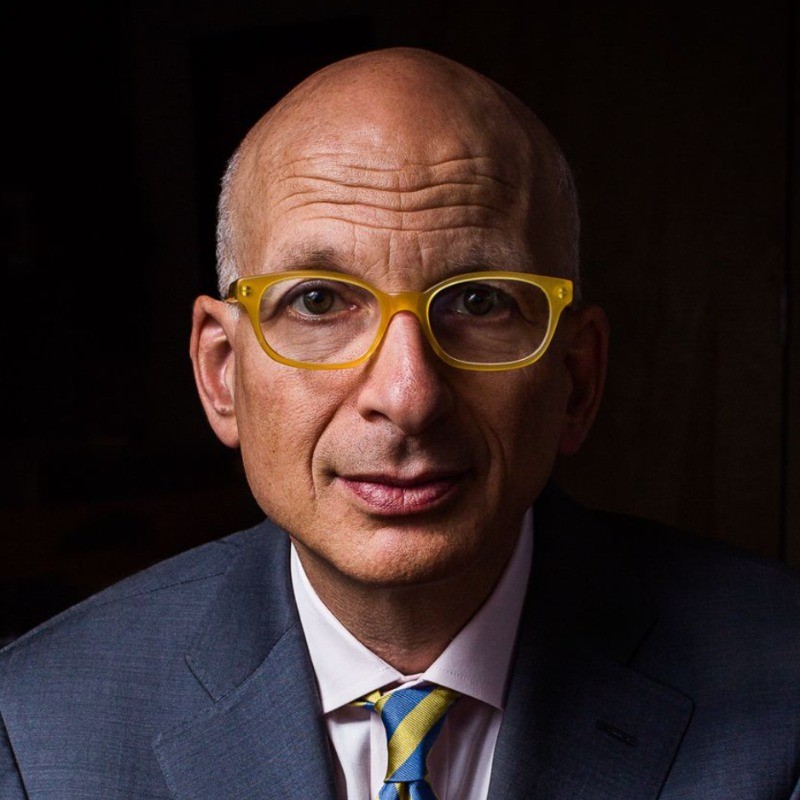
In a recent LinkedIn post, Seth Godin 🌔 discusses the evolving dynamics of social media platforms and their impact on content creators and consumers, drawing a parallel to the Eagles’ song “Hotel California” to describe the difficulty of leaving these ecosystems once entrenched.
Seth Godin 🌔 highlights a significant drop in engagement for his automatically echoed blog posts on LinkedIn, noting a more than 90% decrease in traffic over the past few years. This observation led him to experiment with manual posts, which yielded dramatically higher engagement.
“I did another one about this leap and it did even better. It’s clear that the algorithm was changed.”
According to Seth Godin 🌔, these algorithmic shifts are not designed to benefit users or creators but rather to serve the “endless quest for more that most public companies wrestle with.” He interprets the platform’s message as a directive for creators to “move in. Don’t link out” if they wish to gain visibility.
The Problem with Platform Dependence
Seth Godin 🌔 identifies two primary issues with this platform-centric approach. Firstly, he argues that mere “eyeballs don’t make change happen, people do.” This suggests that passive consumption on a platform does not equate to meaningful action or impact. Secondly, he warns against becoming too reliant on these platforms, likening it to checking into a hotel that makes it difficult to leave.
Understanding ‘Enshittification’
The concept of “enshittification,” as described by Seth Godin 🌔, outlines a lifecycle of online platforms driven by venture capital and public market pressures. He explains this process:
“Enshittification is real. VCs and public markets push the companies they invest in to maximize profits. First, please the customers. Then, double cross them to please the advertisers. Finally, double cross both of them to please the stock price.”
This progression, Seth Godin 🌔 contends, ultimately disadvantages both users and advertisers in favor of shareholder value.
Advocating for Owned Assets and RSS
As an alternative to renting space on these increasingly restrictive platforms, Seth Godin 🌔 champions the ownership of one’s own assets and the careful guarding of attention and trust. He posits that the most effective way to consume blogs remains unchanged for two decades: RSS.
“The best way to read blogs hasn’t changed in twenty years. RSS . It’s free and easy and it just works. It’s the most efficient way to get the information you’re looking for, and it’s under your control.”
Seth Godin 🌔 encourages creators to consider whether they are building and owning their assets or merely renting them. He also notes that as an experiment, his blog will now be shared via Zapier to LinkedIn, acknowledging that it will likely be stripped of links, which can be found on his blog.
Ultimately, Seth Godin 🌔 concludes that “where we create our media and how we consume it are still up to us,” reinforcing the idea that control over one’s digital presence and information flow is paramount in an era of evolving platform algorithms.
📝 About This Content
This article is based on insights shared by Seth Godin 🌔 on LinkedIn.
📅 Originally posted on November 25, 2025 | View original post on LinkedIn →