
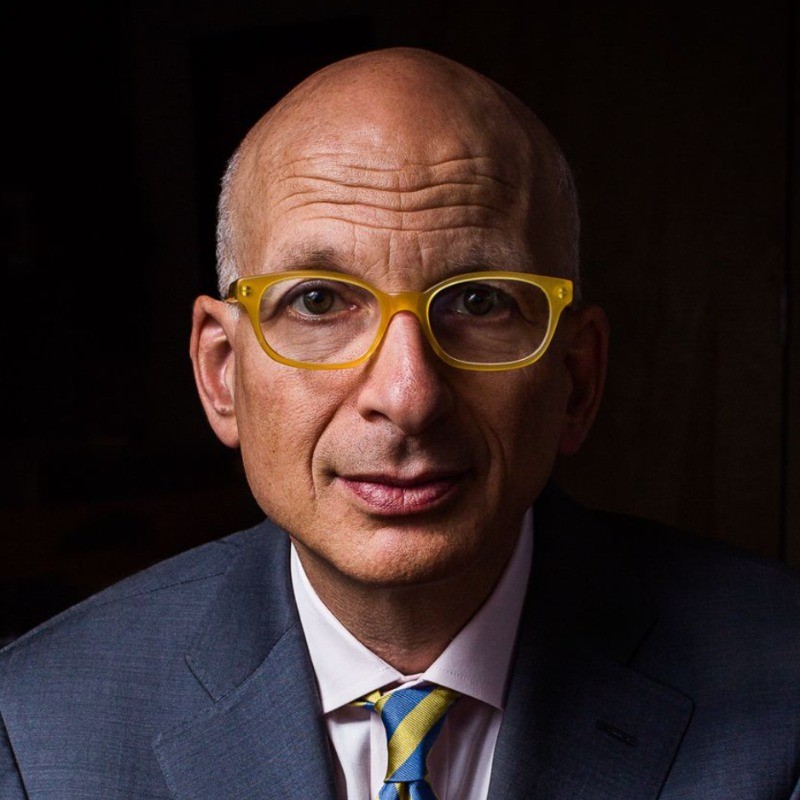
In a recent LinkedIn post, Seth Godin 🌔 delves into the often-overlooked concept of “carriage” and its profound impact on how creative content reaches the public, drawing parallels from historical media gatekeepers to modern digital platforms. Godin 🌔 uses the announced acquisition of Warner Bros by Netflix as a jumping-off point to examine who controls user access to media and how this control dictates power within the industry.
The Power of Controlling the Gate: Understanding Carriage
Seth Godin 🌔 defines carriage as the essential mechanism that transports media, from books and movies to music and television, from creators to consumers. He highlights that historically, this control has been a significant source of power for intermediaries. Godin 🌔 points to the traditional bookstore system, where publishers vied for shelf space, and the music industry, where radio stations held sway over which songs gained airtime, noting the historical ban on payola as evidence of this power dynamic.
“Carriage is the term for the method that books, movies, TV shows and other media get from the producers to the public. It’s about who controls user access to the medium.”
The analysis extends to the film industry, where studios in the 1930s leveraged their ownership of theaters to force independent cinemas to screen their films, thereby controlling what audiences could see. “With this advantage, they could force the independent movie theaters to take a block of movies, exerting control over what got seen,” Godin 🌔 writes, illustrating how this control of carriage amplified power.
The Internet’s Promise and Its Perils
Godin 🌔 then turns his attention to the internet, which initially promised to democratize carriage by allowing creators to bypass traditional gatekeepers. “The internet was supposed to change the way creators dealt with carriage issues,” he states. “If you wanted someone to visit your website, no one could step in the way. This was a breakthrough, the first in a century.” This era allowed creators to directly connect with their audience by simply publishing their work online.
However, Godin 🌔 argues that this open access has been eroded. He points to search engines like Google, which introduced advertising models that resemble payola, where visibility is contingent on payment. “Don’t pay, no play,” Godin 🌔 observes, summarizing the shift.
“Of course, once Google gained traction, they offered to engage in thinly veiled payola–pay Google for search ads, and traffic would come to your site.”
Similarly, Amazon, which began as an open platform, has, according to Godin 🌔, evolved to prioritize advertising revenue, impacting the user experience and potentially limiting the organic discovery of products and content that do not pay for placement. “Widespread and open carriage of ideas and products. Alas… if you’ve noticed that the Amazon shopping experience has gotten a lot worse, it’s because they’re maximizing their ad profits (payola) and burying (taking efficient carriage away from) those that won’t pay or partner,” he elaborates.
The Future of Streaming and Carriage Control
Turning back to the Netflix-Warner Bros situation, Godin 🌔 explains the industry’s apprehension. The fear, as he outlines, is that if Netflix consolidates further into production and content acquisition, it could become the sole dominant streaming platform. This consolidation would grant a single entity immense control over carriage, thereby dictating what content is produced and consumed.
“It doesn’t really matter how many studios there are–it’s not hard to start one–what matters for the future is that carriage, and the profits that go with it, are available to anyone with a studio.”
Godin 🌔 suggests that a potential solution lies in adopting a model similar to YouTube, which offers broader carriage to a wider range of content creators. He concludes by emphasizing that the availability of carriage and its associated profits to all creators is crucial for a healthy and open media ecosystem.
📝 About This Content
This article is based on insights shared by Seth Godin 🌔 on LinkedIn.
📅 Originally posted on December 8, 2025 | View original post on LinkedIn →