
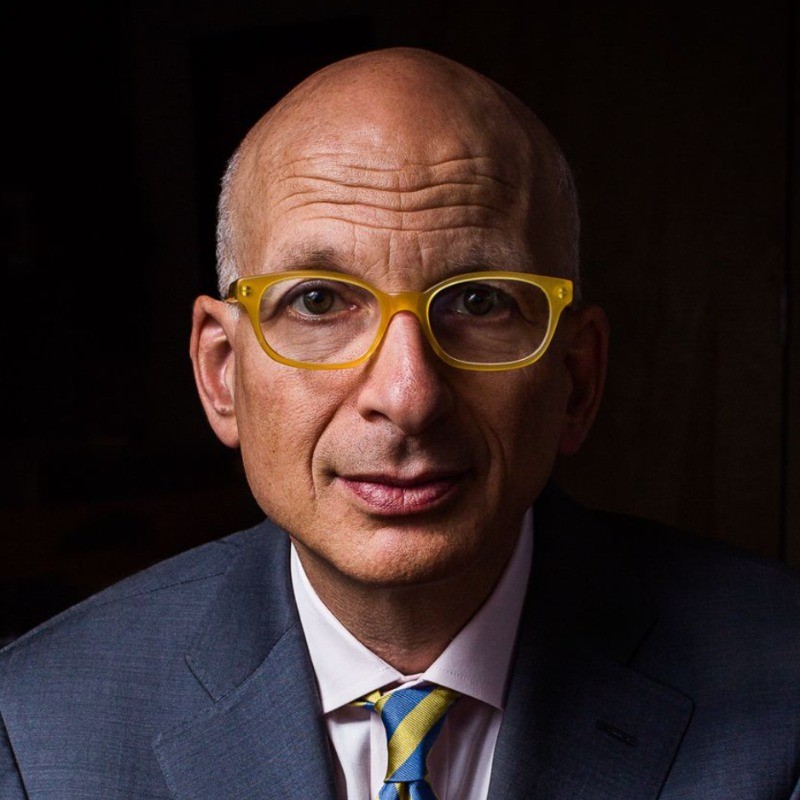
In a recent LinkedIn post, Seth Godin 🌔 challenges the conventional understanding of what constitutes a “donation,” urging business leaders and fundraisers to reframe their perspective on giving. Godin 🌔 posits that the lines between charitable contributions and commercial transactions are often blurred, and that the perceived value of a donation is deeply personal.
He begins by drawing a provocative parallel between luxury event tickets and charitable contributions, questioning the fundamental difference in how we categorize these expenditures. “A suite at a New York Knicks game costs more than $30,000. Is that a donation to the team?” Godin 🌔 asks, immediately setting the stage for a deeper examination of motivations behind financial exchanges.
The Exchange Principle in Giving
Godin 🌔 argues that the core of any transaction, whether commercial or charitable, lies in an exchange. Fundraisers, he suggests, sometimes err by viewing their requests as pleas for a favor rather than as offers of an opportunity. This perspective, according to Godin 🌔, fails to acknowledge the inherent human need to receive something in return for an outlay of time, money, or risk.
“Fundraisers can fall into the trap of believing that they’re asking for a favor or begging for a donation. But human beings, like all creatures, exchange time, money or risk in exchange for something.”
He elaborates on this point, stating that if the perceived value of what is received does not meet or exceed the cost of the exchange, the action will not occur. This principle applies universally, from purchasing a product to supporting a cause.
Intrinsic and Extrinsic Rewards of Giving
Delving into the motivations of donors, Godin 🌔 differentiates between the rewards sought by anonymous and public givers. For the anonymous donor, the benefit is often intangible and deeply personal.
“The anonymous donor gets something. They get something priceless, memorable and worthwhile: peace of mind.”
Conversely, public donors, such as those who buy raffle tickets for local fundraisers or make significant contributions to institutions, receive more visible benefits. Godin 🌔 points out that these individuals often gain social capital, status, and a sense of connection, which they deem to be worth the financial outlay.
“The public donor, whether it’s the neighbor buying a raffle ticket for the scout fundraiser or the bigwig on the board of a museum, they get something as well. The status and connection they buy is a bargain, worth more than it costs.”
This perspective reframes the act of giving not as a selfless sacrifice, but as a calculated exchange where the donor receives tangible or intangible benefits that justify their contribution. As Godin 🌔 concludes, the fundraiser’s role is not to beg, but to “offer an opportunity” that aligns with the donor’s desire for a valuable exchange.
📝 About This Content
This article is based on insights shared by Seth Godin 🌔 on LinkedIn.
📅 Originally posted on March 8, 2026 | View original post on LinkedIn →