
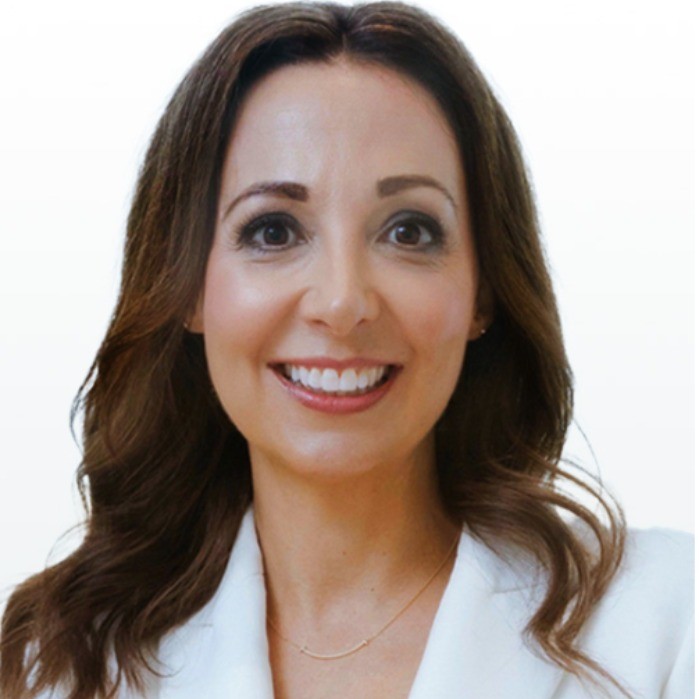
In a recent LinkedIn post, Sharon Kedar, CFA raises a critical question about the perceived lack of innovation in breast cancer surgery over the past three decades. Kedar, CFA, a Chartered Financial Analyst, uses her platform to initiate a broader discussion on the patient experience beyond survival rates, emphasizing the significant impact of the disease and its treatments on families.
The Stagnation of Surgical Techniques
Kedar, CFA expresses a strong belief that current standards for breast cancer surgery are insufficient, questioning the absence of significant advancements. She highlights the profound emotional and physical toll that the disease and its treatments take, arguing for a more holistic approach to patient care.
“As much progress as we have made, does anyone know why breast cancer surgery has not been innovated in 30 years?”
This direct question from Kedar, CFA serves as the central thesis of her post, inviting the business and medical communities to consider the reasons behind this apparent stagnation. She posits that the focus on survival, while crucial, overlooks other vital aspects of a patient’s journey.
Beyond Survival: Quality of Life and Family Impact
The CFA emphasizes that breast cancer is not solely a woman’s disease but one that affects entire families. She calls for a re-evaluation of treatment success metrics to include quality of life, reduction of fear, and mitigation of the harsh side effects associated with surgeries, drugs, and chemotherapy.
“I personally believe we can do much better for women and their families. This is not a disease of women, this impacts entire families.”
According to Kedar, CFA, the long-term costs to families, encompassing emotional distress and the physical burden of treatment side effects, are often underestimated. She envisions a future where medical advancements prioritize not just extending life but also enhancing the quality of that life for patients and their loved ones.
Encouraging Open Dialogue
Kedar, CFA actively solicits input from her network, viewing the conversation as both brave and essential. She specifically acknowledges Sally Wolf for her courage in sharing her personal story, recognizing the difficulty and importance of such public testimony in driving change.
“I imagine a day where we do even better here. I know we measure survival. But quality of life, the fear factor, the surgeries, the impact of drugs and chemotherapy. Those have a great cost to families.”
By initiating this discussion, Sharon Kedar, CFA positions herself as a catalyst for change, leveraging her professional network to explore how established industries can contribute to significant improvements in healthcare. Her call for innovation in breast cancer surgery underscores a broader need to question long-standing practices and advocate for patient-centered advancements that address the full spectrum of the disease’s impact.
📝 About This Content
This article is based on insights shared by Sharon Kedar, CFA on LinkedIn.
📅 Originally posted on August 16, 2026 | View original post on LinkedIn →