
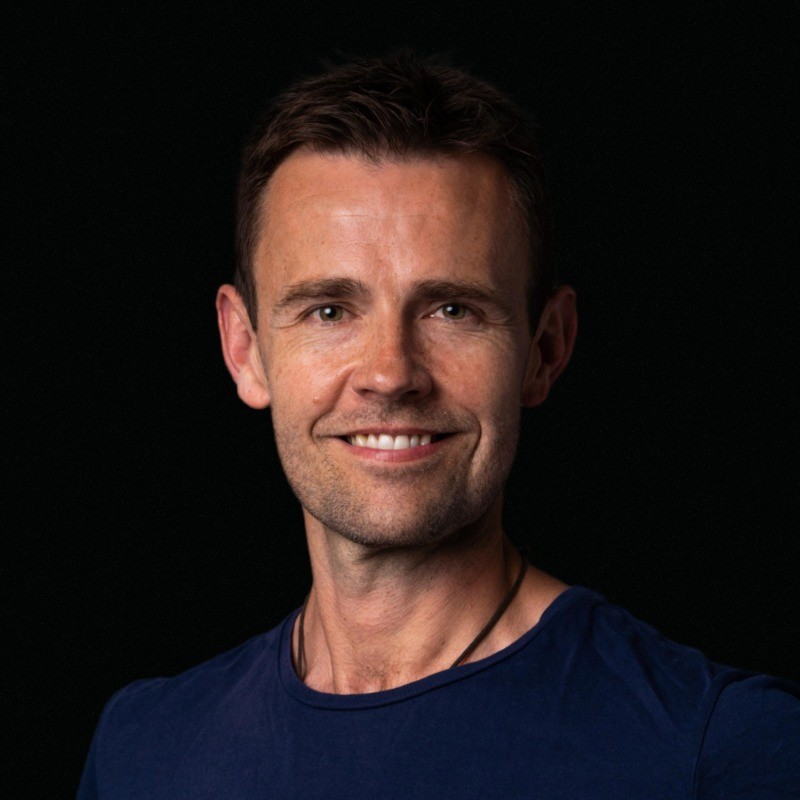
In a recent LinkedIn post, Nick Bradley explores the critical role of simplification in achieving business growth and a more fulfilling entrepreneurial journey. He sat down with Allan Dib, author of “The 1-Page Marketing Plan,” to discuss how clarity and focus can overcome the common pitfalls that lead to business failure.
The Perils of Complexity in Business
Bradley highlights a prevalent issue in the business world: the tendency towards overcomplication. Many ventures, he suggests, falter not from a lack of innovative ideas, but from an inability to execute due to excessive complexity. As Nick Bradley notes in his post:
“Most businesses don’t fail because they lack ideas. They fail because everything is too complicated.”
This sentiment underscores a core theme of the discussion: that complexity acts as a significant barrier to effective execution. Bradley emphasizes that trying to scale prematurely without a clear strategy can be detrimental. Instead, he advocates for focused specialization as a more sustainable path to growth, especially for companies operating in the 7-8 figure revenue range.
Focusing on Core Metrics for Success
The conversation with Allan Dib also zeroed in on the essential metrics that truly drive business success. Bradley points out Dib’s assertion that only two metrics are of paramount importance:
The Two Essential Business Metrics
According to Nick Bradley, Allan Dib stresses that:
“There are only two metrics that actually matter: Cost of Customer Acquisition, Lifetime Value. Everything else is just a tool to improve those two numbers.”
This perspective frames other business indicators as secondary, serving only to support the improvement of customer acquisition cost and lifetime value. This focused approach, Bradley explains, helps businesses cut through the noise and concentrate on what fundamentally impacts profitability and sustainability.
Designing a Richer Business and Life
Beyond the operational and financial aspects of business growth, the discussion delved into a less frequently addressed, yet crucial, element: designing a ‘rich life.’ Bradley explains that Dib, and by extension their conversation, touches upon the importance of intentional design for a life that supports not just revenue, but also freedom, energy, and enjoyment.
Nick Bradley argues that for founders building serious businesses, aiming for a model that feels lighter, clearer, and more profitable simultaneously is achievable. The insights shared in the post suggest that by embracing simplification, focusing on key metrics, and intentionally designing both the business and the life around it, entrepreneurs can navigate the path to sustainable success with greater ease and fulfillment.
The original conversation, which Bradley shared a link to, offers a deeper dive into Dib’s 9-box framework for marketing and further explores these concepts.
📝 About This Content
This article is based on insights shared by Nick Bradley on LinkedIn.
📅 Originally posted on December 20, 2025 | View original post on LinkedIn →