
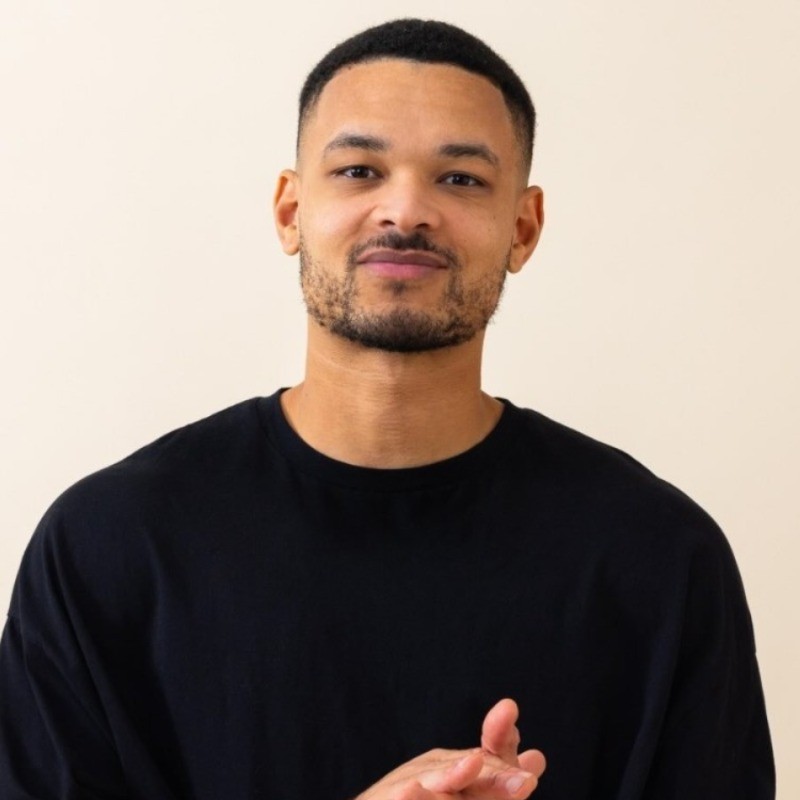
In a recent LinkedIn post, Steven Bartlett delves into the complex dynamics of relationships, particularly focusing on why individuals often miss warning signs and fail to recognize manipulative behaviors, especially those stemming from deeply ingrained childhood patterns. Bartlett introduces his conversation with behavioural psychologist and former police negotiator, Desmond O’Neill, highlighting O’Neill’s expertise in manipulation, trauma, and relational patterns.
Understanding Unseen Manipulation
Bartlett shares O’Neill’s perspective that many people are unaware they are being manipulated until well after the fact. This lack of immediate recognition is often tied to unexamined personal patterns, frequently established during formative childhood years. Bartlett quotes O’Neill’s core insight:
“Desmond believes most people don’t realise they’re being manipulated until long after the moment has passed. We don’t recognise our own patterns either, especially when those patterns were shaped in childhood.”
This observation underscores a critical point: our past experiences and learned behaviors can create blind spots, making us vulnerable to manipulation without our conscious awareness. Bartlett emphasizes that O’Neill’s work focuses on identifying these subtle, often unconscious, relational scripts.
Key Questions Explored in the Discussion
The conversation, as presented by Bartlett, tackles several fundamental questions about human behavior and relationships. These include understanding what triggers certain reactions, how intelligent individuals can fall prey to manipulation, and strategies for dealing with those who distort reality. Bartlett lists these key areas explored:
- Why do certain behaviors trigger us so quickly?
- How do smart people get manipulated without seeing it?
- How do you handle someone who twists the truth?
- Why do we repeat the same relationship patterns?
- What’s the first step in breaking a lifelong pattern?
According to Steven Bartlett, the discussion with O’Neill offered profound insights into the origins of our relational habits and the often-unseen forces that shape our interactions.
The Role of Mistakes in Personal Growth
A significant takeaway for Bartlett from the conversation was the realization of how personal mistakes contribute to self-awareness and development. He reflects on his own journey, suggesting that past errors, while difficult, have been instrumental in his growth.
“At the end of this conversation I realised how much of who we are comes from the mistakes we’ve made. I said to Desmond that I’m a better person today because of the things I’ve learned the hard way. If I hadn’t made those mistakes in the past, I’d probably still be making them now. Talking to him made that clearer.”
Bartlett frames these past experiences not as sources of regret, but as crucial learning opportunities that have shaped his self-understanding. This perspective highlights the value of acknowledging and analyzing past challenges as a pathway to greater self-awareness and resilience.
Appreciation for Openness and Honesty
Furthermore, Bartlett expresses deep appreciation for Desmond O’Neill’s candor during their discussion, noting it was O’Neill’s first podcast appearance. The psychologist’s willingness to share his experiences and insights openly resonated with Bartlett.
“It wasn’t regret but it was about understanding why those moments mattered and how they shaped my self-awareness. I also appreciated how openly he showed up. This was his first ever podcast, and the honesty he brought into the room meant a lot to me.”
This emphasis on honesty and vulnerability, as demonstrated by O’Neill, is presented by Bartlett as a vital component in exploring complex psychological and relational topics effectively. The conversation, as covered by Bartlett, serves as a reminder of the importance of understanding our past patterns and the value of learning from difficult experiences.
📝 About This Content
This article is based on insights shared by Steven Bartlett on LinkedIn.
📅 Originally posted on December 1, 2025 | View original post on LinkedIn →