
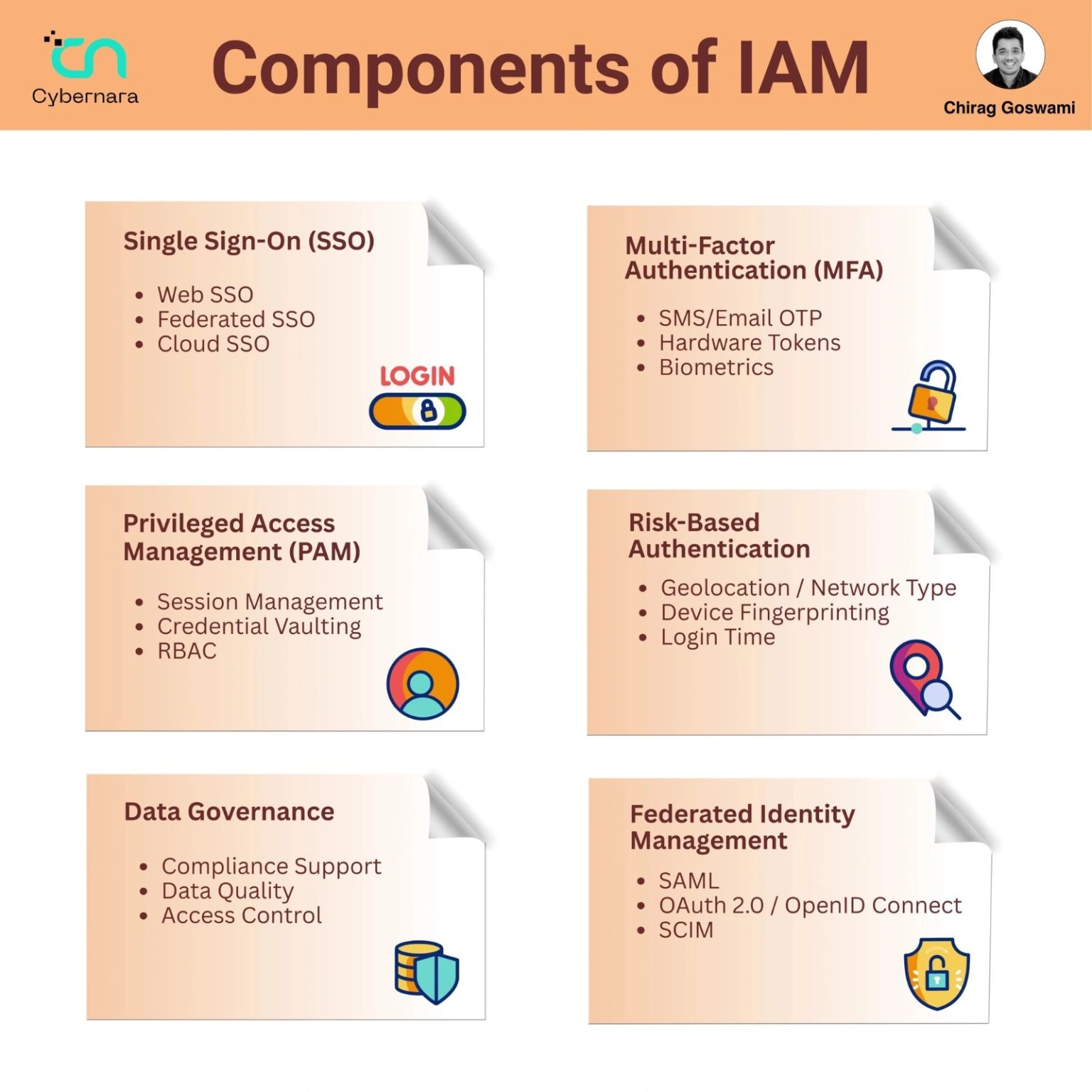
In a recent LinkedIn post, Chirag Goswami breaks down the fundamental differences between symmetric and asymmetric encryption, clarifying how these distinct methods work and why understanding their application is crucial for robust security design. Goswami emphasizes that encryption is not a monolithic concept but rather involves two primary approaches, often used in tandem.
Understanding Symmetric Encryption
Goswami begins by explaining symmetric encryption, a method that utilizes a single key for both encrypting and decrypting data. This approach is lauded for its speed and efficiency, making it particularly suitable for large-scale operations.
“It’s fast and efficient, which makes it ideal for: Encrypting files, Protecting databases, Securing stored PII.”
As Chirag Goswami notes, the primary challenge with symmetric encryption lies in the secure distribution of this single key. “Both sides need access to the same secret key,” he points out, highlighting the inherent difficulty in managing and sharing this secret without compromising security.
The Role of Asymmetric Encryption
Transitioning to the second main type, Goswami introduces asymmetric encryption, which employs a pair of keys: a public key for encryption and a private key for decryption. While acknowledging its slower processing speed compared to its symmetric counterpart, Goswami underscores its critical function in secure key exchange.
According to Goswami, this method is prominently observed in protocols like TLS (Transport Layer Security) during the initial handshake process when a web browser establishes a secure connection with a website. This allows for the secure establishment of a shared secret before the more intensive data transfer begins.
Synergy in Real-World Systems
A key insight from Chirag Goswami’s post is how these two encryption methods often collaborate in practical applications. He explains that asymmetric encryption is frequently used as an initial step to securely exchange a session key, which is then used for the bulk of the data transfer via the faster symmetric encryption.
“Asymmetric encryption securely exchanges a session key. Symmetric encryption then handles the actual data transfer because it’s faster.”
This hybrid approach, as Goswami highlights, leverages the strengths of both methods – the secure key establishment of asymmetric encryption and the high performance of symmetric encryption.
The Importance of Strategic Implementation
Concluding his analysis, Goswami stresses the strategic importance of choosing the appropriate encryption method for specific use cases. “Choosing the right method impacts performance, scalability, and security design,” he argues.
“Encryption isn’t just about “turning it on.” It’s about using the right approach in the right place.”
In Chirag Goswami’s view, a nuanced understanding of both symmetric and asymmetric encryption is essential for IT professionals and organizations aiming to build effective and secure systems. It moves beyond a superficial understanding to a practical application of cryptographic principles tailored to specific needs.
📝 About This Content
This article is based on insights shared by Chirag Goswami on LinkedIn.
📅 Originally posted on May 3, 2026 | View original post on LinkedIn →