
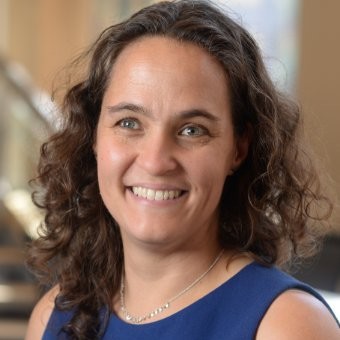
In a recent LinkedIn post, Teresa Torres discusses the pervasive challenge of the “infinite workday” and introduces a potential solution for product teams struggling with constant context switching and overwhelming follow-up tasks. Torres highlights the difficulty of achieving deep work amidst a barrage of meetings and digital communication, a phenomenon Microsoft Research has termed the “infinite workday.”
According to Torres, the modern work environment often leads to a state where deep, focused work becomes an elusive goal. She elaborates on the struggle, stating:
“Microsoft Research calls it the infinite workday: back-to-back meetings, constant context switching, different deliverables for every audience. Deep work feels impossible. By the time you get home, Slack pings are still coming at 10pm.”
The Struggle for Deep Work
Torres points out that the relentless pace of modern professional life, characterized by continuous meetings and the need to switch between various tasks and deliverables, significantly hinders the ability to engage in deep work. This constant fragmentation of attention, she argues, leaves professionals drained and unable to focus on high-impact activities. The inability to disconnect, even after traditional work hours, further exacerbates this issue, as indicated by the persistent notifications that continue to arrive late into the evening.
Introducing Earmark as a Solution
In response to this widespread problem, Torres introduces Earmark, a productivity suite designed to alleviate the burden of manual follow-up and documentation. The core functionality of Earmark, as described by Torres, involves actively listening to meetings and transforming conversations into actionable outputs in real-time.
Torres explains the value proposition of this new tool:
“Earmark is building a productivity suite that listens to your meetings and turns conversations into finished specs, tickets, and next steps in real time—so product teams can skip the manual follow-up and actually move forward.”
This capability, according to Torres, aims to free up valuable time for product teams. By automating the process of generating meeting summaries, specifications, and task assignments, Earmark seeks to eliminate the time-consuming and often error-prone manual follow-up that typically consumes a significant portion of a team’s productive capacity.
Moving Forward with Automation
Torres’s post suggests that tools like Earmark represent a significant shift in how teams can manage their workflow and combat the “infinite workday.” The emphasis is on enabling teams to “actually move forward” by reducing the overhead associated with communication and task management. This approach, she implies, allows for a greater focus on strategic objectives and core product development rather than getting bogged down in administrative tasks.
The implications of such technology, as highlighted by Torres, extend to fostering a more sustainable work-life balance by reducing the need for constant vigilance and late-night catch-ups. As Teresa Torres suggests, the goal is to reclaim time and mental energy, allowing professionals to engage more deeply with their work and potentially disconnect more effectively at the end of the day.
Torres also shared links to a full episode discussing these topics further, available on Spotify, Apple Podcasts, and YouTube, indicating a deeper dive into the strategies and tools for overcoming workplace productivity challenges.
📝 About This Content
This article is based on insights shared by Teresa Torres on LinkedIn.
📅 Originally posted on February 6, 2026 | View original post on LinkedIn →