
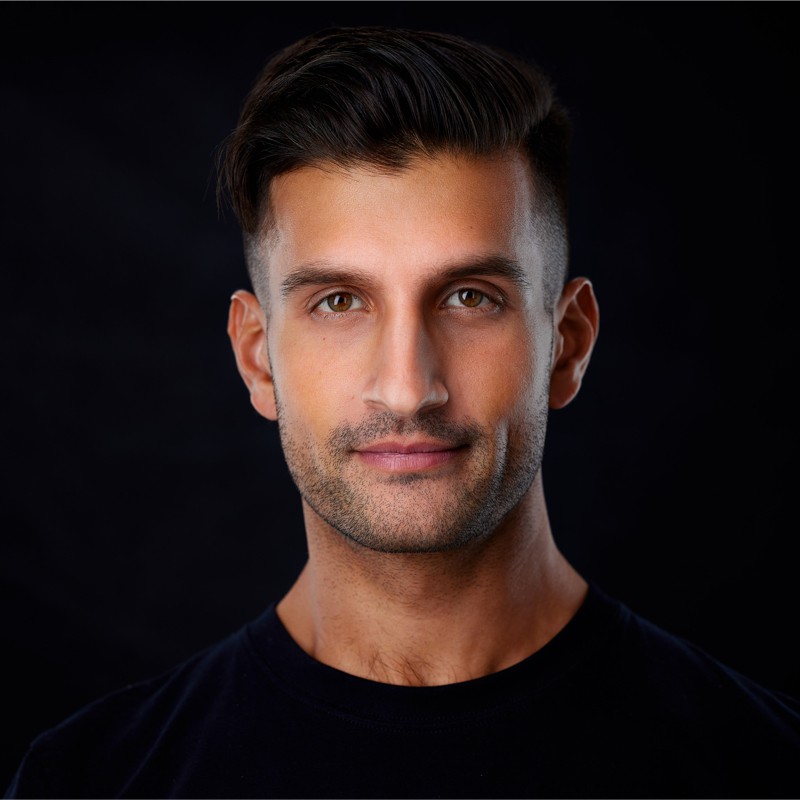
In a recent LinkedIn post, Sahil Bloom discusses a profound insight shared by the world’s number one golfer, Scottie Scheffler, regarding the nature of happiness and success. Bloom highlights Scheffler’s admission that winning major championships no longer brings him the fulfillment he once expected. This observation, Bloom argues, points to a broader psychological phenomenon he terms the “Arrival Fallacy.”
The Arrival Fallacy: A Trap of Expectations
Sahil Bloom explains that the Arrival Fallacy is the “false belief that reaching your goal will create lasting satisfaction.” He illustrates this with common self-talk many people experience:
“When I make six figures, then I’ll be happy”
“Once I get promoted, then I’ll feel successful”
“If I lose 20 pounds, then I’ll feel confident”
According to Bloom, the pattern is consistent: individuals achieve a long-sought-after goal, experience a temporary sense of accomplishment, and then find themselves resetting their sights on the “next mountain.” This cycle, he suggests, prevents genuine, lasting contentment.
The Wisdom of “Becoming” Over “Having”
To underscore his point, Sahil Bloom references a poignant scene from the movie *Cool Runnings*, where a coach tells his star athlete, “A gold medal is a wonderful thing, but if you’re not enough without it, you’ll never be enough with it.” Bloom emphasizes this quote, urging readers to internalize its message.
“The truth nobody wants to hear: Happiness isn’t at the top of the mountain. It’s not in the having. It’s in the becoming.”
In Bloom’s view, the real source of enduring satisfaction lies not in the attainment of external goals, but in the internal process of personal growth and development. He suggests that the journey of self-improvement, the development of character, and the cultivation of the necessary skills and mindset to achieve goals are where true fulfillment resides.
Shifting Focus: From Goal Achievement to Personal Growth
Sahil Bloom proposes a practical exercise for his audience: identify a significant goal that is believed to bring happiness, and then pivot the focus. Instead of concentrating solely on the outcome, Bloom encourages readers to ask themselves:
The Crucial Question
“Who will I need to become to achieve this?”
By focusing on the process of “becoming” – developing the traits, discipline, and resilience required – individuals can cultivate a more sustainable sense of purpose and happiness. Bloom concludes that the person one becomes through the pursuit of goals is the ultimate and only prize that can be kept permanently.
“Because the person you become is the only prize you get to keep.”
Bloom’s analysis, drawing from observations of top athletes and popular culture, provides a compelling argument for prioritizing personal development over the mere achievement of external milestones.
📝 About This Content
This article is based on insights shared by Sahil Bloom on LinkedIn.
📅 Originally posted on November 24, 2025 | View original post on LinkedIn →