
In a recent LinkedIn post, 🌀 Luca Rossi explores the nuanced effectiveness of generative AI in project management, cautioning against its potential pitfalls while highlighting a structured approach for optimal results.
Rossi begins by acknowledging the power of AI in project planning and execution but immediately points out a significant caveat: without proper guidance, AI can lead to inefficiency and wasted effort. The key, according to Rossi, lies not just in good prompting but in a well-defined prompting workflow.
“The difference between a successful and an unsuccessful output often lies in good prompting, and, even more, in your prompting workflow.”
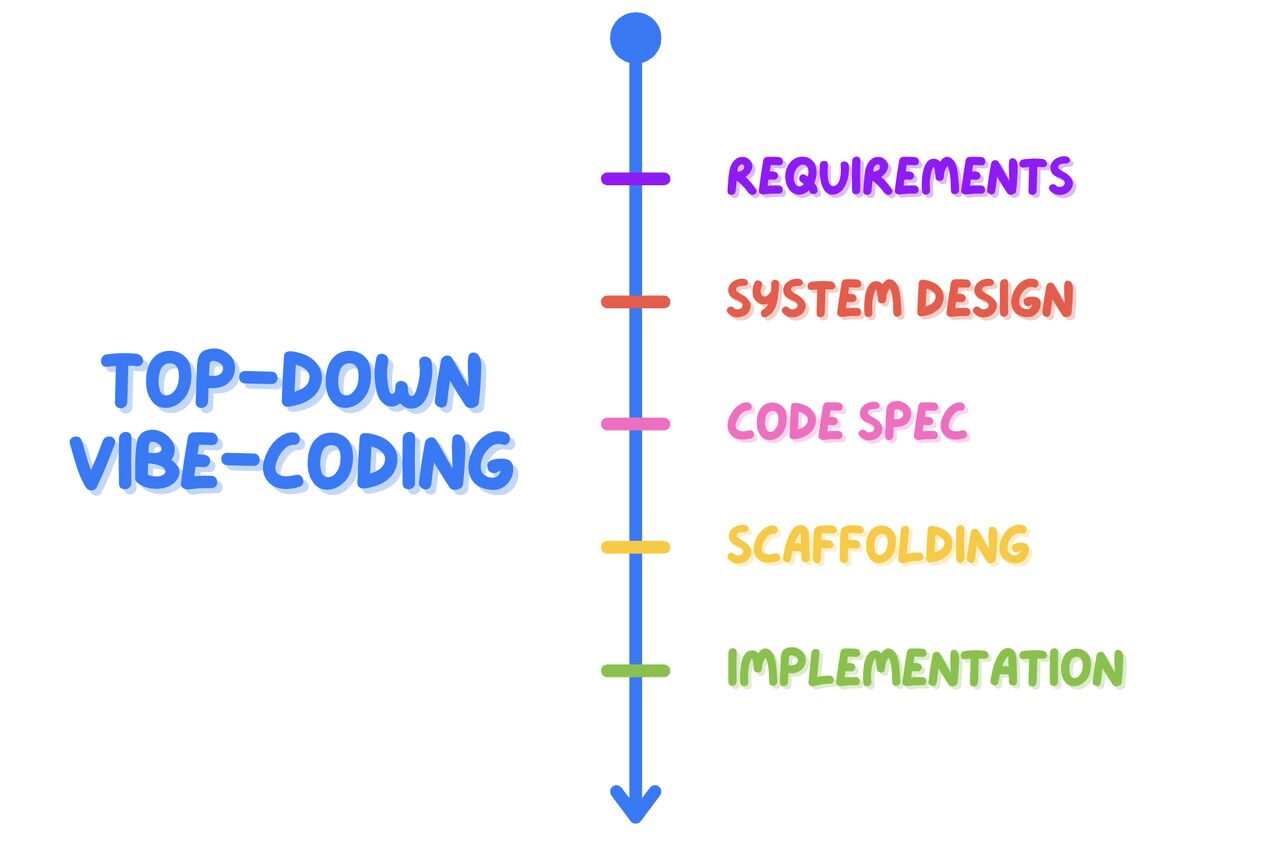
As 🌀 Luca Rossi elaborates, the most effective method for new developments, such as features or entire small projects, is a top-down interaction. This involves a series of steps that guide the AI from broad requirements to specific code implementation.
The Top-Down Approach: A Cognitive Advantage
🌀 Luca Rossi advocates for a structured, top-down methodology, starting with a discussion of work requirements. This process gradually refines the scope, leading to high-level system design, detailed code specifications, scaffolding for classes and functions, and ultimately, the fully coded version.
This iterative, top-down process is crucial for maintaining human engagement. Rossi argues that it optimizes cognitive load, allowing project stakeholders to identify and rectify errors at the appropriate stage of development.
“Working top-down is incredibly helpful in keeping us — humans — engaged in the work.”
According to Rossi, the fundamental principles of designing software remain consistent, whether AI is involved or not. The primary objective is to avoid costly revisions late in the development cycle.
“You just don’t want to rectify system design elements, or requirements misunderstandings, by the time you already have the full code — regardless of whether it was written by a human or an AI.”
This perspective contrasts sharply with what Rossi observes in many online examples of AI implementation, often referred to as “vibe-coding.” These examples tend to dive directly into code generation without a clear, structured workflow, which can be overwhelming and error-prone for human developers.
Avoiding the Pitfalls of Code-First AI
🌀 Luca Rossi’s analysis underscores the danger of a code-first approach when integrating AI into project development. He points out that many readily available examples online adopt this strategy, leading to potential inefficiencies.
The Risk of Overwhelm and Errors
In Rossi’s view, diving straight into AI-generated code without a preceding design and specification phase is a recipe for disaster. This method is not only more likely to result in errors but also significantly increases the cognitive burden on the individuals managing the project.
The top-down workflow, as championed by Rossi, offers a clear alternative. By establishing requirements and design principles first, teams can leverage AI more effectively, ensuring that the generated code aligns with the project’s overall goals and architecture. This structured method, Rossi suggests, is key to harnessing the full potential of generative AI in a productive and efficient manner.
📝 About This Content
This article is based on insights shared by 🌀 Luca Rossi on LinkedIn.
📅 Originally posted on September 12, 2026 | View original post on LinkedIn →