
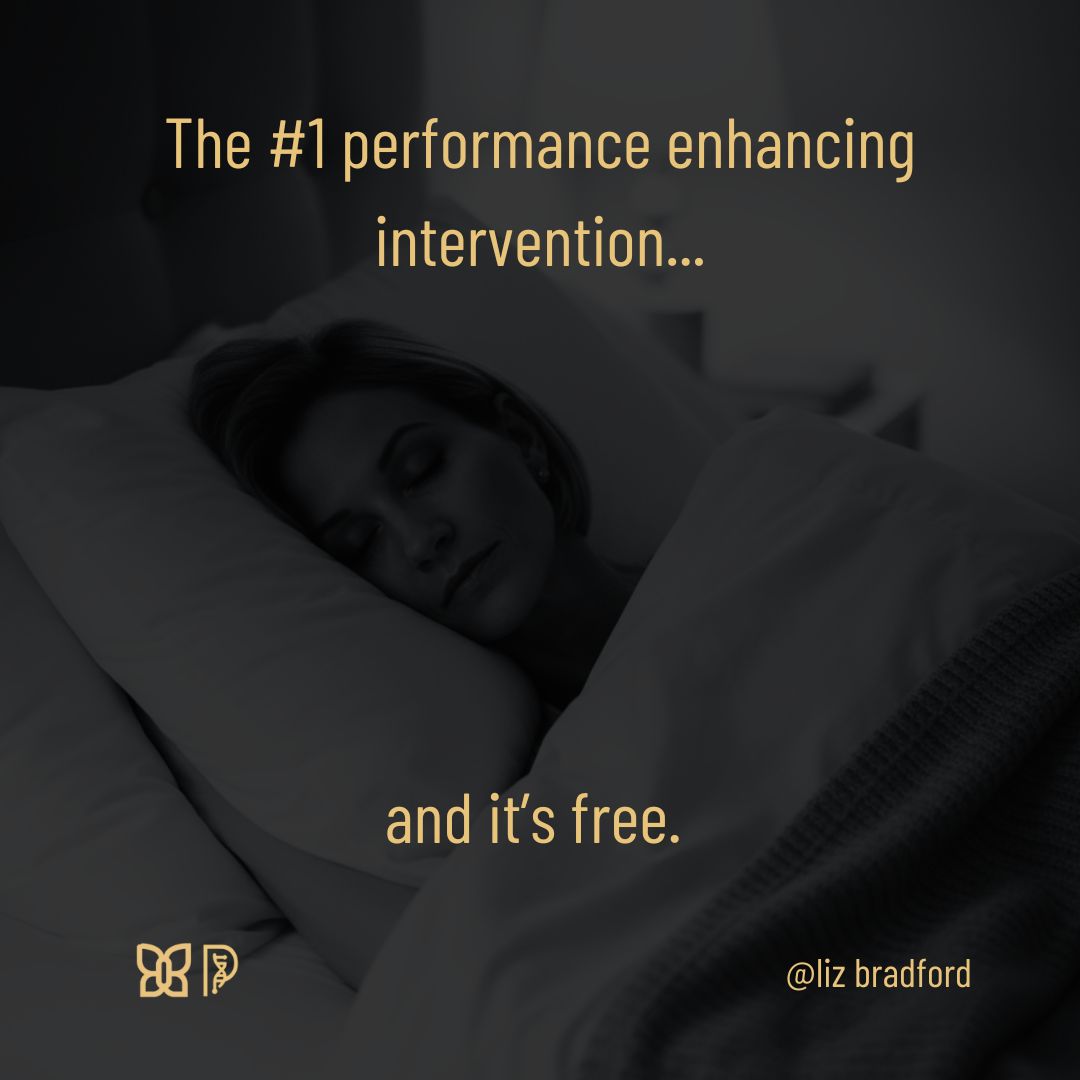
In the relentless pursuit of peak performance, many high-achievers fall into a dangerous trap: bragging about minimal sleep. I once considered sleeping only four hours a night a badge of honor. However, this mindset is fundamentally flawed and detrimental to our cognitive health. The reality is, skimping on sleep doesn’t make you a hero; it means your brain is literally drowning in its own waste.
Our brain possesses a remarkable, yet often overlooked, system: the glymphatic system. This is your brain’s dedicated overnight cleaning crew. During the crucial stages of deep sleep, it diligently works to clear out metabolic toxins and waste products that accumulate throughout the day. Disturbingly, some of these accumulated proteins are the same ones linked to devastating neurodegenerative diseases like Alzheimer’s and general cognitive decline.
The Cortisol Connection: How Stress Sabotages Sleep and Clarity
The modern executive often operates under chronic stress, which leads to elevated cortisol levels. This stress hormone doesn’t just make you feel anxious; it actively fragments your sleep architecture. When sleep is disrupted and non-restorative, the glymphatic system’s cleaning process is significantly impaired. The consequences are tangible and directly impact leadership effectiveness:
- Brain Fog: A pervasive feeling of mental cloudiness that hinders clear thinking.
- Poor Decision-Making: Impaired judgment and an increased likelihood of making suboptimal choices.
- Emotional Volatility: Difficulty managing emotions, leading to unpredictable reactions and strained relationships.
Real-World Impact: A Case Study in Executive Performance
I’ve recently worked with three high-performing executives who exemplified this challenge. They had meticulously optimized every facet of their professional lives – from productivity hacks to strategic planning – yet neglected the foundational pillar of sleep. Their leadership capabilities were demonstrably suffering, but they struggled to recognize the root cause. Their cognitive and emotional resilience was compromised, directly impacting their teams and their own well-being.
The Three Pillars of Restorative Sleep for Peak Performance
To address this, we implemented a targeted, three-pronged approach focused on improving sleep quality:
1. Consistent Sleep Schedules
Establishing a regular sleep-wake cycle is paramount. This means going to bed and waking up around the same time every day, including weekends. Consistency reinforces the body’s natural circadian rhythms.
2. Digital Detox Before Bed
Eliminating screen time for at least 60 minutes before intending to sleep is crucial. The blue light emitted from devices suppresses melatonin production, making it harder to fall asleep and reducing sleep quality.
3. Optimal Bedroom Environment
Maintaining a cool bedroom temperature, ideally between 16-19°C (60-67°F), significantly aids in falling asleep and staying asleep. A cool environment signals to the body that it’s time to rest.
The Results: A Sharper Mind, Better Regulation
Within just three weeks of implementing these changes, all three executives reported a noticeable improvement. They experienced sharper thinking, enhanced cognitive function, and significantly better emotional regulation. This underscores the profound impact of prioritizing sleep on overall performance and well-being.
Your 7-Day Sleep Challenge
I challenge you to undertake a similar sleep optimization effort:
- Track Your Sleep: For seven days, meticulously record your sleep onset time (when you fall asleep) and your wake time.
- Strive for Consistency: Aim to keep your sleep and wake times within a 30-minute window each day.
- Observe the Difference: Pay close attention to your cognitive clarity, mood, and overall energy levels throughout the day.
Sleep is not a luxury; it is the most potent, accessible performance-enhancing intervention available to all of us. It’s the bedrock upon which sustainable high performance is built.
This critical topic is the focus of the very first episode of the “ROI of Health” podcast with Carolina Ramuski, dropping this Friday. Be sure to tune in!
This article was inspired by insights shared by Liz Bradford on LinkedIn.
📝 About This Content
This article is based on insights shared by Liz Bradford on LinkedIn.
📅 Originally posted on October 15, 2025 | View original post on LinkedIn →